

Can horn antennas be used in underwater communication?
Leave a message

Hey there! I'm a supplier of Horn Antennas, and I often get asked if these nifty devices can be used for underwater communication. It's a super interesting question, and in this blog, I'm gonna dive deep (pun intended) into the topic to give you all the deets.
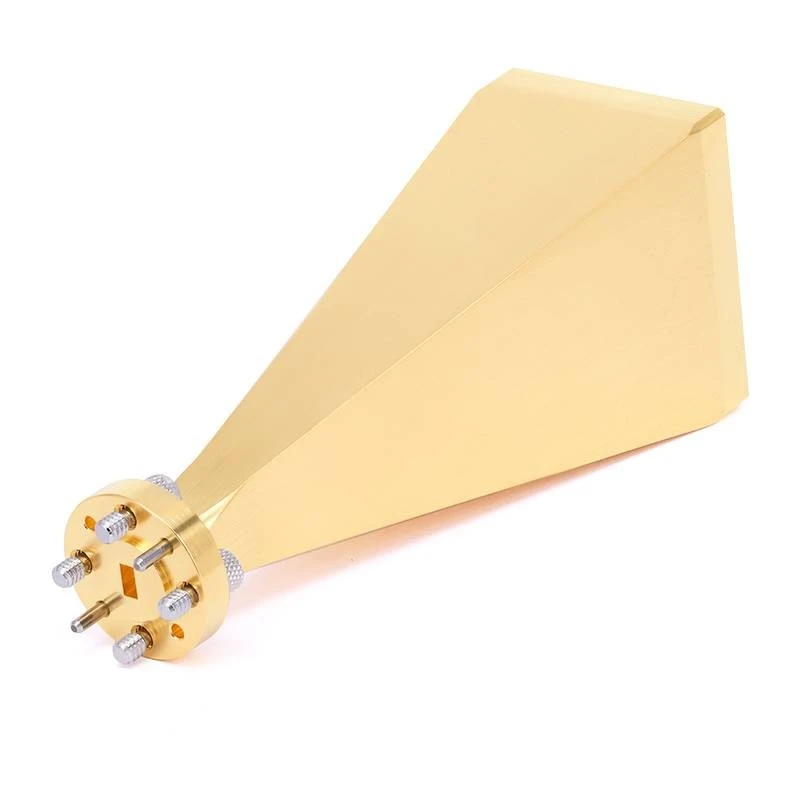
First off, let's talk a bit about what horn antennas are. Horn antennas are basically a type of antenna that flares out in a horn - like shape. They're pretty popular in a bunch of applications, from radar systems to satellite communication. They're known for their high gain, which means they can send and receive signals more effectively over long distances. And they've got a relatively wide bandwidth, which is great for transmitting a lot of data.
Now, when it comes to underwater communication, things get a bit more complicated. Underwater is a whole different ballgame compared to the air or space where horn antennas are commonly used. The main reason is the properties of water. Water is a much denser medium than air, and it has some unique electrical properties that can really mess with electromagnetic waves.
Electromagnetic waves, which are what horn antennas use to transmit and receive signals, don't travel very well in water. Water is a good conductor of electricity, and it absorbs electromagnetic waves pretty quickly. The higher the frequency of the wave, the faster it gets absorbed. This is a major problem because horn antennas typically operate at higher frequencies to achieve that high gain and wide bandwidth.
For example, in the air, a horn antenna can send a signal over a long distance without much loss. But in water, the signal strength drops off rapidly, and you might only be able to get a few meters or even less of range. So, at first glance, it seems like horn antennas might not be the best choice for underwater communication.
But wait, it's not all doom and gloom. There are some scenarios where horn antennas could potentially be used underwater. One option is to use them at lower frequencies. While lower frequencies have lower gain and bandwidth compared to higher frequencies, they can travel further in water. So, if you're willing to sacrifice some performance in terms of data rate and signal strength, you could use a horn antenna at a lower frequency for underwater communication.
Another thing to consider is the type of underwater communication you're trying to do. If it's just short - range communication, like between two sensors that are only a few meters apart, a horn antenna might work. In these short - range scenarios, the signal loss due to water absorption might not be as much of an issue.
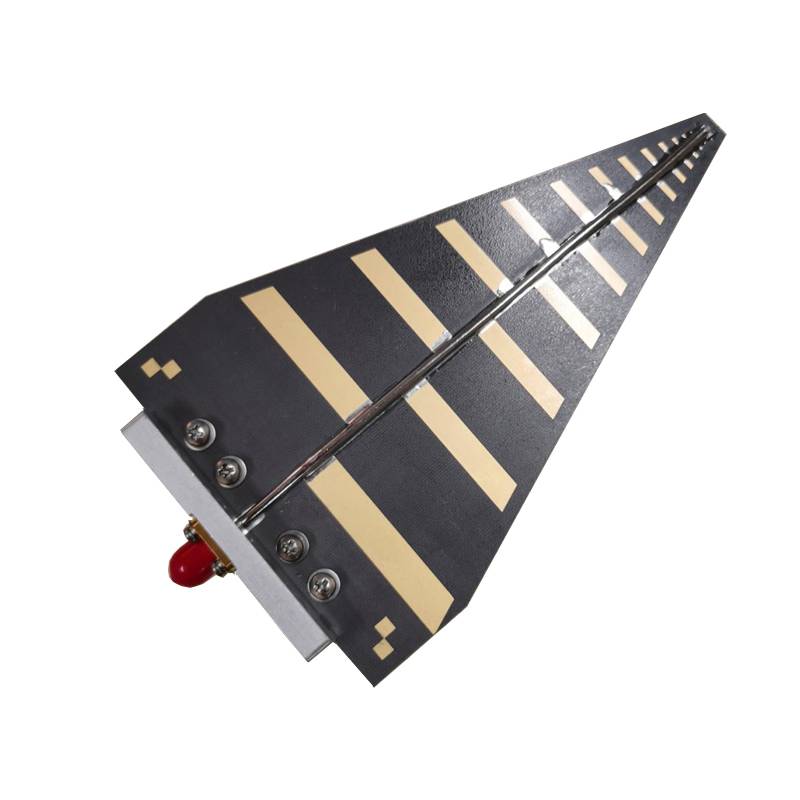
Let's also compare horn antennas with other types of antennas that are commonly used for underwater communication. One popular alternative is Log - periodic Antennas. Log - periodic antennas have a different design that allows them to operate over a wide range of frequencies. They're often used in situations where you need to cover multiple frequency bands.
Log - periodic antennas can be more flexible than horn antennas when it comes to underwater communication. They can be tuned to different frequencies depending on the specific requirements of the underwater environment. However, they might not have the same high gain as horn antennas at a particular frequency.
So, in summary, horn antennas can potentially be used for underwater communication, but it really depends on the specific situation. If you need long - range, high - data - rate communication, they might not be the best choice due to the high signal loss in water. But for short - range applications or if you can operate at lower frequencies, they could be a viable option.
If you're in the market for antennas for underwater communication or any other application, and you're considering horn antennas, I'd love to have a chat with you. I've got a lot of experience in the antenna business, and I can help you figure out if horn antennas are the right fit for your needs. Whether it's understanding the technical details or getting the best deal on high - quality horn antennas, I'm here to assist. Just reach out, and we can start the conversation about your antenna requirements.
References
- Johnson, R. C., & Jasik, H. (Eds.). (1984). Antenna engineering handbook. McGraw - Hill.
- Balanis, C. A. (2016). Antenna theory: analysis and design. John Wiley & Sons.


