
What are the packaging options for RF loads?
Leave a message

When it comes to RF (Radio Frequency) loads, choosing the right packaging option is crucial. As an RF loads supplier, I've seen firsthand how different packaging can impact the performance, durability, and usability of these essential components. In this blog post, I'll explore the various packaging options available for RF loads, providing insights to help you make an informed decision for your specific needs.
1. Connector Loads
One of the most common packaging options for RF loads is the connector load. Connector loads are designed to be directly connected to RF systems through standard connectors. They offer a convenient and straightforward way to terminate RF signals.
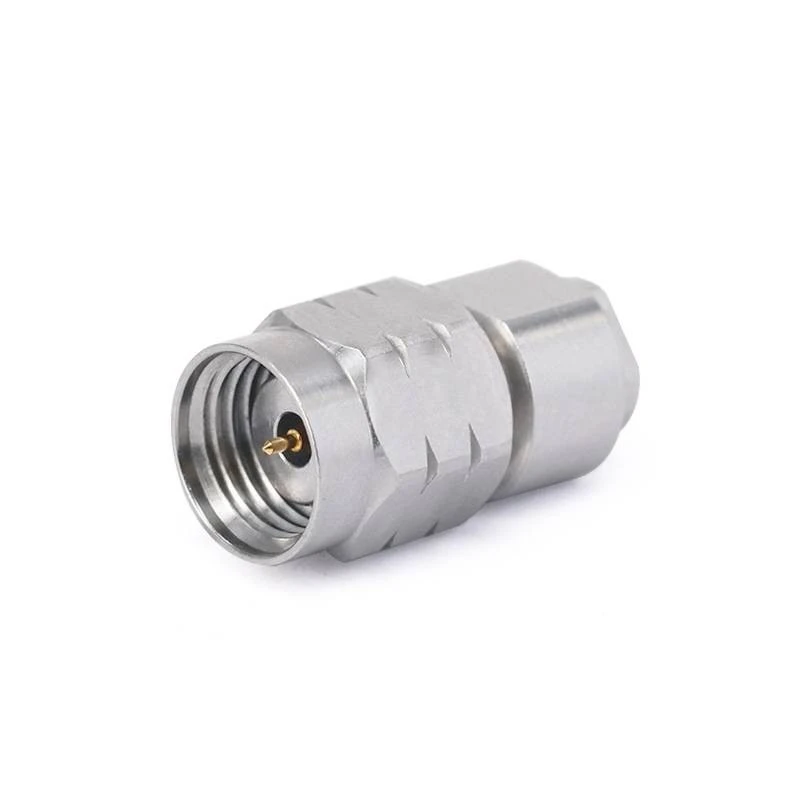

Connector Loads come in a wide range of connector types, such as SMA, N-type, BNC, and others. The choice of connector depends on the specific requirements of your RF system, including the frequency range, power handling capacity, and impedance. For example, SMA connectors are commonly used in high - frequency applications, while N - type connectors are known for their ability to handle higher power levels.
The advantage of connector loads is their ease of installation. They can be quickly attached to the RF ports of your equipment without the need for complex assembly. This makes them ideal for applications where rapid setup and teardown are required, such as in test and measurement scenarios. Additionally, connector loads are often compact in size, which is beneficial for space - constrained environments.
However, one potential drawback of connector loads is their susceptibility to mechanical stress. Since they are directly connected to the RF system, any physical movement or vibration can potentially damage the connector or the load itself. Therefore, it's important to ensure proper installation and secure mounting to minimize the risk of damage.
2. Surface - Mount Loads
Surface - mount loads are another popular packaging option, especially in modern RF circuit design. These loads are designed to be mounted directly onto printed circuit boards (PCBs) using surface - mount technology (SMT).
Surface - mount loads offer several advantages. Firstly, they are very small in size, which allows for high - density integration on PCBs. This is particularly important in applications such as mobile devices, where space is at a premium. Secondly, they are well - suited for automated assembly processes, which can significantly reduce production costs and increase manufacturing efficiency.
The electrical performance of surface - mount loads is also excellent. They can provide low insertion loss and high return loss, ensuring accurate signal termination. However, surface - mount loads require specialized equipment for installation, and any rework or replacement can be more challenging compared to connector loads. Additionally, they may have limitations in terms of power handling capacity due to their small size.
3. Coaxial Loads
Coaxial loads are designed to work with coaxial cables. They are typically used in applications where the RF signal is transmitted through coaxial cables, such as in telecommunications, broadcast, and radar systems.
Coaxial loads offer high power handling capabilities and excellent electrical performance over a wide frequency range. They are often constructed with a coaxial structure, which provides good shielding and minimizes electromagnetic interference (EMI). This makes them suitable for applications where signal integrity is critical.
The installation of coaxial loads usually involves connecting them to the coaxial cables using appropriate connectors. They can be either fixed or adjustable, depending on the specific requirements. Fixed coaxial loads have a pre - determined impedance and power rating, while adjustable coaxial loads allow for some degree of flexibility in terms of impedance matching.
However, coaxial loads can be relatively large and heavy compared to other packaging options. This may pose challenges in applications where space and weight are restricted.
4. Terminated Cables
Terminated cables are a convenient packaging option that combines the cable and the RF load into a single unit. These cables are pre - terminated with RF loads at one or both ends, eliminating the need for separate connectors and load installation.
Terminated cables are easy to use and can save time during the installation process. They are commonly used in test and measurement setups, as well as in some communication systems. They can also provide a more reliable connection compared to using separate connectors and loads, as the termination is factory - made and optimized for performance.
One limitation of terminated cables is their limited flexibility in terms of cable length and load characteristics. Once the cable is manufactured, it may be difficult to change the length or the load impedance without replacing the entire cable.
5. Rack - Mount Loads
For larger RF systems, rack - mount loads are a suitable packaging option. Rack - mount loads are designed to be installed in standard equipment racks, providing a centralized and organized solution for RF signal termination.
Rack - mount loads can handle high power levels and are often used in applications such as RF power amplifiers, base stations, and RF test laboratories. They usually come with multiple load channels, allowing for simultaneous termination of multiple RF signals. This makes them ideal for applications where multiple RF sources need to be terminated.
The advantage of rack - mount loads is their scalability and ease of maintenance. They can be easily integrated into existing rack - based systems, and any servicing or replacement can be carried out without disturbing the entire system. However, rack - mount loads are relatively large and require dedicated rack space, which may not be suitable for small - scale applications.
Factors to Consider When Choosing Packaging Options
When selecting the appropriate packaging option for RF loads, several factors need to be considered:
- Frequency Range: Different packaging options may have different frequency response characteristics. It's important to choose a packaging option that can provide the required performance within the operating frequency range of your RF system.
- Power Handling Capacity: The power handling capacity of the load is a critical factor, especially in high - power applications. Make sure the chosen packaging option can handle the maximum power levels that your RF system will generate.
- Impedance Matching: Proper impedance matching is essential for minimizing signal reflection and ensuring efficient power transfer. The packaging option should be compatible with the impedance requirements of your RF system.
- Size and Space Constraints: Consider the available space in your application. If space is limited, options like surface - mount loads or connector loads may be more suitable. For larger systems, rack - mount loads may be a better choice.
- Installation and Maintenance: Ease of installation and maintenance is also an important consideration. Some packaging options, such as connector loads and terminated cables, are relatively easy to install, while others may require specialized equipment or skills.
Conclusion
As an RF loads supplier, I understand that choosing the right packaging option is a crucial decision that can significantly impact the performance and reliability of your RF system. Each packaging option has its own advantages and limitations, and the choice depends on a variety of factors, including frequency range, power handling capacity, size, and installation requirements.
Whether you need a compact surface - mount load for a mobile device, a high - power coaxial load for a radar system, or a rack - mount load for a large - scale RF test laboratory, we have the expertise and the product range to meet your needs. If you're interested in our RF loads or need more information about the packaging options, I encourage you to contact us for a detailed discussion and to explore the best solutions for your specific application. Our team of experts is ready to assist you in making the right choice and ensuring the success of your RF projects.
References
- Pozar, D. M. (2011). Microwave Engineering (4th ed.). Wiley.
- Collin, R. E. (2001). Foundations for Microwave Engineering (2nd ed.). Wiley.


