

What are the regulatory requirements for RF switches in medical applications?
Leave a message

Hey there! As a supplier of RF switches, I've been getting a lot of questions lately about the regulatory requirements for RF switches in medical applications. So, I thought I'd take a moment to share what I've learned and help clear up any confusion.
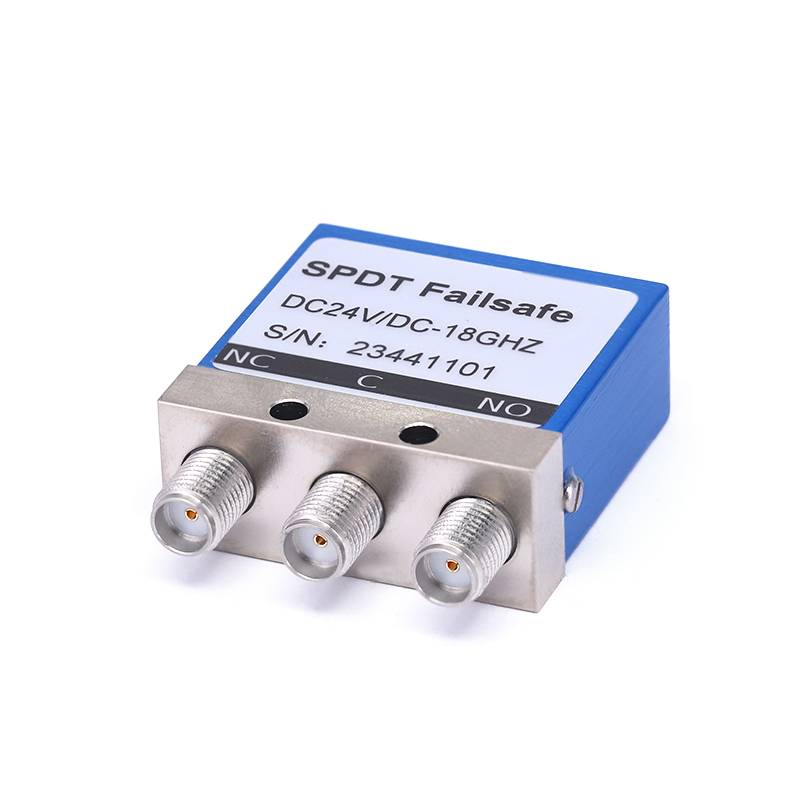

First off, let's talk about why regulatory requirements are so important in the medical field. Medical devices are used to diagnose, treat, and monitor patients, so it's crucial that they meet strict safety and performance standards. RF switches play a vital role in many medical devices, such as MRI machines, ultrasound equipment, and wireless medical sensors. These switches are responsible for controlling the flow of radio frequency signals, ensuring accurate and reliable operation of the devices.
Now, let's dive into the specific regulatory requirements for RF switches in medical applications. One of the most important regulatory bodies in the United States is the Food and Drug Administration (FDA). The FDA regulates medical devices to ensure their safety and effectiveness. RF switches used in medical devices must comply with the FDA's Quality System Regulation (QSR), which outlines the requirements for design, development, manufacturing, and quality control of medical devices.
In addition to the QSR, RF switches may also need to comply with specific standards and regulations depending on the type of medical application. For example, RF switches used in MRI machines must meet the requirements of the International Electrotechnical Commission (IEC) 60601-1 standard, which addresses the safety and essential performance of medical electrical equipment. This standard includes requirements for electrical safety, electromagnetic compatibility (EMC), and mechanical safety.
Another important aspect of regulatory compliance is EMC. RF switches can generate electromagnetic interference (EMI), which can interfere with the operation of other medical devices or cause safety hazards. To ensure EMC compliance, RF switches must meet the requirements of standards such as the IEC 60601-1-2 standard, which addresses the EMC requirements for medical electrical equipment. This standard includes requirements for radiated and conducted emissions, as well as immunity to electromagnetic disturbances.
When it comes to choosing RF switches for medical applications, it's important to work with a supplier who understands the regulatory requirements and can provide switches that meet these standards. At our company, we have extensive experience in developing and manufacturing RF switches for medical applications. We work closely with our customers to understand their specific requirements and ensure that our switches meet all the necessary regulatory standards.
One of the key factors in regulatory compliance is the design and manufacturing process. Our RF switches are designed using advanced simulation tools to ensure optimal performance and EMC compliance. We also use high-quality materials and manufacturing processes to ensure the reliability and durability of our switches. In addition, we have a rigorous quality control system in place to ensure that every switch we produce meets our strict quality standards.
Another important aspect of regulatory compliance is documentation. When supplying RF switches for medical applications, it's important to provide detailed documentation to support the regulatory compliance of the switches. This documentation may include test reports, certificates of compliance, and technical specifications. At our company, we provide comprehensive documentation for all our RF switches, making it easy for our customers to demonstrate regulatory compliance.
Now, let's take a look at some of the different types of RF switches that are commonly used in medical applications. There are several types of RF switches available, each with its own unique characteristics and advantages. You can learn more about the different types of RF switches on our website: RF Switches Types.
One of the most common types of RF switches is the PIN diode switch. PIN diode switches are known for their fast switching speed, low insertion loss, and high isolation. They are commonly used in applications where high-speed switching is required, such as in MRI machines and wireless medical sensors.
Another type of RF switch is the MEMS switch. MEMS switches are microelectromechanical systems that use tiny mechanical structures to switch RF signals. They offer several advantages over traditional PIN diode switches, including lower power consumption, higher isolation, and better linearity. MEMS switches are becoming increasingly popular in medical applications, especially in portable and battery-powered devices.
In addition to PIN diode switches and MEMS switches, there are also other types of RF switches available, such as FET switches and electromechanical switches. Each type of switch has its own unique characteristics and advantages, and the choice of switch will depend on the specific requirements of the medical application.
So, there you have it! A brief overview of the regulatory requirements for RF switches in medical applications. As a supplier of RF switches, we understand the importance of regulatory compliance and are committed to providing our customers with high-quality switches that meet all the necessary standards. If you're in the market for RF switches for medical applications, we'd love to hear from you. Please contact us to discuss your specific requirements and learn more about our products and services.
References
- Food and Drug Administration (FDA). Quality System Regulation (QSR).
- International Electrotechnical Commission (IEC). IEC 60601-1: Safety and essential performance of medical electrical equipment.
- International Electrotechnical Commission (IEC). IEC 60601-1-2: Electromagnetic compatibility requirements for medical electrical equipment.


