

What are the RF attenuators for RF mixer testing applications?
Leave a message

RF mixers are crucial components in many RF and microwave systems, used for frequency conversion. When it comes to testing these RF mixers, RF attenuators play a vital role. As an RF attenuators supplier, I've got a good understanding of how these attenuators are used in RF mixer testing applications.
First off, let's talk about what RF attenuators are. Simply put, they're devices that reduce the power of an RF signal without significantly distorting its waveform. They're like the volume knobs for RF signals. You can adjust how much the signal gets weakened, and this feature is super useful in RF mixer testing.
One of the main reasons we use RF attenuators in RF mixer testing is to simulate real - world conditions. In actual RF systems, signals can travel through different mediums, encounter various obstacles, and lose power along the way. By using attenuators, we can mimic these power losses in a controlled environment. For example, if a signal is expected to lose a certain amount of power when traveling through a long cable in a real - world scenario, we can use an attenuator to reduce the input signal power to the RF mixer to match this situation. This helps us accurately evaluate how the RF mixer will perform under practical conditions.
Another important application is to prevent signal overload. RF mixers have a limited input power range. If the input signal is too strong, it can cause the mixer to saturate, leading to distorted output signals and inaccurate test results. RF attenuators act as a safeguard in this case. We can use them to bring the input signal power within the acceptable range of the RF mixer. For instance, if we're testing a mixer with a maximum input power of 10 dBm, but our signal source is outputting a 20 dBm signal, we can use an attenuator with a 10 dB attenuation to reduce the signal power to the appropriate level.
Now, let's take a look at some different types of RF attenuators that are commonly used in RF mixer testing.
SMA Attenuators
SMA (SubMiniature version A) attenuators are widely used in RF mixer testing. They're known for their compact size and excellent performance at high frequencies. SMA connectors are very common in RF and microwave systems, which makes SMA attenuators easy to integrate into existing test setups. You can find a wide range of SMA attenuators on our website SMA Attenuators. These attenuators come in different attenuation values, from a few dB to several tens of dB, allowing you to precisely control the signal power. They're also available in both fixed and variable attenuation options. Fixed SMA attenuators provide a constant attenuation value, which is great for simple and stable test scenarios. Variable SMA attenuators, on the other hand, allow you to adjust the attenuation value as needed during the testing process, giving you more flexibility.
2.92mm Attenuators
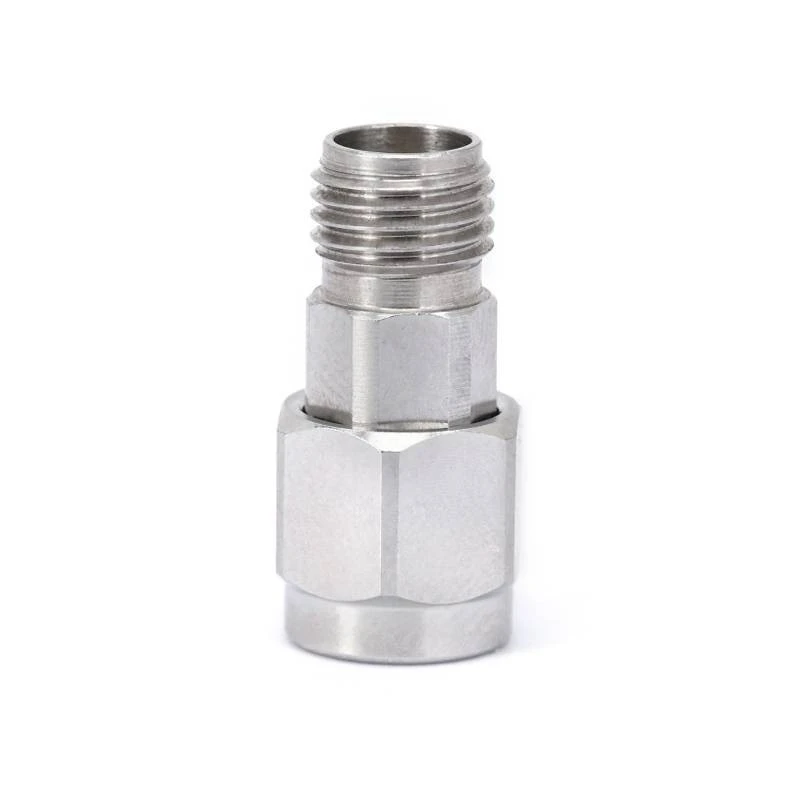
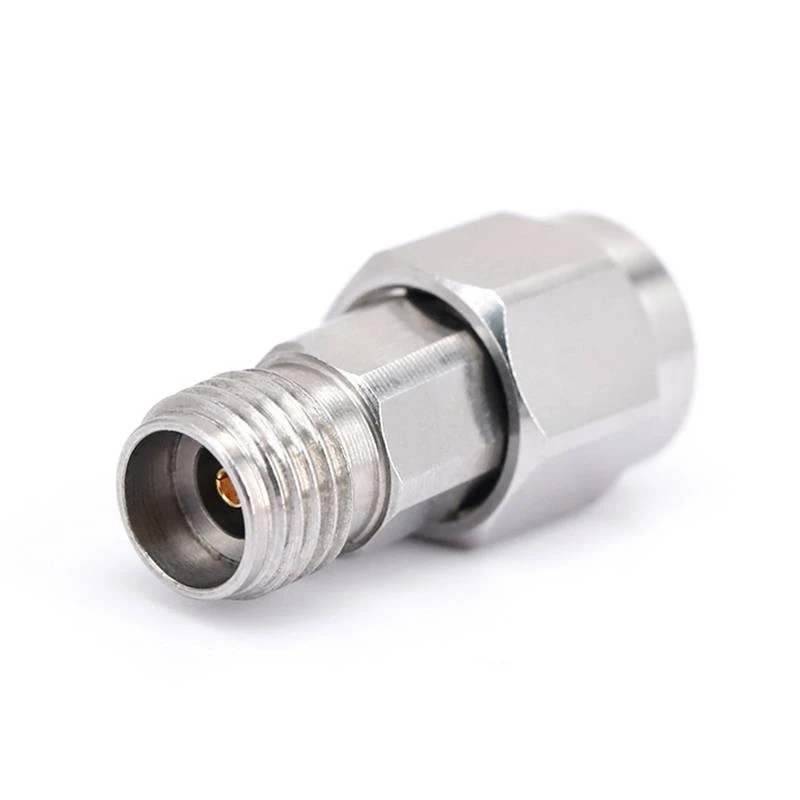
2.92mm attenuators, also known as K - type attenuators, are designed for high - frequency applications. They can operate at frequencies up to 40 GHz or even higher. In RF mixer testing, especially when dealing with high - frequency mixers, 2.92mm attenuators are often the go - to choice. Their low insertion loss and high - power handling capabilities make them suitable for accurately controlling the power of high - frequency signals. You can check out our selection of 2.92mm Attenuators on our website. These attenuators are built with high - quality materials and advanced manufacturing processes to ensure reliable performance in demanding test environments.
1.85mm Attenuators
For ultra - high - frequency RF mixer testing, 1.85mm attenuators are the best option. They can handle frequencies up to 67 GHz. These attenuators are designed to provide extremely low insertion loss and excellent return loss, which is crucial for accurate signal power control at such high frequencies. If you're working on cutting - edge RF mixer designs that operate at very high frequencies, you can find the right 1.85mm Attenuators on our website. They're engineered to meet the strict requirements of high - frequency testing applications.
When choosing an RF attenuator for RF mixer testing, there are several factors to consider. First, you need to think about the frequency range of your RF mixer. Make sure the attenuator you choose can operate within the same frequency range. Second, consider the attenuation value you need. This depends on the input power of your signal source and the acceptable input power range of the RF mixer. Third, think about the power handling capability of the attenuator. If your signal has a high power level, you need an attenuator that can handle it without getting damaged.
In addition to these technical factors, it's also important to choose a reliable supplier. As an RF attenuators supplier, we've been in the business for years. We offer high - quality attenuators that are tested and verified to meet strict performance standards. Our products are backed by excellent customer service. If you have any questions about which attenuator is right for your RF mixer testing application, our technical support team is always ready to help.
If you're in the market for RF attenuators for your RF mixer testing needs, we'd love to hear from you. Whether you're a research institution, a manufacturing company, or an individual enthusiast, we can provide you with the right attenuators at competitive prices. Contact us to start a discussion about your specific requirements, and let's work together to find the best solutions for your RF mixer testing applications.
References
- Pozar, D. M. (2011). Microwave Engineering (4th ed.). Wiley.
- Collin, R. E. (2001). Foundations for Microwave Engineering (2nd ed.). Wiley.


