
How to connect Coax Connectors properly?
Leave a message

As a trusted supplier of Coax Connectors, I understand the importance of proper connection in ensuring optimal performance and reliability of your RF systems. In this blog post, I'll share some in - depth knowledge and practical tips on how to connect Coax Connectors properly.
Understanding Coax Connectors
Before we dive into the connection process, it's essential to have a basic understanding of Coax Connectors. Coaxial connectors are used to join coaxial cables to other devices, such as antennas, transmitters, and receivers. They come in various types, each designed for specific applications and frequencies. Some common types include BNC, SMA, and N - type connectors.
Pre - connection Preparation
- Select the Right Connector
The first step in proper connection is to choose the correct Coax Connector for your application. Consider factors such as the frequency range, impedance, and the type of cable you are using. For example, if you are working with high - frequency applications, SMA connectors might be a better choice due to their excellent performance at frequencies up to 18 GHz. As a supplier, we offer a wide range of connectors, including End Launch Connectors, which are ideal for applications where space is limited and a low - profile connection is required. - Inspect the Connector and Cable
Before making the connection, carefully inspect both the Coax Connector and the coaxial cable. Check for any signs of damage, such as bent pins, cracked insulators, or frayed cables. A damaged connector or cable can lead to signal loss, interference, and even system failure. If you find any damage, replace the faulty component immediately. - Prepare the Cable
Proper cable preparation is crucial for a successful connection. Start by stripping the outer jacket of the coaxial cable to expose the inner conductor, dielectric, and shield. Use a cable stripper specifically designed for coaxial cables to ensure a clean and precise cut. The length of the exposed inner conductor and shield should match the requirements of the connector you are using.
Connection Process
- Insert the Cable into the Connector
Once the cable is prepared, insert it into the Coax Connector. Make sure the inner conductor is centered in the connector and that the shield makes good contact with the connector body. Some connectors may require you to solder the inner conductor and shield for a more secure connection. If soldering is required, use a high - quality soldering iron and solder with the appropriate melting point. - Tighten the Connector
After inserting the cable, tighten the connector onto the cable or the mating device. Use a torque wrench to ensure that the connector is tightened to the correct torque specification. Over - tightening can damage the connector or the cable, while under - tightening can result in a loose connection and signal loss. - Check the Connection
Once the connector is tightened, check the connection for proper alignment and continuity. You can use a multimeter to measure the resistance between the inner conductor and the shield. A low resistance reading indicates a good connection, while a high resistance reading may indicate a problem.
Special Considerations
- Environmental Factors
If the Coax Connector will be used in harsh environmental conditions, such as high humidity, extreme temperatures, or exposure to chemicals, choose a connector with appropriate environmental protection. For example, some connectors are designed with weather - resistant seals and coatings to prevent moisture and corrosion. - Field Replaceable Connectors
In some applications, it may be necessary to replace the connector in the field. Field Replaceable Connectors are a great option in these situations. They are designed to be easily installed and removed without the need for special tools or equipment. - Glass Beads in Connectors
Some Coax Connectors use Glass Beads as insulators. Glass beads offer several advantages, including high dielectric strength, low loss, and excellent temperature stability. When working with connectors that use glass beads, take extra care not to damage the glass beads during the connection process.
Troubleshooting
Even with proper preparation and connection, you may encounter some issues with your Coax Connector. Here are some common problems and their solutions:
- Signal Loss
If you experience signal loss, check the connection for loose or damaged components. Make sure the connector is tightened properly and that the cable is not damaged. You may also need to check the impedance of the connector and cable to ensure they are matched. - Interference
Interference can be caused by a variety of factors, including electromagnetic interference (EMI) and radio - frequency interference (RFI). To reduce interference, use shielded cables and connectors. Make sure the shield is properly grounded to prevent the entry of external signals. - Poor Contact
Poor contact can result in intermittent signal loss or a complete loss of signal. Check the connector pins and the cable conductors for any signs of oxidation or corrosion. If necessary, clean the contacts with a contact cleaner and a soft brush.
Conclusion
Properly connecting Coax Connectors is essential for the performance and reliability of your RF systems. By following the steps outlined in this blog post, you can ensure a successful connection and avoid common problems such as signal loss, interference, and poor contact. As a Coax Connector supplier, we are committed to providing high - quality connectors and expert advice to help you achieve the best results.
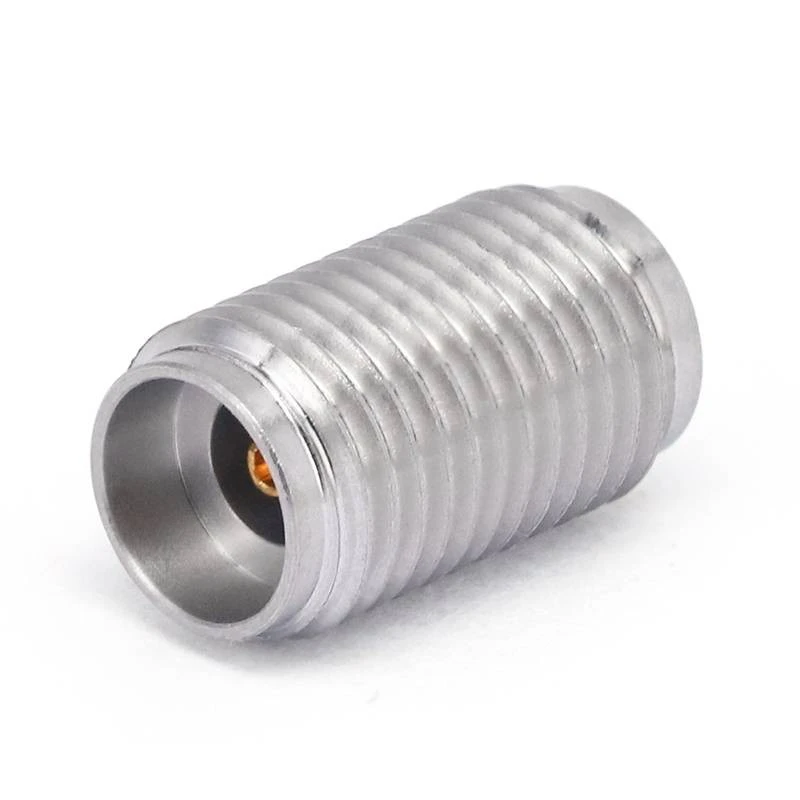
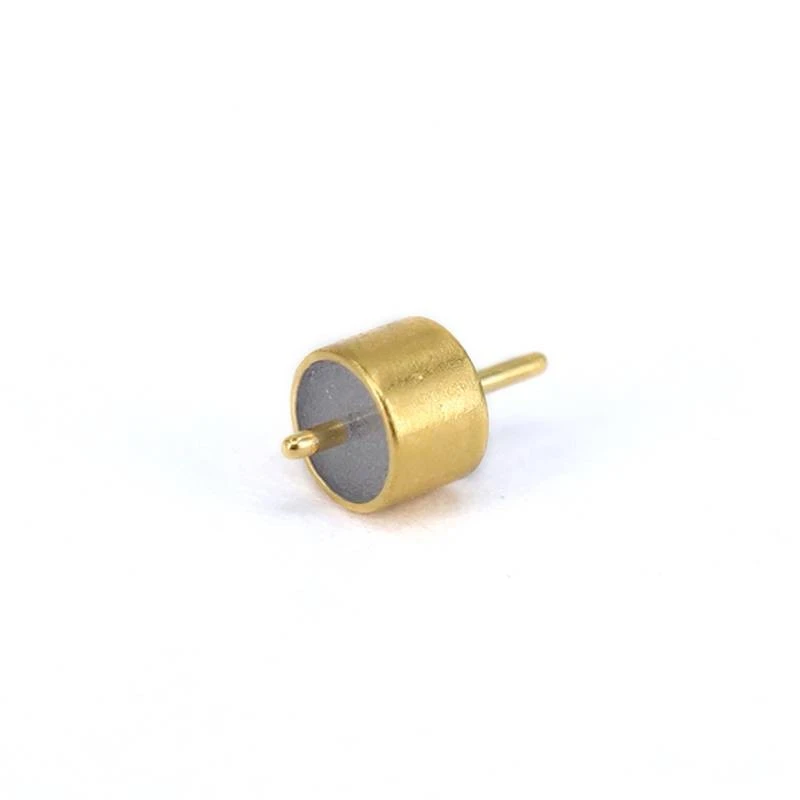
If you are interested in purchasing Coax Connectors or have any questions about our products, please feel free to contact us for a procurement discussion. We look forward to serving you and meeting your RF connection needs.
References
- "Coaxial Cable and Connector Handbook" by Andrew Corporation
- "RF and Microwave Circuit Design for Wireless Applications" by Reinhold Ludwig and Pavel Bretchko


