
What are the RF attenuators for RF spectrum analyzer applications?
Leave a message

RF attenuators play a pivotal role in the field of RF spectrum analyzer applications. As a reliable supplier of RF attenuators, I have witnessed firsthand the diverse needs and applications of these essential components. In this blog post, I will delve into the world of RF attenuators, exploring their functions, types, and significance in RF spectrum analyzer applications.
Understanding RF Attenuators
RF attenuators are electronic devices designed to reduce the power level of an RF signal without significantly distorting its waveform. They are crucial in various RF systems, including spectrum analyzers, to ensure accurate measurements and protect sensitive equipment from excessive signal power. By adjusting the attenuation level, users can optimize the input signal to the spectrum analyzer, ensuring that it falls within the instrument's dynamic range.
Functions of RF Attenuators in RF Spectrum Analyzer Applications
Signal Level Adjustment
One of the primary functions of RF attenuators in spectrum analyzer applications is to adjust the signal level. Spectrum analyzers have a limited dynamic range, which means they can only accurately measure signals within a certain power range. If the input signal is too strong, it can cause overload and distortion, leading to inaccurate measurements. RF attenuators are used to reduce the signal power to a level that is within the spectrum analyzer's dynamic range, ensuring accurate and reliable measurements.
Protection of Spectrum Analyzer
RF attenuators also serve as a protective barrier for spectrum analyzers. In some applications, the input signal may contain high-power transients or spikes that can damage the sensitive components of the spectrum analyzer. By using an RF attenuator, these high-power signals are reduced to a safe level before reaching the spectrum analyzer, protecting it from potential damage.
Improving Measurement Accuracy
In addition to signal level adjustment and protection, RF attenuators can also improve the measurement accuracy of spectrum analyzers. By reducing the signal power, the noise floor of the spectrum analyzer can be lowered, allowing for better detection of weak signals. This is particularly important in applications where the signals of interest are close to the noise floor, such as in wireless communication systems and radar applications.
Types of RF Attenuators for RF Spectrum Analyzer Applications
There are several types of RF attenuators available for RF spectrum analyzer applications, each with its own characteristics and advantages. Some of the most common types include:
Fixed Attenuators
Fixed attenuators provide a constant level of attenuation and are available in a variety of attenuation values. They are simple, reliable, and cost-effective, making them a popular choice for many RF spectrum analyzer applications. Fixed attenuators are typically used when the signal level needs to be reduced by a specific amount and does not require adjustment.
Variable Attenuators
Variable attenuators allow for the adjustment of the attenuation level over a specified range. They are useful in applications where the signal level may vary or where the user needs to fine-tune the attenuation for optimal measurement results. Variable attenuators can be either manual or electronically controlled, depending on the application requirements.
Step Attenuators
Step attenuators provide discrete steps of attenuation, allowing for precise control of the signal level. They are commonly used in applications where the attenuation needs to be adjusted in specific increments, such as in calibration and testing applications. Step attenuators are available in various step sizes and attenuation ranges to meet different application needs.
Specific RF Attenuators for RF Spectrum Analyzer Applications
In addition to the general types of RF attenuators, there are also specific attenuators designed for RF spectrum analyzer applications. These include:
1.85mm Attenuators
1.85mm attenuators are designed for high-frequency applications, typically up to 67 GHz. They offer low insertion loss and high return loss, making them suitable for use in high-performance RF spectrum analyzers. 1.85mm attenuators are commonly used in applications such as millimeter-wave communication systems, radar systems, and high-speed data transmission.
2.92mm Attenuators
2.92mm attenuators are suitable for applications up to 40 GHz. They provide good performance in terms of insertion loss and return loss and are widely used in RF spectrum analyzer applications. 2.92mm attenuators are commonly used in wireless communication systems, satellite communication systems, and microwave test equipment.
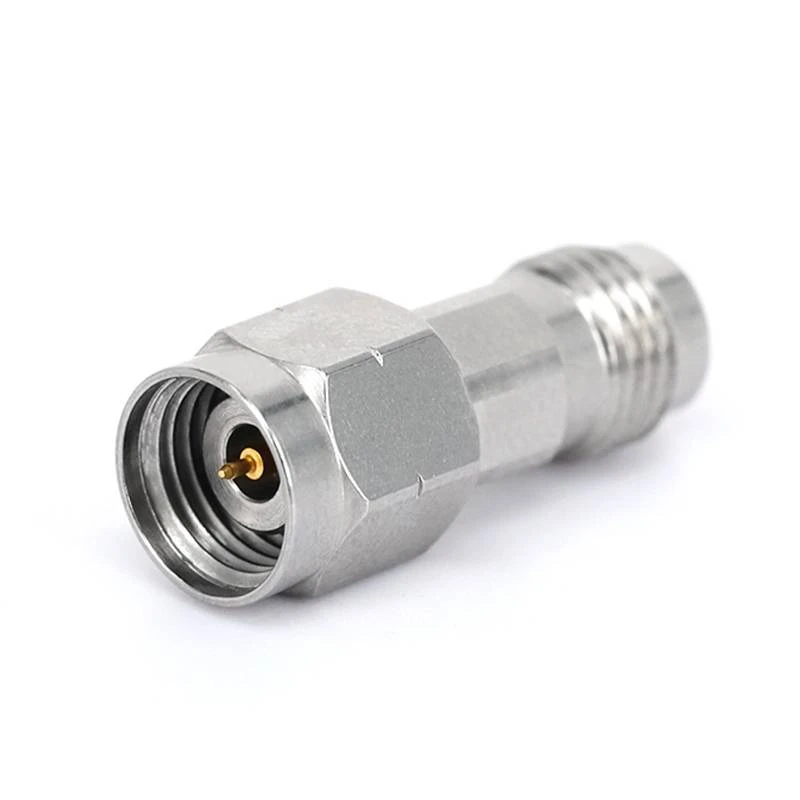
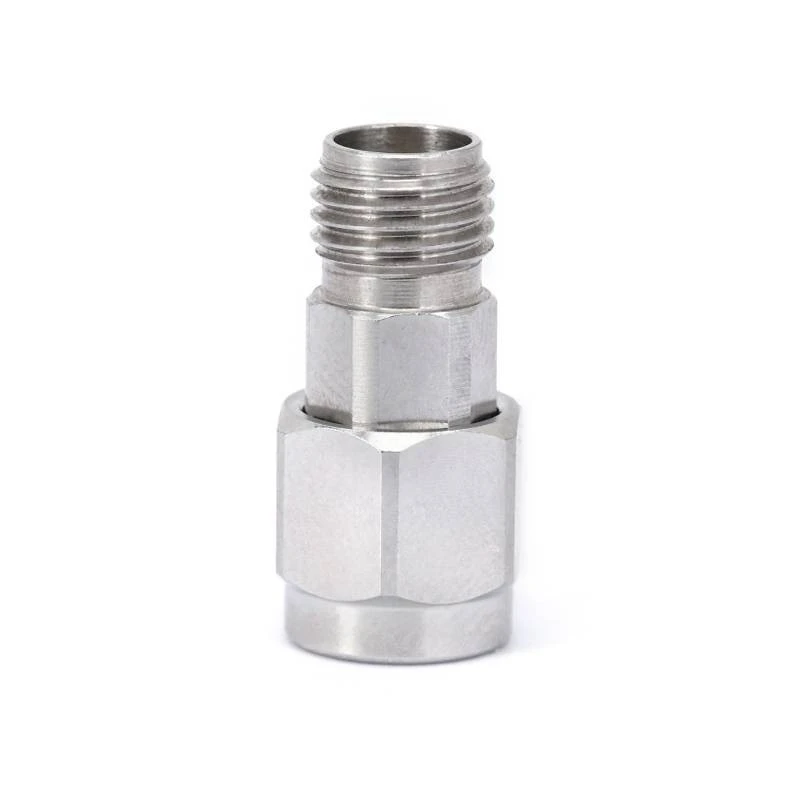
2.4mm Attenuators
2.4mm attenuators are designed for high-frequency applications up to 50 GHz. They offer excellent electrical performance, including low insertion loss and high return loss. 2.4mm attenuators are commonly used in applications such as high-speed data communication, microwave imaging, and RF testing.
Choosing the Right RF Attenuator for Your RF Spectrum Analyzer
When choosing an RF attenuator for your RF spectrum analyzer, there are several factors to consider, including:
Frequency Range
The frequency range of the RF attenuator should match the frequency range of the spectrum analyzer and the signals you are measuring. Make sure to choose an attenuator that can operate within the desired frequency range without significant degradation in performance.
Attenuation Value
The attenuation value of the RF attenuator should be selected based on the input signal power and the dynamic range of the spectrum analyzer. You need to ensure that the attenuator can reduce the signal power to a level that is within the spectrum analyzer's dynamic range for accurate measurements.
Insertion Loss and Return Loss
Insertion loss and return loss are important performance parameters of RF attenuators. Low insertion loss ensures that the attenuator does not significantly reduce the signal power, while high return loss indicates that the attenuator reflects minimal power back to the source. Choose an attenuator with low insertion loss and high return loss for optimal performance.
Power Handling Capacity
The power handling capacity of the RF attenuator should be sufficient to handle the maximum input signal power without overheating or damage. Make sure to choose an attenuator with a power handling capacity that is greater than the expected input signal power.
Conclusion
RF attenuators are essential components in RF spectrum analyzer applications, providing signal level adjustment, protection, and improved measurement accuracy. As a supplier of RF attenuators, we offer a wide range of high-quality attenuators, including 1.85mm Attenuators, 2.92mm Attenuators, and 2.4mm Attenuators, to meet the diverse needs of our customers.
If you are looking for reliable RF attenuators for your RF spectrum analyzer applications, we invite you to contact us for more information and to discuss your specific requirements. Our team of experts is ready to assist you in choosing the right attenuators for your needs and to provide you with the best solutions.
References
- Pozar, D. M. (2011). Microwave Engineering (4th ed.). Wiley.
- Collin, R. E. (2001). Foundations for Microwave Engineering (2nd ed.). McGraw-Hill.
- Silver, S. (Ed.). (1949). Microwave Antenna Theory and Design. McGraw-Hill.


