

What are the signs of overloading in a connector?
Leave a message

As a reputable supplier of Connector Loads, I've witnessed firsthand the critical importance of understanding the signs of overloading in a connector. Overloading can lead to a host of issues, from reduced performance to complete system failure. In this blog, I'll delve into the key indicators that your connector might be under excessive stress and why it's essential to address these issues promptly.
Heat Generation
One of the most obvious signs of overloading in a connector is excessive heat generation. When a connector is overloaded, the electrical current flowing through it exceeds its rated capacity. This causes an increase in resistance, which in turn leads to the conversion of electrical energy into heat. If you notice that a connector is hot to the touch, it's a clear indication that it's under stress.
Heat can have several detrimental effects on a connector. It can cause the insulation materials to degrade, leading to a loss of electrical isolation and an increased risk of short circuits. Additionally, excessive heat can cause the metal components of the connector to expand, which can lead to mechanical stress and eventual failure. To prevent overheating, it's crucial to ensure that the connector is properly sized for the application and that the electrical load does not exceed its rated capacity.
Voltage Drop
Another sign of overloading in a connector is a significant voltage drop. Voltage drop occurs when the electrical resistance of a connector causes a reduction in the voltage available at the load. This can happen when the connector is overloaded because the increased current flow results in a higher resistance.
A voltage drop can have a serious impact on the performance of the connected equipment. It can cause the equipment to operate inefficiently or even malfunction. For example, in a power supply system, a significant voltage drop can cause the output voltage to fall below the required level, which can damage the connected devices. To detect a voltage drop, you can use a voltmeter to measure the voltage at the input and output of the connector. If the difference in voltage is significant, it's a sign that the connector is overloaded.
Physical Damage
Overloading can also cause physical damage to a connector. The excessive heat and mechanical stress generated by an overloaded connector can cause the insulation to crack, the contacts to melt or deform, and the housing to break. Physical damage can be visible to the naked eye, such as cracks in the insulation or melted contacts. However, in some cases, the damage may be internal and not immediately apparent.
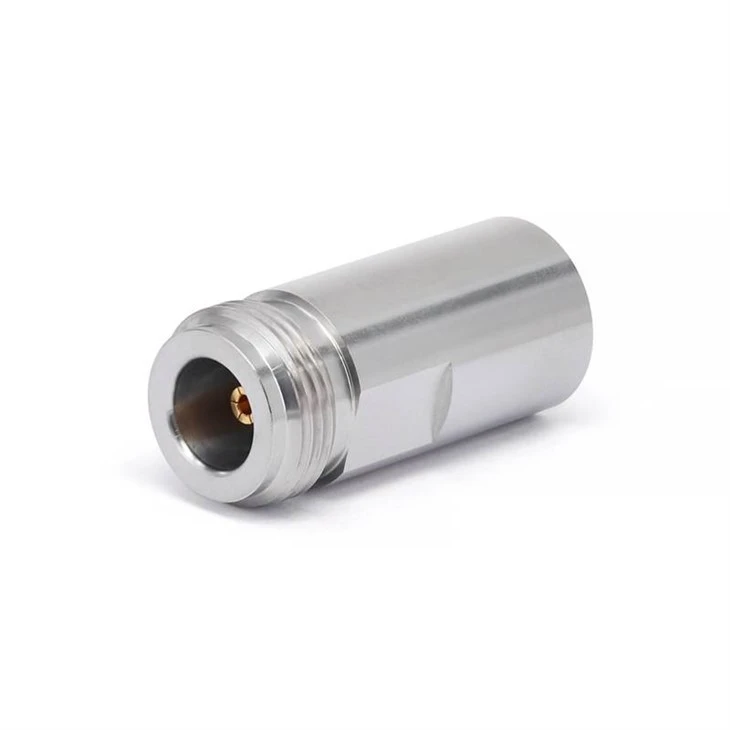
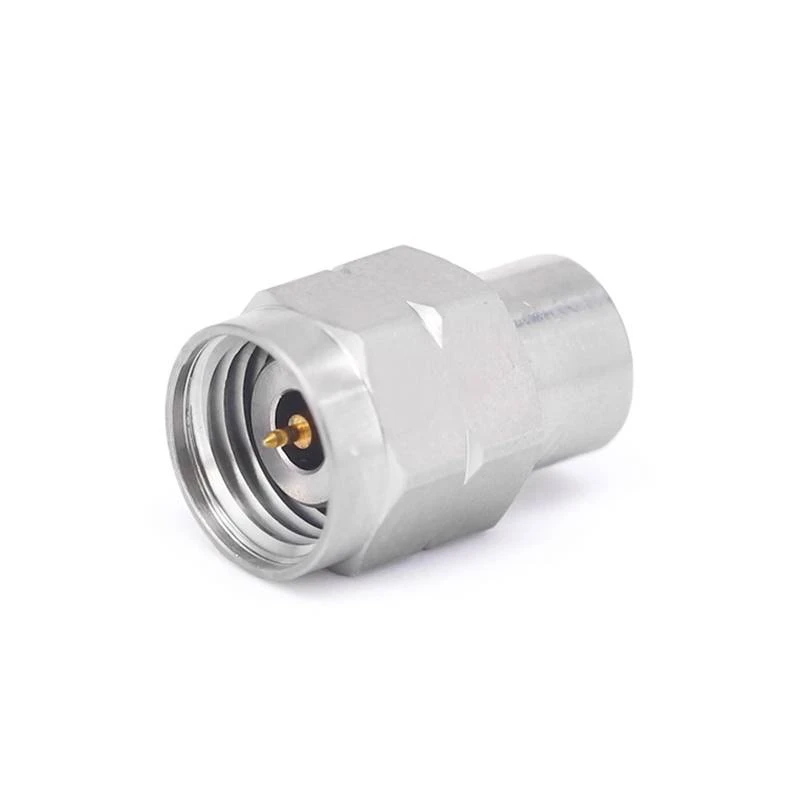
If you suspect that a connector has been physically damaged due to overloading, it's important to replace it as soon as possible. Continuing to use a damaged connector can lead to further problems, including short circuits and equipment failure. When replacing a connector, make sure to choose a replacement that is compatible with the application and has the appropriate rated capacity.
Arcing and Sparking
Arcing and sparking are also signs of overloading in a connector. Arcing occurs when the electrical current jumps across a gap in the connector, creating a high-temperature plasma. Sparking is a visible discharge of electricity that occurs when the arcing is intense enough to be seen.
Arcing and sparking can be extremely dangerous, as they can cause fires and explosions. They can also damage the connector and the connected equipment. If you notice arcing or sparking in a connector, it's important to shut off the power immediately and inspect the connector for damage. If the connector is damaged, it should be replaced.
Reduced Lifespan
Overloading a connector can significantly reduce its lifespan. The excessive heat, mechanical stress, and physical damage caused by overloading can accelerate the wear and tear of the connector, leading to premature failure. A connector that is regularly overloaded may need to be replaced more frequently than one that is operated within its rated capacity.
To extend the lifespan of a connector, it's important to ensure that it is properly sized for the application and that the electrical load does not exceed its rated capacity. Regular maintenance and inspection can also help to identify and address any potential issues before they cause significant damage.
How to Prevent Overloading
Preventing overloading in a connector is essential to ensure its reliable operation and to avoid costly downtime and equipment damage. Here are some tips to help you prevent overloading:
- Proper Sizing: Make sure to choose a connector that is properly sized for the application. Consider the electrical load, the voltage, and the current requirements when selecting a connector.
- Load Management: Monitor the electrical load on the connector and ensure that it does not exceed its rated capacity. If necessary, distribute the load across multiple connectors or use a higher-rated connector.
- Regular Maintenance: Perform regular maintenance and inspection of the connectors to identify and address any potential issues. Check for signs of heat, voltage drop, physical damage, arcing, and sparking.
- Proper Installation: Ensure that the connectors are properly installed and tightened. Loose connections can increase the resistance and lead to overheating.
Our Connector Loads Products
At our company, we offer a wide range of high-quality Connector Loads to meet the needs of various applications. Our products include 2.92mm RF Loads, 2.4mm RF Loads, and N RF Loads. These loads are designed to provide reliable performance and are available in a variety of power ratings and impedance values.
Our Connector Loads are manufactured using the latest technology and high-quality materials to ensure their durability and reliability. We also offer custom solutions to meet the specific requirements of our customers. Whether you need a standard load or a custom-designed solution, we have the expertise and resources to provide you with the right product.
Contact Us for Procurement
If you're interested in purchasing our Connector Loads or have any questions about our products, please don't hesitate to contact us. Our team of experts is available to assist you with your procurement needs and to provide you with the information you need to make an informed decision. We look forward to working with you and helping you find the right Connector Loads for your application.
References
- Grob, Bernard. "Basic Electronics." McGraw-Hill Education, 2007.
- Nilsson, James W., and Susan A. Riedel. "Electric Circuits." Pearson, 2014.
- Terman, Frederick Emmons. "Radio Engineers' Handbook." McGraw-Hill, 1943.


