
Can an antenna interfere with other electronic devices?
Leave a message

Antennas are essential components in modern communication systems, facilitating the transmission and reception of electromagnetic signals. As an antennas supplier, I often encounter questions from customers regarding the potential interference of antennas with other electronic devices. In this blog post, I will delve into the science behind antenna interference, explore the factors that contribute to it, and discuss ways to mitigate its effects.
Understanding Electromagnetic Interference (EMI)
Electromagnetic interference (EMI) occurs when an electromagnetic field generated by one device disrupts the normal operation of another device. This can manifest as noise, distortion, or complete failure of the affected device. Antennas, being devices that emit and receive electromagnetic signals, can be both sources and victims of EMI.
There are two main types of EMI: conducted and radiated. Conducted EMI occurs when the interference is transmitted through electrical conductors, such as power lines or cables. Radiated EMI, on the other hand, is transmitted through the air as electromagnetic waves. Antennas are primarily associated with radiated EMI, as they emit and receive electromagnetic signals in the form of radio waves.
How Antennas Can Interfere with Other Electronic Devices
Antennas can interfere with other electronic devices in several ways. One of the most common ways is through electromagnetic coupling. When an antenna emits a strong electromagnetic field, it can induce currents in nearby conductors, such as the wires in a circuit board or the metal casing of a device. These induced currents can then cause interference with the normal operation of the device.
Another way antennas can interfere with other electronic devices is through frequency overlap. Antennas are designed to operate within specific frequency bands, and if two antennas are operating in the same frequency band, they can interfere with each other. This can result in reduced signal strength, increased noise, and even complete loss of communication.
In addition to electromagnetic coupling and frequency overlap, antennas can also interfere with other electronic devices through harmonics and spurious emissions. Harmonics are multiples of the fundamental frequency of an antenna, and spurious emissions are unwanted signals that are emitted outside of the intended frequency band. These harmonics and spurious emissions can cause interference with other devices operating in the same frequency range.
Factors Affecting Antenna Interference
Several factors can affect the likelihood and severity of antenna interference. One of the most important factors is the proximity of the antenna to the affected device. The closer the antenna is to the device, the stronger the electromagnetic field will be, and the more likely it is to cause interference.
The orientation of the antenna can also have a significant impact on interference. Antennas are directional devices, and their radiation patterns can vary depending on their orientation. If an antenna is oriented in such a way that its radiation pattern is directed towards a sensitive device, it can increase the likelihood of interference.
The power output of the antenna is another important factor. Higher power antennas emit stronger electromagnetic fields, which can increase the likelihood of interference. However, it is important to note that the power output of an antenna is regulated by government agencies to ensure that it does not cause excessive interference.
The frequency of operation of the antenna is also a critical factor. Different frequency bands have different levels of susceptibility to interference, and some frequency bands are more crowded than others. For example, the 2.4 GHz and 5 GHz frequency bands, which are commonly used for Wi-Fi and Bluetooth communication, are very crowded and can be prone to interference.
Mitigating Antenna Interference
There are several ways to mitigate the effects of antenna interference. One of the most effective ways is to use shielding. Shielding involves enclosing the affected device or the antenna in a conductive material, such as metal, to block the electromagnetic field. This can significantly reduce the amount of interference that reaches the device.
Another way to mitigate antenna interference is to use filters. Filters are devices that are designed to block or attenuate specific frequencies. By using filters, it is possible to reduce the amount of unwanted signals that are emitted by the antenna or received by the device.
Proper antenna placement and orientation can also help to mitigate interference. By placing the antenna away from sensitive devices and orienting it in such a way that its radiation pattern is directed away from the device, it is possible to reduce the likelihood of interference.
In addition to these measures, it is also important to follow good electromagnetic compatibility (EMC) practices. This includes using proper grounding, avoiding long cable runs, and using shielded cables. By following these practices, it is possible to reduce the likelihood of interference and ensure the reliable operation of electronic devices.
Our Antenna Solutions
As an antennas supplier, we offer a wide range of antennas that are designed to minimize interference and provide reliable communication. Our Horn Antennas are known for their high gain and low interference characteristics, making them ideal for applications where interference is a concern. Our Log-periodic Antennas are also designed to provide wideband coverage and low interference, making them suitable for a variety of applications.
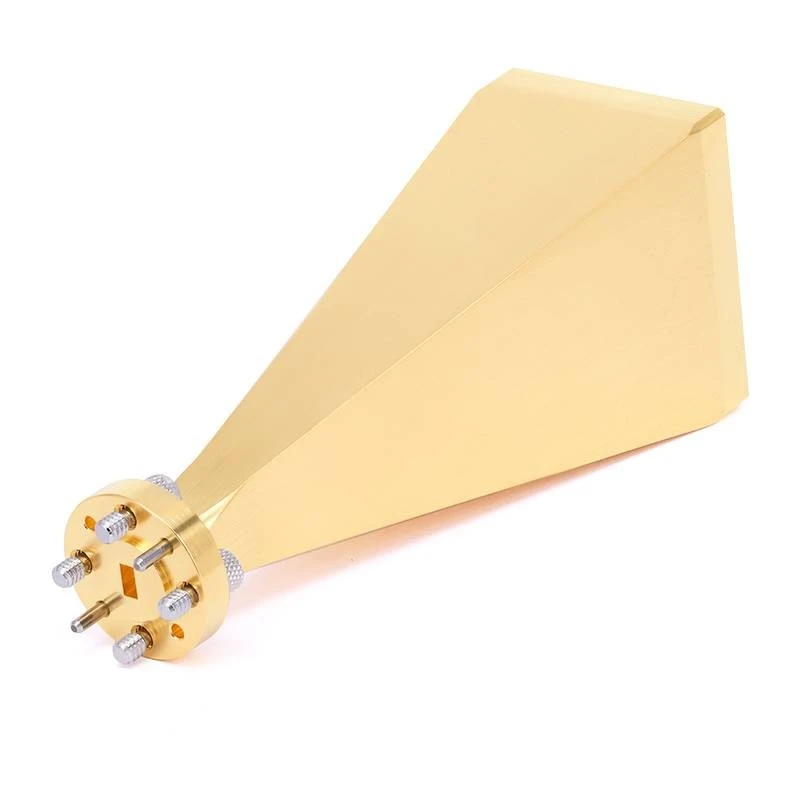

If you are experiencing interference issues with your antennas or other electronic devices, or if you are looking for high-quality antennas that are designed to minimize interference, please do not hesitate to contact us. Our team of experts is available to provide you with technical support and guidance to help you find the best solution for your needs.
Conclusion
In conclusion, antennas can interfere with other electronic devices, but the likelihood and severity of interference can be minimized through proper design, placement, and mitigation techniques. As an antennas supplier, we are committed to providing our customers with high-quality antennas that are designed to minimize interference and provide reliable communication. If you have any questions or concerns about antenna interference, or if you are interested in our antenna solutions, please contact us today to start a discussion about your specific requirements.
References
- Electromagnetic Compatibility Engineering by Henry W. Ott
- Antenna Theory: Analysis and Design by Constantine A. Balanis
- RF and Microwave Circuit Design for Wireless Communications by Chris Bowick


