

What are the thermal properties of DC blocks?
Leave a message

DC blocks, also known as DC blocking capacitors, are crucial components in various electronic and electrical systems. These devices are designed to block direct current (DC) while allowing alternating current (AC) to pass through. In this blog post, I'll delve into the thermal properties of DC blocks, sharing insights from my experience as a supplier of these essential components.
Understanding DC Blocks
Before we explore the thermal properties, let's first understand what DC blocks are and their basic function. DC blocks are typically made of capacitors, which are passive electronic components consisting of two conductive plates separated by an insulating material, known as the dielectric. When a DC voltage is applied across a capacitor, it charges up to the applied voltage and then blocks the flow of DC current. However, for AC signals, the capacitor allows the current to flow because the voltage across it is constantly changing, causing the capacitor to charge and discharge continuously.
DC blocks find applications in a wide range of industries, including telecommunications, power electronics, and audio systems. In telecommunications, they are used to separate DC bias voltages from AC signals in radio frequency (RF) circuits. In power electronics, they help in isolating DC components in high - voltage systems. And in audio systems, they prevent DC offsets from reaching speakers, which could damage them.
Thermal Properties of DC Blocks
Heat Generation
One of the primary thermal aspects of DC blocks is heat generation. Heat is generated in a DC block mainly due to two factors: dielectric losses and equivalent series resistance (ESR).
Dielectric losses occur because the dielectric material in the capacitor is not a perfect insulator. When an AC voltage is applied, the dielectric molecules are polarized and re - polarized continuously. This molecular movement dissipates energy in the form of heat. The amount of dielectric loss depends on the type of dielectric material used. For example, ceramic capacitors with high - dielectric constant materials may have relatively higher dielectric losses compared to film capacitors.
The equivalent series resistance (ESR) of a capacitor is another source of heat generation. ESR represents the resistance that is effectively in series with the ideal capacitor. When an AC current flows through the capacitor, power is dissipated in the ESR according to the formula (P = I^{2}R), where (P) is the power dissipated, (I) is the RMS current, and (R) is the ESR. As the current through the DC block increases, the power dissipated in the ESR and the resulting heat generation also increase.
Thermal Conductivity
Thermal conductivity is an important property that determines how well a DC block can transfer heat away from its internal components. The materials used in the construction of the DC block, such as the dielectric, electrodes, and encapsulation material, all contribute to its overall thermal conductivity.
A high - thermal - conductivity dielectric material can help in conducting heat from the inner parts of the capacitor to the outer surface more efficiently. Similarly, the electrodes and encapsulation material should also have good thermal conductivity to facilitate heat transfer to the surrounding environment. For example, some advanced DC blocks use metalized films with high - thermal - conductivity metals, which not only improve the electrical performance but also enhance the heat dissipation capabilities.
Temperature Rise
The heat generated in a DC block causes its temperature to rise above the ambient temperature. The temperature rise depends on several factors, including the power dissipated, the thermal resistance of the DC block, and the ambient temperature.
The power dissipated in the DC block, as mentioned earlier, is related to the dielectric losses and ESR. The thermal resistance of the DC block is a measure of how difficult it is for heat to flow from the inside of the capacitor to the surrounding environment. It is influenced by the thermal conductivity of the materials and the physical design of the DC block.
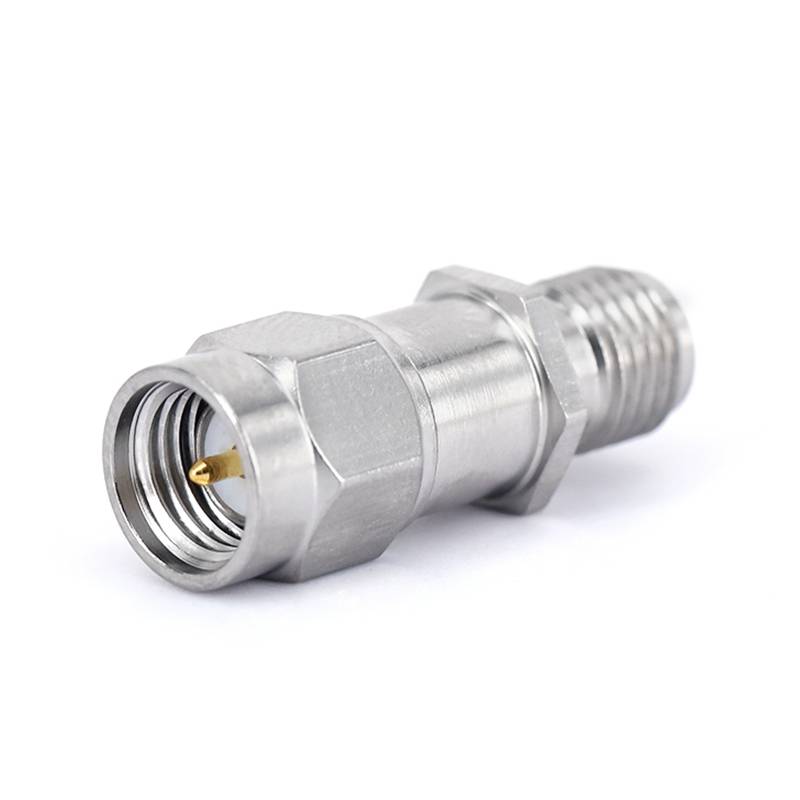

A high - power DC block operating in a high - ambient - temperature environment will experience a significant temperature rise. Excessive temperature rise can have a negative impact on the performance and reliability of the DC block. For example, it can cause the capacitance value to change, increase the ESR, and even lead to premature failure of the dielectric material.
Impact of Thermal Properties on Performance
Capacitance Stability
Temperature changes can affect the capacitance value of a DC block. Most dielectric materials have a temperature coefficient of capacitance (TCC), which describes how the capacitance changes with temperature. For example, some ceramic dielectrics may have a positive TCC, meaning that the capacitance increases with increasing temperature, while others may have a negative TCC.
A large temperature rise in a DC block can cause significant changes in capacitance, which can be problematic in applications where precise capacitance values are required. For instance, in RF circuits, a change in capacitance can shift the resonant frequency of the circuit, affecting its performance.
ESR Variation
The equivalent series resistance (ESR) of a DC block also varies with temperature. In general, the ESR of a capacitor increases with increasing temperature. This is because the resistance of the electrodes and the dielectric material can increase as the temperature rises.
An increase in ESR can lead to higher power dissipation in the DC block, further exacerbating the temperature rise. It can also cause signal attenuation and distortion in AC circuits, especially at high frequencies.
Dielectric Breakdown
Excessive temperature can reduce the dielectric strength of the capacitor, increasing the risk of dielectric breakdown. Dielectric breakdown occurs when the electric field across the dielectric exceeds its maximum withstand voltage, causing a short - circuit between the electrodes.
A DC block operating at a high temperature for an extended period may experience a gradual degradation of the dielectric material, leading to a decrease in its dielectric strength. This can ultimately result in the failure of the DC block and potentially damage other components in the circuit.
Managing Thermal Properties
Cooling Techniques
To manage the thermal properties of DC blocks, various cooling techniques can be employed. One of the simplest methods is natural convection cooling. This involves allowing the heat to dissipate from the surface of the DC block to the surrounding air through natural air movement. To enhance natural convection, the DC block can be mounted in a well - ventilated area or on a heat - dissipating structure.
For more demanding applications, forced - air cooling can be used. This involves using fans to blow air over the surface of the DC block, increasing the heat transfer rate. Liquid cooling is another option for high - power DC blocks. In liquid - cooling systems, a coolant fluid is circulated around the DC block to absorb and carry away the heat.
Material Selection
Selecting the right materials is crucial for managing the thermal properties of DC blocks. As mentioned earlier, materials with high thermal conductivity should be used for the dielectric, electrodes, and encapsulation.
For the dielectric, materials with low dielectric losses and stable temperature coefficients should be chosen. For example, polypropylene film capacitors are known for their low dielectric losses and excellent temperature stability, making them suitable for high - performance DC blocks.
The electrodes should be made of materials with low resistance and good thermal conductivity. Metalized films with aluminum or copper are commonly used in DC blocks due to their favorable electrical and thermal properties.
Inner DC Blocks
If you are looking for high - quality inner DC blocks, you can visit our Inner DC Blocks page. Our inner DC blocks are designed with advanced materials and manufacturing techniques to ensure optimal thermal performance and reliability.
Importance of Thermal Management in DC Blocks
Effective thermal management of DC blocks is essential for ensuring the long - term performance and reliability of electronic and electrical systems. By understanding and controlling the thermal properties of DC blocks, we can minimize the impact of temperature on their performance, prevent premature failures, and improve the overall efficiency of the systems in which they are used.
Contact for Procurement
As a reputable supplier of DC blocks, we are committed to providing our customers with high - quality products and excellent service. If you are interested in purchasing DC blocks for your application, we invite you to contact us for procurement discussions. Our team of experts will be happy to assist you in selecting the right DC blocks based on your specific requirements.
References
- "Capacitor Handbook" by T.C. Van Duzer and C.W. Turner
- "Electronic Circuit Design" by A.S. Sedra and K.C. Smith
- Technical papers from leading capacitor manufacturers such as Murata, TDK, and Vishay.


