

What is the cost of RF switches?
Leave a message

In the realm of radio frequency (RF) technology, RF switches play a crucial role in various applications, from telecommunications and wireless networks to radar systems and test equipment. As a leading supplier of RF switches, I often encounter inquiries about the cost of these essential components. In this blog post, I will delve into the factors that influence the cost of RF switches and provide insights to help you understand the pricing dynamics in the market.
Understanding RF Switches
Before we discuss the cost, let's briefly understand what RF switches are and their significance. RF switches are electronic devices that route RF signals between different paths. They are used to control the flow of RF energy, enabling the selection of specific input or output ports in a system. RF switches come in various types, each designed to meet different performance requirements and application needs. You can learn more about RF Switches Types on our website.
Factors Affecting the Cost of RF Switches
1. Performance Specifications
One of the primary factors influencing the cost of RF switches is their performance specifications. Higher-performance switches typically come with a higher price tag. Key performance parameters include:
- Frequency Range: Switches designed to operate over a wider frequency range are generally more expensive. For example, a switch that can handle frequencies from DC to several gigahertz will cost more than one with a limited frequency range.
- Insertion Loss: Insertion loss refers to the amount of signal power lost when passing through the switch. Lower insertion loss indicates better performance, and switches with lower insertion loss are usually more costly.
- Isolation: Isolation measures the degree of separation between different ports of the switch. Higher isolation values mean less interference between ports, and switches with high isolation are more expensive.
- Switching Speed: Faster switching speeds are required in applications where rapid signal routing is necessary, such as in high - speed communication systems. Switches with high switching speeds are more complex to manufacture and thus more costly.
2. Switching Technology
There are several types of switching technologies used in RF switches, and each has its own cost implications:
- Electromechanical Switches: These switches use mechanical contacts to route RF signals. They offer excellent performance in terms of low insertion loss and high isolation. However, they are relatively large, have a limited switching speed, and are more expensive due to their mechanical complexity and the precision required in manufacturing.
- Solid - State Switches: Solid - state switches, such as PIN diode switches and FET switches, are based on semiconductor technology. They are smaller, have faster switching speeds, and are more reliable than electromechanical switches. The cost of solid - state switches can vary depending on the type of semiconductor material used and the complexity of the circuit design. For example, switches using advanced semiconductor materials or with integrated control circuits will be more expensive.
3. Packaging and Size
The packaging and size of the RF switch also affect its cost. Miniature and surface - mount packages are more suitable for modern, compact electronic devices. However, the manufacturing process for these small - sized packages is more challenging and requires advanced packaging technologies, which can increase the cost. On the other hand, larger, through - hole packages are generally less expensive but may not be suitable for applications with strict size constraints.
4. Quantity and Customization
The quantity of RF switches you order can have a significant impact on the cost. As with most products, bulk orders usually result in lower unit costs. Manufacturers can achieve economies of scale in production, reducing the cost per unit. Additionally, if you require customized RF switches to meet specific application requirements, such as special performance specifications or unique packaging, the cost will be higher due to the additional engineering and manufacturing efforts involved.
Cost Comparison in the Market
To give you a better idea of the cost range of RF switches, let's look at some general price comparisons.
- Low - End Switches: Basic solid - state RF switches with limited performance specifications, such as a narrow frequency range and relatively high insertion loss, can cost a few dollars per unit. These switches are suitable for applications where cost is a major concern and high - performance is not critical, such as in some consumer electronics.
- Mid - Range Switches: Switches with moderate performance, such as a wider frequency range, lower insertion loss, and reasonable isolation, typically range from $10 to $50 per unit. These switches are commonly used in a variety of applications, including wireless access points and test equipment.
- High - End Switches: High - performance RF switches, such as those with ultra - low insertion loss, high isolation, and fast switching speeds, can cost over $100 per unit. These switches are used in advanced applications, such as military radar systems and high - speed communication networks.
Cost - Benefit Analysis
When considering the cost of RF switches, it is essential to conduct a cost - benefit analysis. A more expensive switch may offer better performance, which can lead to improved system performance and reliability. For example, in a wireless communication system, using a high - performance RF switch with low insertion loss can result in better signal quality and longer transmission distances. On the other hand, if the application does not require high - end performance, choosing a lower - cost switch can help reduce the overall system cost without sacrificing too much functionality.
Conclusion
The cost of RF switches is influenced by a variety of factors, including performance specifications, switching technology, packaging, quantity, and customization. As a supplier, we understand that cost is an important consideration for our customers. We offer a wide range of RF switches to meet different budget and performance requirements. Whether you need a cost - effective solution for a consumer product or a high - performance switch for a critical application, we can provide the right product for you.

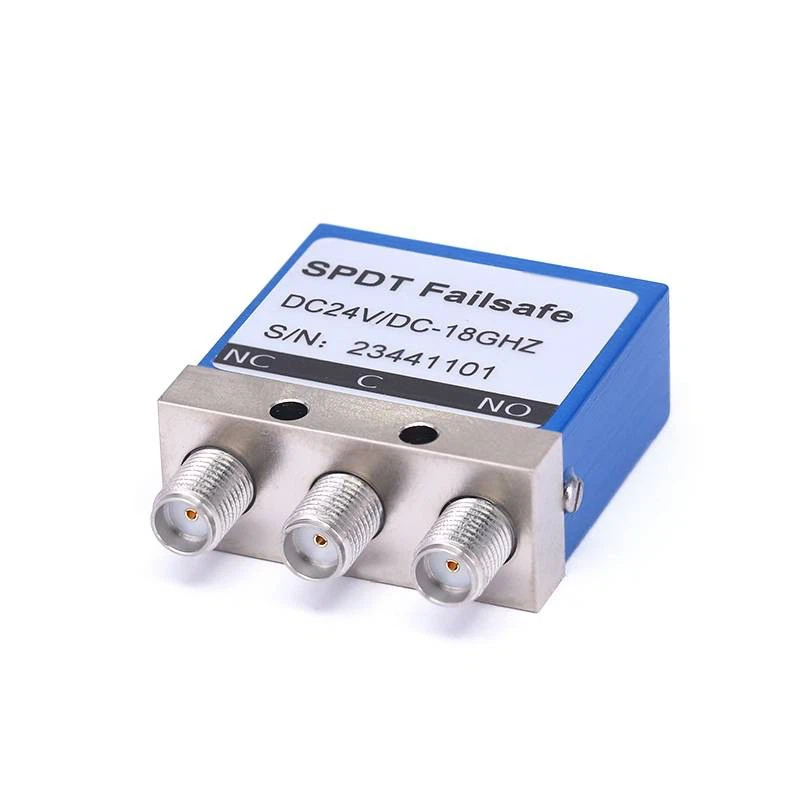
If you are interested in purchasing RF switches or have any questions about our products, we encourage you to contact us for a detailed quote and to discuss your specific needs. Our team of experts is ready to assist you in finding the most suitable RF switches for your applications.
References
- Pozar, D. M. (2011). Microwave Engineering (4th ed.). Wiley.
- Vendelin, G. D., Pavio, A. M., & Rohde, U. L. (1990). Microwave Circuit Design Using Linear and Nonlinear Techniques. Wiley.


