

What is the difference between fixed and variable RF attenuators?
Leave a message

In the realm of radio frequency (RF) technology, attenuators play a crucial role in controlling the power level of RF signals. As an established RF attenuators supplier, we often encounter inquiries about the differences between fixed and variable RF attenuators. Understanding these differences is essential for making informed decisions when selecting the appropriate attenuator for specific applications. In this blog post, we will delve into the characteristics, advantages, and applications of fixed and variable RF attenuators.
Fixed RF Attenuators
Fixed RF attenuators, as the name suggests, provide a constant level of attenuation. Once manufactured, the attenuation value of a fixed attenuator remains unchangeable. These attenuators are designed to reduce the power of an RF signal by a specific amount, which is typically expressed in decibels (dB).
Characteristics
- Precision and Stability: Fixed attenuators are known for their high precision and stability. They offer a consistent attenuation value over a wide range of frequencies and operating conditions. This makes them ideal for applications where accurate signal level control is required.
- Simple Design: The design of fixed attenuators is relatively simple, consisting of passive components such as resistors. This simplicity not only results in lower cost but also enhances reliability and durability.
- Low Insertion Loss: In addition to the specified attenuation, fixed attenuators introduce minimal additional loss, known as insertion loss. This ensures that the signal quality is maintained while achieving the desired power reduction.
Advantages
- Cost - Effective: Due to their simple design and mass - production capabilities, fixed attenuators are generally more cost - effective than variable attenuators. This makes them a popular choice for applications where a specific, unchanging attenuation is required on a budget.
- Reliability: With fewer components and no moving parts, fixed attenuators have a higher reliability and longer service life. They are less prone to failure and require minimal maintenance.
Applications
- Test and Measurement: Fixed attenuators are widely used in test and measurement equipment, such as spectrum analyzers and network analyzers. They help to adjust the signal level to a suitable range for accurate measurement.
- RF Communication Systems: In RF communication systems, fixed attenuators can be used to balance signal levels between different components, reduce interference, and protect sensitive equipment from excessive power.
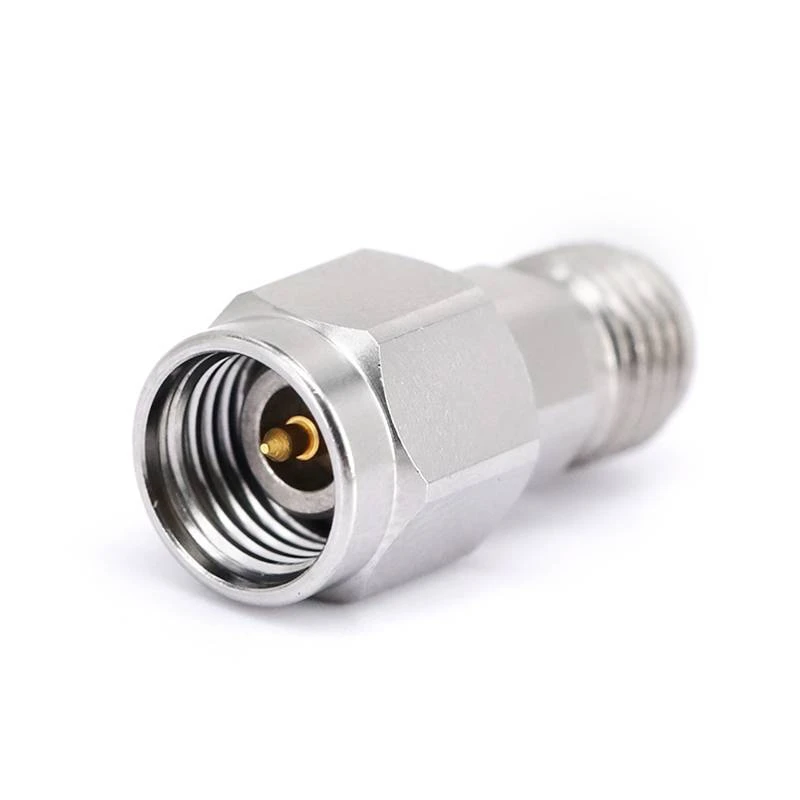
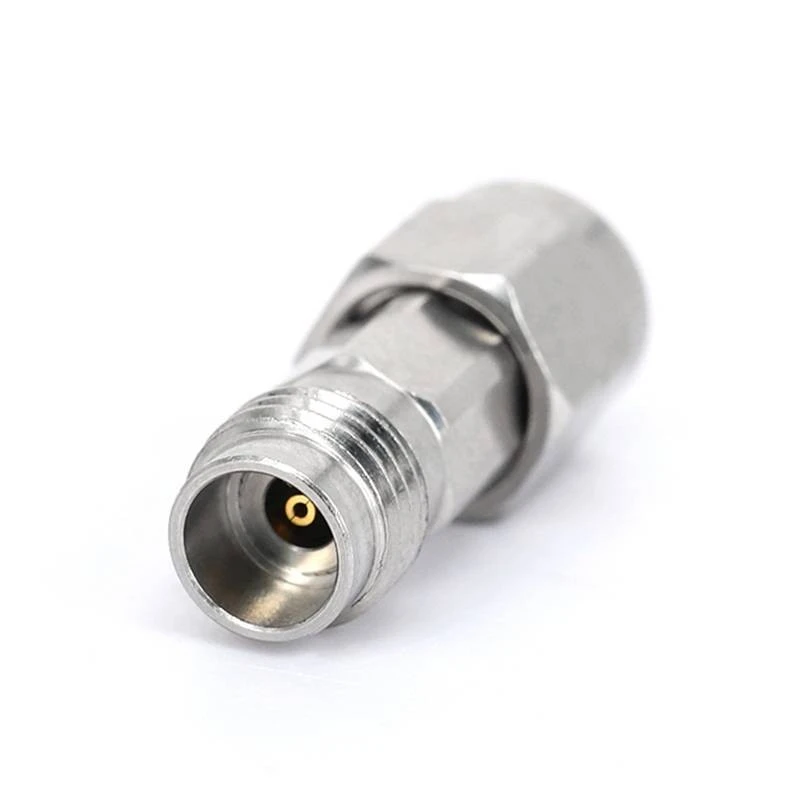
For example, our SMA Attenuators are a type of fixed attenuator that are commonly used in various RF applications due to their compact size and excellent performance.
Variable RF Attenuators
Variable RF attenuators, on the other hand, allow for adjustable attenuation. Users can change the attenuation level according to their specific requirements, providing a high degree of flexibility.
Characteristics
- Adjustable Attenuation: The key feature of variable attenuators is their ability to adjust the attenuation level. This can be achieved through manual adjustment mechanisms, such as potentiometers or electronic control interfaces.
- Wide Dynamic Range: Variable attenuators typically offer a wide dynamic range, allowing for a large variation in the attenuation value. This makes them suitable for applications where the signal power can vary significantly.
Advantages
- Flexibility: The most significant advantage of variable attenuators is their flexibility. They can be used in a wide range of applications where the signal level needs to be adjusted continuously, such as in RF signal generators and variable gain amplifiers.
- Adaptability: Variable attenuators can adapt to changing signal conditions. For example, in wireless communication systems, the signal strength may vary depending on the distance between the transmitter and the receiver. A variable attenuator can be used to adjust the signal level accordingly.
Applications
- RF Signal Generation: In RF signal generators, variable attenuators are used to control the output power of the generated signal. This allows for the creation of signals with different power levels for testing and calibration purposes.
- Wireless Communication Systems: Variable attenuators are also used in wireless communication systems to optimize the signal strength at different points in the system. They can be used to compensate for path loss, adjust the gain of amplifiers, and improve the overall performance of the system.
Our 2.4mm Attenuators and 2.92mm Attenuators are available in variable attenuation options, providing users with the flexibility to meet their specific needs in high - frequency applications.
Key Differences
Attenuation Adjustability
The most obvious difference between fixed and variable RF attenuators is the ability to adjust the attenuation level. Fixed attenuators have a single, pre - determined attenuation value, while variable attenuators can be adjusted to provide different attenuation levels as needed.
Cost
Fixed attenuators are generally more cost - effective than variable attenuators. The simple design and lack of adjustable components in fixed attenuators make them cheaper to manufacture. Variable attenuators, on the other hand, require more complex mechanisms for attenuation adjustment, which increases their cost.
Complexity
Fixed attenuators have a simpler design and are easier to use. They do not require any adjustment or calibration, making them suitable for applications where a set - and - forget approach is sufficient. Variable attenuators, however, require more attention and may need to be adjusted regularly to maintain the desired signal level.
Application Specificity
Fixed attenuators are best suited for applications where a constant, known attenuation is required. For example, in a test setup where the signal needs to be reduced by a specific amount for accurate measurement. Variable attenuators are more appropriate for applications where the signal level can vary, such as in dynamic communication systems or RF signal generation.
Making the Right Choice
When choosing between fixed and variable RF attenuators, several factors need to be considered. First, the specific requirements of the application should be evaluated. If a constant attenuation level is sufficient, a fixed attenuator is likely the best choice. However, if the signal level needs to be adjusted frequently, a variable attenuator is more suitable.
Cost is also an important factor. If budget is a concern and a fixed attenuation value meets the requirements, choosing a fixed attenuator can save a significant amount of money. On the other hand, if the flexibility of variable attenuation is crucial for the application, the additional cost of a variable attenuator may be justified.
In addition, the operating environment and frequency range of the application should be taken into account. Some attenuators may perform better in certain frequency bands or under specific environmental conditions.
As an RF attenuators supplier, we are committed to providing high - quality products and professional advice to help our customers make the right choice. Whether you need a fixed or variable RF attenuator, we have a wide range of options to meet your needs.
Contact Us for Procurement
If you are interested in purchasing RF attenuators or have any questions about our products, please feel free to contact us. Our experienced sales team is ready to assist you in finding the most suitable attenuators for your applications and provide you with competitive pricing and excellent service.
References
- Pozar, D. M. (2011). Microwave Engineering. John Wiley & Sons.
- Collin, R. E. (2001). Foundations for Microwave Engineering. McGraw - Hill.


