
How do certifications affect the quality and marketability of RF adapters?
Leave a message

Certifications play a pivotal role in the realm of RF (Radio Frequency) adapters, significantly influencing both their quality and marketability. As an RF adapter supplier, I've witnessed firsthand how these certifications can shape the industry landscape and impact our business operations. In this blog post, I'll delve into the ways certifications affect the quality and marketability of RF adapters, drawing on my experiences and industry knowledge.
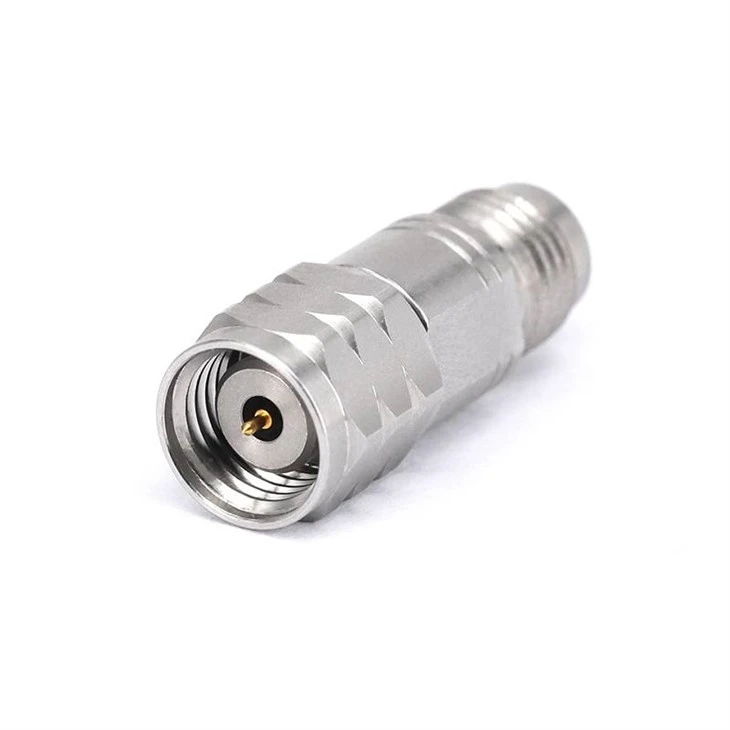
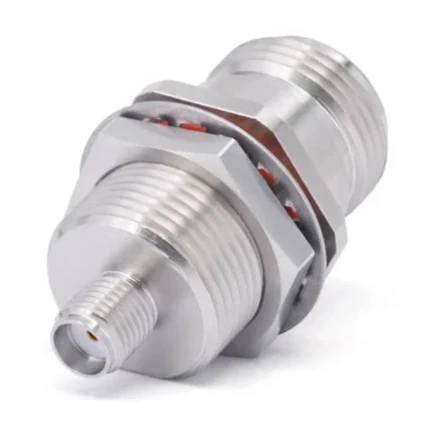
The Importance of Quality in RF Adapters
Before discussing the role of certifications, it's essential to understand why quality is so crucial in RF adapters. These components are used in a wide range of applications, from telecommunications and aerospace to medical devices and military equipment. In each of these fields, the performance of RF adapters can have a direct impact on the overall functionality and reliability of the systems they are part of.
High - quality RF adapters ensure accurate signal transmission, minimize signal loss, and provide consistent performance over time. They are designed to withstand harsh environmental conditions, such as extreme temperatures, humidity, and vibration. Poor - quality adapters, on the other hand, can lead to signal degradation, interference, and system failures, which can be costly and potentially dangerous in critical applications.
How Certifications Ensure Quality
Certifications act as a stamp of approval that an RF adapter meets certain standards of quality and performance. There are several well - recognized certifications in the RF industry, each with its own set of criteria and testing procedures.
One of the most common certifications is ISO 9001. This certification is related to quality management systems. A company that holds an ISO 9001 certification has demonstrated that it has a systematic approach to quality control. This includes processes for design, production, inspection, and customer service. For RF adapter suppliers, an ISO 9001 certification means that every step of the manufacturing process, from sourcing raw materials to final product testing, is carefully monitored and controlled. This helps to ensure that the RF adapters produced are of consistent quality and meet or exceed customer expectations.
Another important certification is the RoHS (Restriction of Hazardous Substances) directive. This certification restricts the use of certain hazardous materials, such as lead, mercury, cadmium, and others, in electrical and electronic equipment. RF adapters that are RoHS - compliant are not only safer for the environment but also for the end - users. In addition, many countries and regions have regulations that require products to be RoHS - compliant, so having this certification is often a necessity for market access.
MIL - STD (Military Standard) certifications are also highly regarded in the RF industry. These standards are set by the military to ensure that products used in military applications meet strict performance and reliability requirements. RF adapters with MIL - STD certifications are designed to operate in extreme conditions, such as high - altitude, high - temperature, and high - shock environments. They undergo rigorous testing to ensure that they can withstand these conditions without compromising their performance. For example, a 1.85mm Adapter with a MIL - STD certification would be suitable for use in military communication systems where reliability is of utmost importance.
Impact on Marketability
Certifications not only enhance the quality of RF adapters but also have a significant impact on their marketability. In today's competitive market, customers are more informed and demanding than ever before. They are looking for products that not only meet their technical requirements but also come with the assurance of quality and reliability.
Certifications act as a differentiator in the market. When a customer is comparing different RF adapter suppliers, a product with relevant certifications is more likely to stand out. For example, a customer in the aerospace industry may be more inclined to choose a GPPO Mini SMP Adapter from a supplier that has ISO 9001 and MIL - STD certifications over a similar product from a supplier without these certifications. This is because the certifications provide evidence that the product has been tested and meets the high - quality standards required in aerospace applications.
Certifications also help to build trust with customers. In industries where the cost of failure can be extremely high, such as the medical and military sectors, customers need to have confidence in the products they are purchasing. A certification serves as a third - party validation of the product's quality, which can give customers peace of mind. This trust can lead to long - term relationships with customers, repeat business, and positive word - of - mouth referrals.
Furthermore, certifications can open up new markets. As mentioned earlier, many countries and regions have regulations that require products to meet certain standards. For example, in the European Union, products need to comply with the CE (Conformité Européene) marking, which indicates that the product meets European health, safety, and environmental protection standards. By obtaining the necessary certifications, RF adapter suppliers can expand their market reach and access customers in different parts of the world.
Challenges in Obtaining Certifications
While certifications offer numerous benefits, obtaining them is not without challenges. The process of certification can be time - consuming and expensive. It requires a significant investment in resources, including personnel, equipment, and testing facilities.
For example, to obtain a MIL - STD certification, RF adapter suppliers need to conduct a series of tests in accordance with the military standards. These tests can be complex and may require specialized equipment and expertise. In addition, the testing process may need to be repeated periodically to ensure continued compliance.
Another challenge is keeping up with the changing standards. As technology advances and new requirements emerge, certifications are updated to reflect these changes. RF adapter suppliers need to stay informed about these updates and make the necessary adjustments to their products and processes to maintain their certifications.
Our Approach as an RF Adapter Supplier
As an RF adapter supplier, we recognize the importance of certifications in ensuring the quality and marketability of our products. We have made a commitment to obtaining and maintaining relevant certifications for our entire product range.
We have implemented a comprehensive quality management system in line with ISO 9001 standards. This system covers every aspect of our business, from product design and development to production and after - sales service. We have a dedicated quality control team that conducts regular inspections and tests to ensure that our RF adapters meet the highest quality standards.
We also ensure that all our products are RoHS - compliant. We work closely with our suppliers to source raw materials that are free from hazardous substances. This not only helps us to meet regulatory requirements but also demonstrates our commitment to environmental sustainability.
In addition, we offer a range of RF adapters with MIL - STD certifications. Our N Adapter series, for example, has been tested and certified to meet military standards. These adapters are designed to provide reliable performance in demanding applications, such as military communication and radar systems.
Conclusion
Certifications have a profound impact on the quality and marketability of RF adapters. They serve as a guarantee of quality, helping to ensure that RF adapters meet the high - performance and reliability requirements of various industries. At the same time, certifications enhance marketability by differentiating products in the market, building trust with customers, and opening up new market opportunities.
As an RF adapter supplier, we are committed to providing our customers with high - quality products that are backed by relevant certifications. If you are in the market for RF adapters and are looking for a reliable supplier, we invite you to contact us for a detailed discussion about your requirements. We look forward to the opportunity to work with you and provide you with the best RF adapter solutions.
References
- International Organization for Standardization. (2015). ISO 9001:2015 Quality management systems — Requirements.
- European Union. (2011). Directive 2011/65/EU of the European Parliament and of the Council of 8 June 2011 on the restriction of the use of certain hazardous substances in electrical and electronic equipment (RoHS).
- United States Department of Defense. Various Military Standards (MIL - STD) related to RF components.


