

What is the frequency response of an RF amplifier?
Leave a message

Hey there! As a supplier of RF amplifiers, I often get asked about the frequency response of RF amplifiers. So, I thought I'd break it down in a way that's easy to understand, especially for those who might not be super tech - savvy.
Let's start with the basics. What exactly is frequency response? In simple terms, the frequency response of an RF amplifier is how well the amplifier can handle different frequencies. You see, RF (Radio Frequency) signals come in a wide range of frequencies, and an amplifier's job is to boost these signals. But not all amplifiers are created equal when it comes to dealing with various frequencies.
Think of an RF amplifier like a musical instrument. A good guitar can play different notes across a wide range. Similarly, a high - quality RF amplifier can amplify signals at different frequencies effectively. The frequency response is usually represented on a graph, where the x - axis shows the frequency, and the y - axis shows the gain of the amplifier. Gain is just a fancy word for how much the amplifier boosts the signal.
There are a few key things to look at when considering the frequency response of an RF amplifier. First off, there's the bandwidth. Bandwidth is the range of frequencies over which the amplifier can operate with a relatively constant gain. For example, if an amplifier has a bandwidth from 1 GHz to 10 GHz, it means it can amplify signals within that frequency range pretty well. Outside of this range, the gain might drop significantly, and the amplifier won't work as effectively.
Another important factor is the flatness of the frequency response. A flat frequency response means that the gain of the amplifier stays pretty much the same across the bandwidth. This is crucial because if the gain varies too much, it can distort the signal. Imagine listening to a song where the volume keeps going up and down randomly - it wouldn't sound good, right? The same goes for RF signals. If the gain isn't stable, the information carried by the signal can get messed up.
Now, let's talk about some of the challenges in achieving a good frequency response. One of the main issues is the parasitic elements in the amplifier circuit. These are like little unwanted electrical components that come from the physical layout of the circuit. They can cause the gain to change at different frequencies and can limit the bandwidth of the amplifier. Designers have to work hard to minimize these parasitic elements to get a better frequency response.
At our company, we've put a lot of effort into developing RF amplifiers with excellent frequency responses. We use advanced design techniques and high - quality components to ensure that our amplifiers can handle a wide range of frequencies with minimal distortion. For instance, our 110GHz Low Noise Amplifiers are designed to operate at very high frequencies while maintaining a flat frequency response. These amplifiers are great for applications where you need to amplify high - frequency signals, like in some advanced communication systems.
Our 75GHz Low Noise Amplifiers are also a popular choice. They offer a good balance between frequency range and performance. They can be used in a variety of applications, from radar systems to satellite communications.
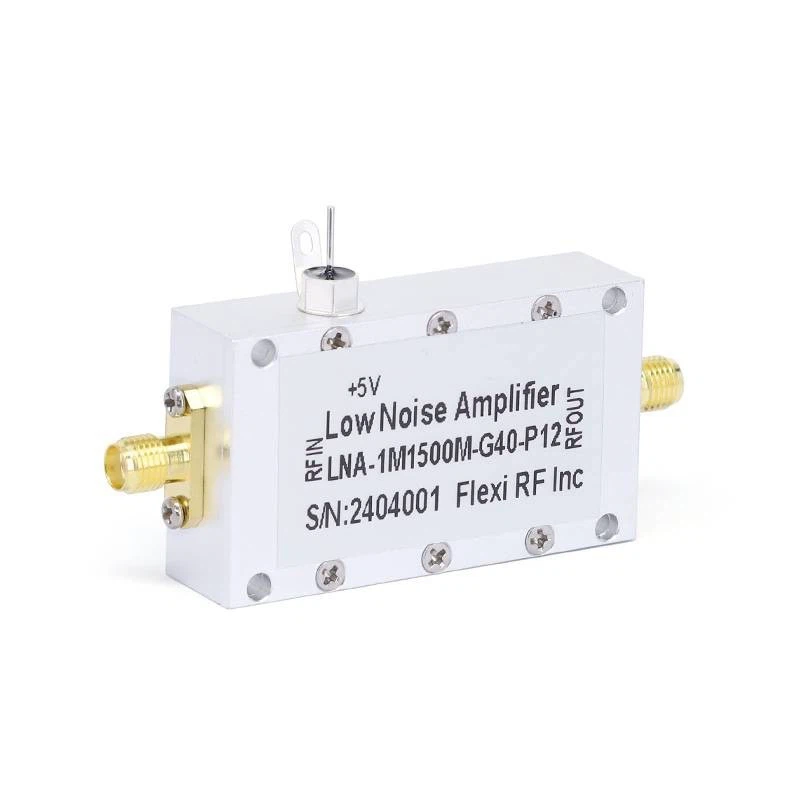
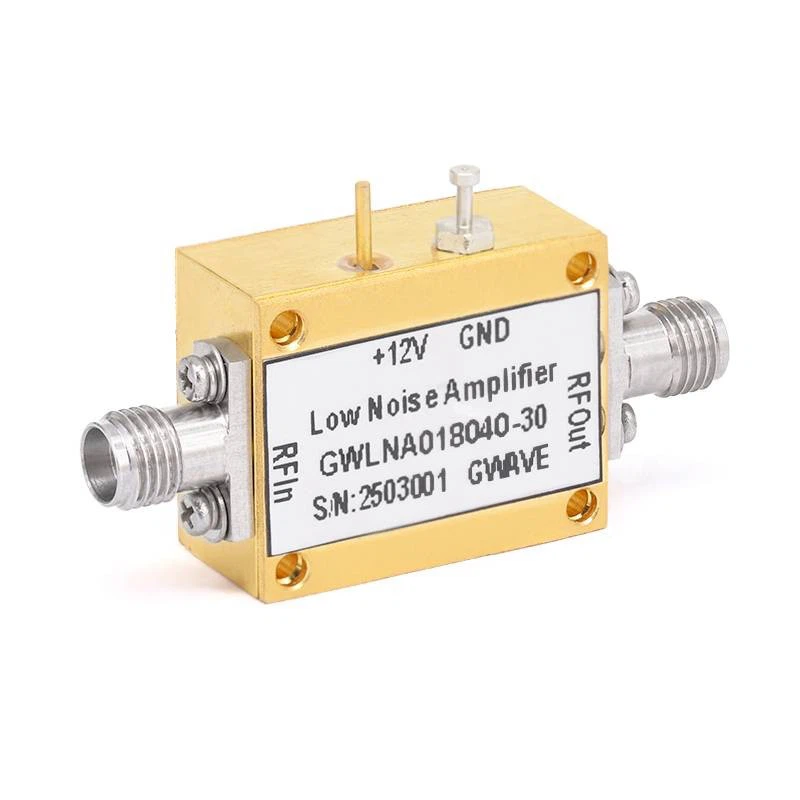
And if you're looking for something even more high - end, our 220GHz Low Noise Amplifiers are the way to go. These amplifiers are capable of handling extremely high frequencies, which are often required in cutting - edge research and development projects.
When you're choosing an RF amplifier, it's important to match the frequency response of the amplifier to your specific application. If you're working on a project that requires amplifying signals at a specific frequency, make sure the amplifier has a good gain at that frequency. Also, consider the bandwidth and the flatness of the frequency response.
We understand that every customer's needs are different. That's why we offer a range of RF amplifiers with different frequency responses. Whether you're a small - scale researcher or a large - scale manufacturer, we can provide you with the right amplifier for your project.
If you're interested in learning more about our RF amplifiers or have any questions about frequency response, don't hesitate to reach out. We're here to help you find the best solution for your RF amplification needs. Whether it's for a new product development or upgrading an existing system, we've got the expertise and the products to make it happen.
In conclusion, the frequency response of an RF amplifier is a critical factor in its performance. It determines how well the amplifier can handle different frequencies and how accurately it can amplify signals. By choosing an amplifier with a good frequency response, you can ensure that your RF system works efficiently and effectively. So, if you're in the market for an RF amplifier, take the time to understand the frequency response and choose the one that's right for you. And remember, we're here to assist you every step of the way.
References
- Pozar, D. M. (2011). Microwave Engineering. Wiley.
- Collin, R. E. (2001). Foundations for Microwave Engineering. Wiley - Interscience.


