
Can SMA attenuators be used in medical equipment?
Leave a message

Hey there! As a supplier of SMA Attenuators, I often get asked a pretty interesting question: Can SMA attenuators be used in medical equipment? Well, let's dig into this topic and find out.
First off, let's understand what SMA attenuators are. SMA, which stands for SubMiniature version A, is a widely used coaxial connector in the RF (radio frequency) world. Attenuators, on the other hand, are devices that reduce the power of a signal without significantly distorting its waveform. They're like the volume knobs for RF signals, allowing you to control how strong the signal is.
Now, let's talk about medical equipment. The medical field is a highly regulated and critical area where precision and reliability are of utmost importance. Medical devices range from simple monitoring equipment like heart rate monitors to complex imaging systems such as MRI machines. Each of these devices has specific requirements when it comes to signal processing and control.
One of the key factors in determining whether SMA attenuators can be used in medical equipment is the frequency range. Medical equipment often operates in specific frequency bands. For example, some wireless medical sensors might operate in the 2.4 GHz ISM (Industrial, Scientific, and Medical) band. SMA attenuators are available in a wide range of frequency capabilities, and many can cover the frequencies commonly used in medical applications. If you're looking for attenuators with different connector types and frequency ranges, you can check out 2.4mm Attenuators and 2.92mm Attenuators.
Another important aspect is the power handling capacity. Medical equipment can have different power requirements depending on their function. Some low - power medical devices might only need a few milliwatts of power, while high - power devices like certain types of therapeutic equipment could require much more. SMA attenuators come in various power ratings, so it's possible to find one that suits the power needs of a particular medical device.
Accuracy is also a major concern in medical applications. Inaccurate signal attenuation can lead to incorrect readings or improper functioning of the medical equipment. SMA attenuators are designed to provide precise attenuation values. They are manufactured with high - quality materials and advanced manufacturing processes to ensure consistent and accurate performance. This precision is crucial in medical equipment where even a small error can have significant consequences.
Reliability is non - negotiable in the medical field. Medical equipment needs to work flawlessly for long periods of time. SMA attenuators are known for their durability and long - term reliability. They are built to withstand environmental factors such as temperature variations, humidity, and mechanical stress. This makes them a viable option for use in medical equipment that may be exposed to different operating conditions.
However, there are also some challenges and considerations. Medical equipment is subject to strict regulatory requirements. Before using SMA attenuators in medical devices, manufacturers need to ensure that the attenuators meet all the relevant standards and regulations. This might involve additional testing and certification processes.
Cost is another factor. In the medical industry, cost - effectiveness is always a consideration. While SMA attenuators are generally affordable, the cost of compliance with medical regulations can add up. Manufacturers need to weigh the benefits of using SMA attenuators against the additional costs associated with regulatory compliance.
Let's look at some specific examples of how SMA attenuators could be used in medical equipment. In wireless medical monitoring systems, SMA attenuators can be used to adjust the strength of the RF signals transmitted between the sensors and the monitoring devices. This helps to optimize the signal quality and range, ensuring accurate data transmission.
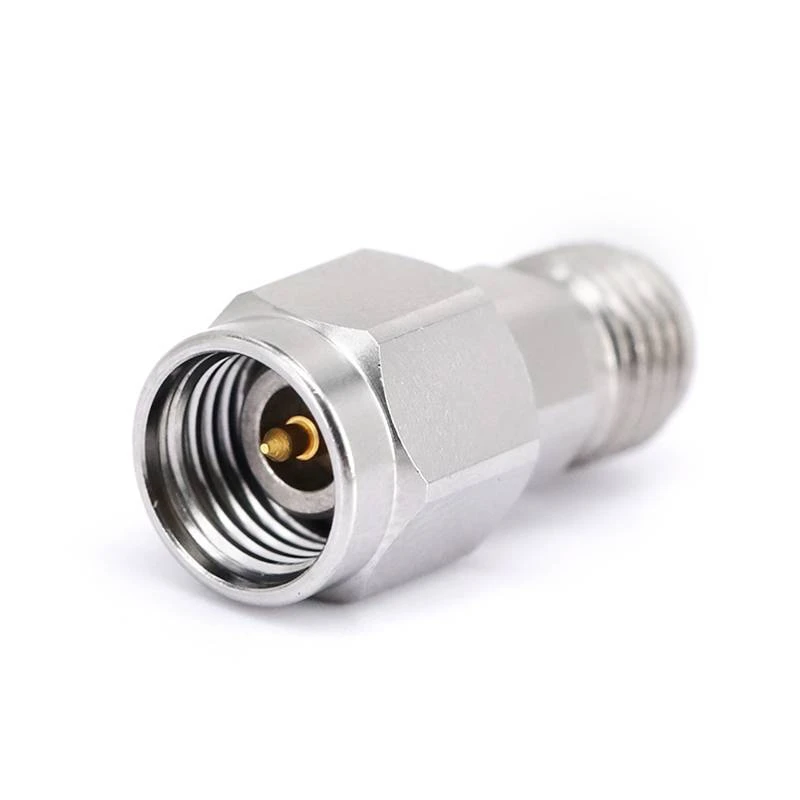

In some medical imaging equipment, such as ultrasound machines, SMA attenuators can be used to control the power of the RF signals used in the imaging process. This allows for better image quality and more precise diagnosis.
In conclusion, SMA attenuators can definitely be used in medical equipment. They offer the frequency range, power handling, accuracy, and reliability required for many medical applications. However, manufacturers need to be aware of the regulatory requirements and cost implications.
If you're in the medical equipment manufacturing industry and are interested in using SMA attenuators in your products, I'd love to have a chat with you. We can discuss your specific requirements and find the best solutions for your needs. You can explore our range of SMA Attenuators to get an idea of what we offer. Don't hesitate to reach out for more information or to start a procurement discussion.
References
- "RF and Microwave Engineering Handbook"
- "Medical Device Regulations: An International Perspective"


