

What is the installation process of an N Adapter on a laptop?
Leave a message

The installation process of an N Adapter on a laptop involves several key steps to ensure a seamless and efficient setup. As a reliable N Adapter supplier, I am well - versed in the intricacies of this process and am eager to share detailed guidance with you.
Prerequisites
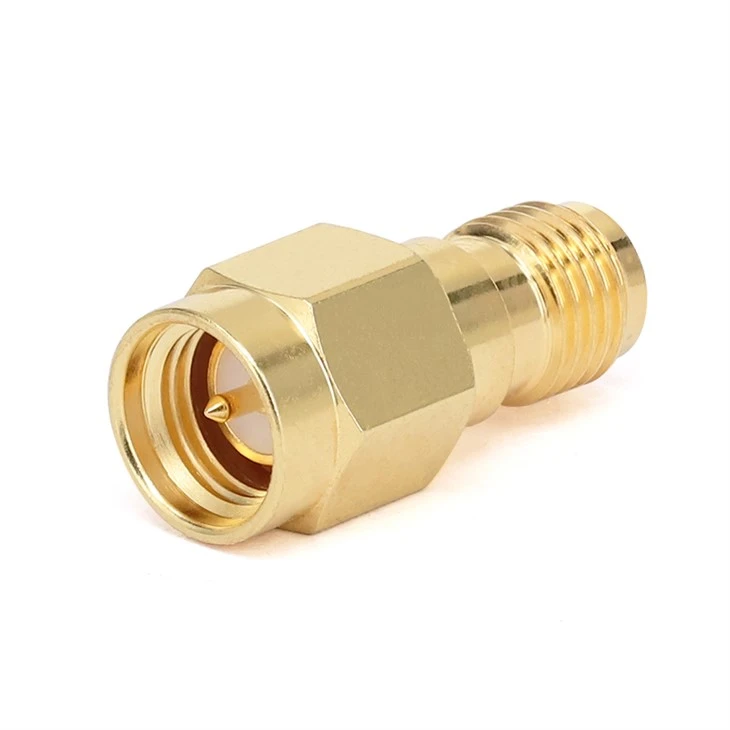
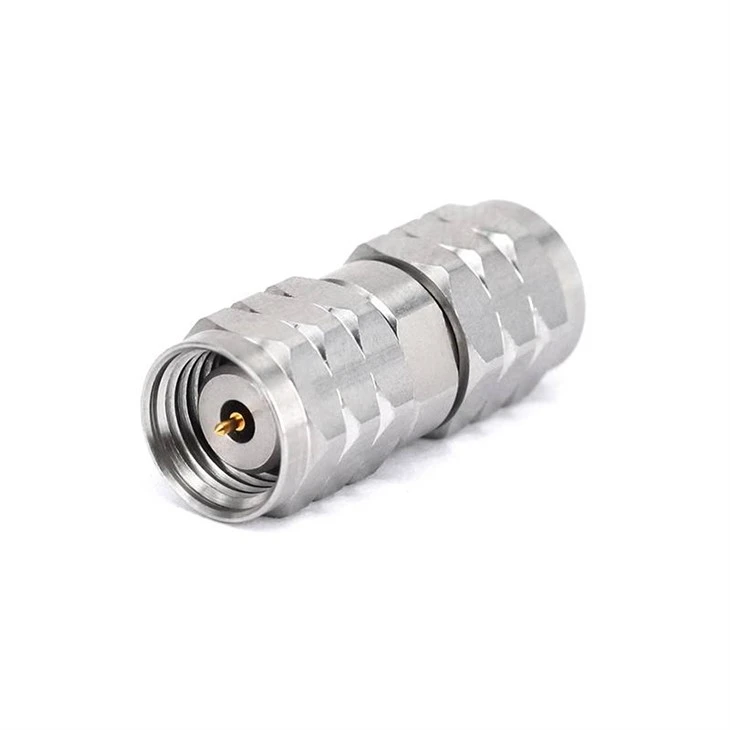
Before you start the installation, gather all the necessary tools and materials. You will need a Phillips - head screwdriver, an anti - static wrist strap to prevent electrostatic discharge (ESD) from damaging sensitive laptop components, and of course, the N Adapter itself. It's essential to choose a high - quality N Adapter from a trusted source like ours. We also offer a wide range of other adapters such as the 1.85mm Adapter, SMA Adapter, and 1.0mm Adapter to meet diverse needs.
Step 1: Prepare Your Laptop
First, shut down your laptop completely and unplug it from the power source. Remove the battery if it is removable. This step is crucial for your safety and to avoid any potential electrical hazards during the installation process. Once the laptop is powered off, place it on a clean, flat surface. Wear the anti - static wrist strap and connect it to a grounded object, such as a metal table leg. This will protect the laptop's internal components from ESD.
Step 2: Locate the Expansion Slot
Open the access panel on the bottom of your laptop. The location of the access panel may vary depending on the laptop model. Some laptops have a single large panel, while others may have multiple smaller panels. Use the Phillips - head screwdriver to remove the screws securing the access panel. Carefully lift off the panel and set it aside. Inside the laptop, look for an available expansion slot that is compatible with the N Adapter. Usually, it will be a PCIe (Peripheral Component Interconnect Express) slot. Refer to your laptop's user manual if you are unsure about the location or type of the slot.
Step 3: Insert the N Adapter
Take the N Adapter and hold it by the edges to avoid touching the electronic components on the card. Align the N Adapter with the expansion slot. Make sure the connector pins on the adapter match the slot's socket precisely. Gently insert the adapter into the slot at a 90 - degree angle. Apply even pressure until the adapter is fully seated in the slot. You may hear a slight click sound, indicating that the adapter is properly inserted.
Step 4: Secure the N Adapter
Once the N Adapter is inserted, you need to secure it in place. Some laptops have a screw - down mechanism for expansion cards. If your laptop has this feature, use the Phillips - head screwdriver to attach the adapter to the laptop's chassis using the provided screw. This will prevent the adapter from coming loose during normal use.
Step 5: Reassemble the Laptop
After securing the N Adapter, carefully place the access panel back on the laptop. Align the holes in the panel with the screw holes on the laptop chassis. Use the Phillips - head screwdriver to tighten the screws. Make sure not to overtighten the screws, as this could damage the panel or the laptop's chassis.
Step 6: Power On and Install Drivers
Plug the laptop back into the power source and insert the battery if you removed it earlier. Power on the laptop. In most cases, Windows or other operating systems will automatically detect the new N Adapter and start the driver installation process. However, it is recommended to visit the manufacturer's website to download the latest and most compatible drivers for the N Adapter. Install the drivers according to the on - screen instructions. This will ensure that the adapter functions optimally and that you can take advantage of all its features.
Step 7: Test the N Adapter
Once the drivers are installed, it's time to test the N Adapter. You can do this by running network diagnostic tools or simply trying to connect to a Wi - Fi network. Check the network settings on your laptop and look for the N Adapter in the list of available network devices. If the adapter is detected and functioning correctly, you should be able to connect to a network and browse the internet.
Troubleshooting
If you encounter any issues during the installation or testing process, here are some common solutions:
- Adapter not detected: Double - check that the adapter is properly inserted into the slot and secured. Make sure the drivers are installed correctly. You may also try removing and re - inserting the adapter.
- Network connection problems: Check the Wi - Fi settings on your laptop and make sure the N Adapter is enabled. Try restarting the router and the laptop. If the problem persists, update the adapter's drivers to the latest version.
Why Choose Our N Adapters
Our N Adapters are designed with high - quality materials and advanced technology. They offer excellent performance, including high - speed data transfer rates, stable connections, and wide compatibility with various laptops and operating systems. We have a strict quality control process to ensure that each adapter meets the highest standards. In addition to the N Adapter, our product range also includes 1.85mm Adapter, SMA Adapter, and 1.0mm Adapter, providing you with more options for your specific needs.
Contact Us for Purchase
If you are interested in purchasing our N Adapters or other related products, we encourage you to contact us for more information and to start a purchase negotiation. Our professional sales team is ready to assist you with any questions you may have about the products, pricing, and delivery options.
References
- Laptop user manuals: Different laptop models have specific instructions regarding expansion slot usage and installation processes.
- Adapter manufacturer's documentation: Each N Adapter comes with its own set of instructions and specifications.
- Online forums and communities: There are many online resources where users share their experiences and troubleshooting tips for adapter installations.


