
What is the phase tolerance of phase trimmers in mass production?
Leave a message

As a supplier of Phase Trimmers, I've been deeply involved in the industry, witnessing the critical role these components play in various electronic applications. One question that frequently arises, especially in the context of mass production, is: What is the phase tolerance of phase trimmers in mass production?
Understanding Phase Trimmers
Before delving into phase tolerance, it's essential to understand what phase trimmers are. Phase trimmers, also known as variable phase shifters, are electronic components used to adjust the phase of an electrical signal. They are widely used in radio frequency (RF) and microwave systems, such as in communication equipment, radar systems, and test and measurement instruments. Phase Trimmers come in different types, including mechanical and electronic, each with its own characteristics and applications.
The Concept of Phase Tolerance
Phase tolerance refers to the allowable deviation of the actual phase shift provided by a phase trimmer from its nominal or specified value. In other words, it indicates how much the phase shift can vary within an acceptable range. For example, if a phase trimmer is specified to provide a phase shift of 90 degrees with a tolerance of ±5 degrees, the actual phase shift it delivers can be anywhere between 85 degrees and 95 degrees.
Importance of Phase Tolerance in Mass Production
In mass production, phase tolerance is of utmost importance for several reasons. Firstly, it ensures the consistency and reliability of the final products. When thousands or even millions of phase trimmers are used in a production line, each component must perform within a predictable range to guarantee that the overall system functions as intended. If the phase tolerance is too large, it can lead to variations in the performance of the end - products, resulting in issues such as signal interference, reduced communication quality, or inaccurate measurement results.
Secondly, phase tolerance affects the compatibility of phase trimmers with other components in the system. In a complex electronic system, different components need to work together harmoniously. A phase trimmer with a large phase tolerance may not be able to interface properly with other parts, causing system malfunctions or inefficiencies.
Factors Affecting Phase Tolerance in Mass Production
Several factors can influence the phase tolerance of phase trimmers during mass production.

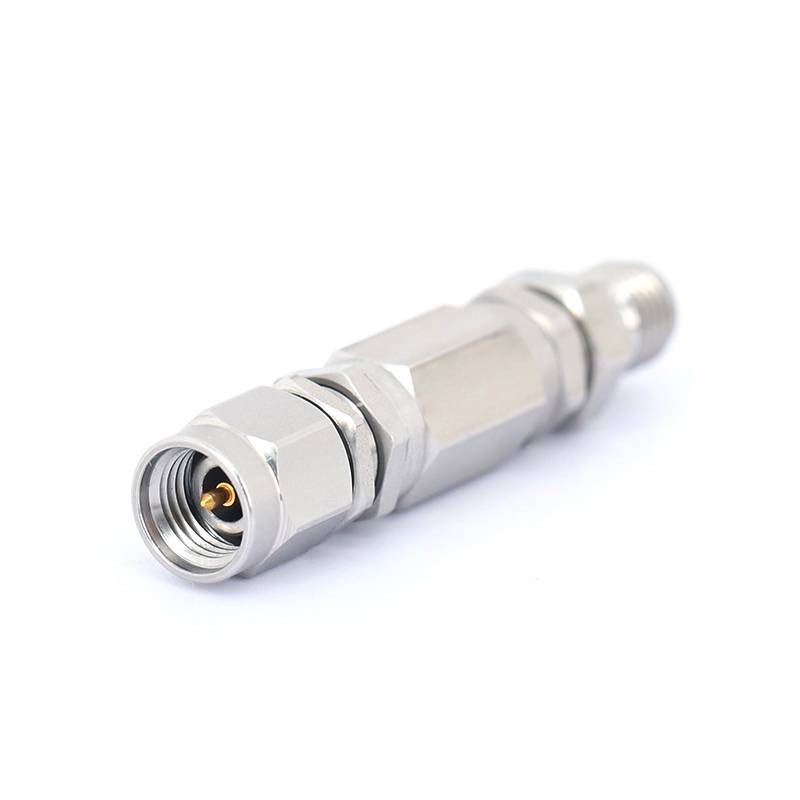
Manufacturing Processes
The manufacturing processes play a crucial role in determining the phase tolerance. For mechanical phase trimmers, the precision of the mechanical parts, such as the rotation mechanism and the contact points, can have a significant impact. Any inaccuracies in the machining or assembly of these parts can lead to variations in the phase shift. Electronic phase trimmers, on the other hand, are more sensitive to the quality of the semiconductor materials and the manufacturing techniques used in the integrated circuits. For example, variations in the doping levels of the semiconductor can affect the electrical properties of the component, resulting in phase tolerance issues.
Material Variations
The materials used in phase trimmers also contribute to phase tolerance. Different batches of materials may have slightly different electrical properties, such as dielectric constant or conductivity. These variations can cause differences in the phase shift provided by the phase trimmers. For instance, in a ceramic - based phase trimmer, the ceramic material's properties can vary from one batch to another, leading to inconsistent phase performance.
Environmental Conditions
During mass production, the environmental conditions can affect the phase tolerance. Temperature, humidity, and pressure can all have an impact on the electrical properties of the phase trimmers. For example, an increase in temperature can cause the resistance and capacitance of the components to change, which in turn affects the phase shift. To ensure consistent phase tolerance, manufacturers need to control the environmental conditions in the production facility as much as possible.
Measuring and Controlling Phase Tolerance
To ensure that the phase tolerance of phase trimmers in mass production meets the required specifications, accurate measurement and control methods are necessary.
Measurement Techniques
There are several techniques available for measuring the phase shift and phase tolerance of phase trimmers. One common method is to use a network analyzer, which can measure the scattering parameters (S - parameters) of the component. By analyzing the phase information in the S - parameters, the actual phase shift of the phase trimmer can be determined. Another approach is to use a phase - locked loop (PLL) circuit, which can compare the phase of the input and output signals of the phase trimmer and provide a measurement of the phase difference.
Quality Control Measures
Manufacturers implement various quality control measures to control the phase tolerance in mass production. Statistical process control (SPC) techniques are often used to monitor the production process and detect any trends or variations in the phase tolerance. By collecting and analyzing data from a large number of samples, manufacturers can identify potential issues early and take corrective actions. Additionally, in - line testing is carried out at different stages of the production process to ensure that each phase trimmer meets the specified phase tolerance before it is assembled into the final product.
Typical Phase Tolerance Values in Mass Production
The typical phase tolerance values for phase trimmers in mass production can vary depending on the type of phase trimmer, its application, and the manufacturing technology. For low - cost, general - purpose phase trimmers, the phase tolerance can be in the range of ±5 degrees to ±10 degrees. In high - precision applications, such as in military or aerospace systems, the phase tolerance may need to be as low as ±1 degree or even less.
Meeting Customer Requirements
As a Phase Trimmers supplier, our goal is to meet the diverse requirements of our customers. We understand that different applications have different phase tolerance needs, and we work closely with our customers to develop phase trimmers that meet their specific specifications. Whether it's a standard product with a moderate phase tolerance or a custom - designed component with extremely tight tolerance, we have the expertise and resources to deliver high - quality phase trimmers.
Conclusion
In conclusion, phase tolerance is a critical parameter for phase trimmers in mass production. It affects the performance, consistency, and compatibility of the final products. By understanding the factors that influence phase tolerance, implementing accurate measurement and control methods, and working closely with customers, we can ensure that the phase trimmers we supply meet the highest standards of quality.
If you are in need of Phase Trimmers for your mass - production projects, we invite you to contact us for a detailed discussion. Our team of experts is ready to assist you in finding the most suitable phase trimmers for your specific requirements.
References
- "RF and Microwave Circuit Design for Wireless Applications" by Chris Bowick
- "Electronic Components and Materials" by John Wilson
- Technical documents and research papers from industry - leading phase trimmer manufacturers.


