

What is the power handling capacity of SMA attenuators?
Leave a message

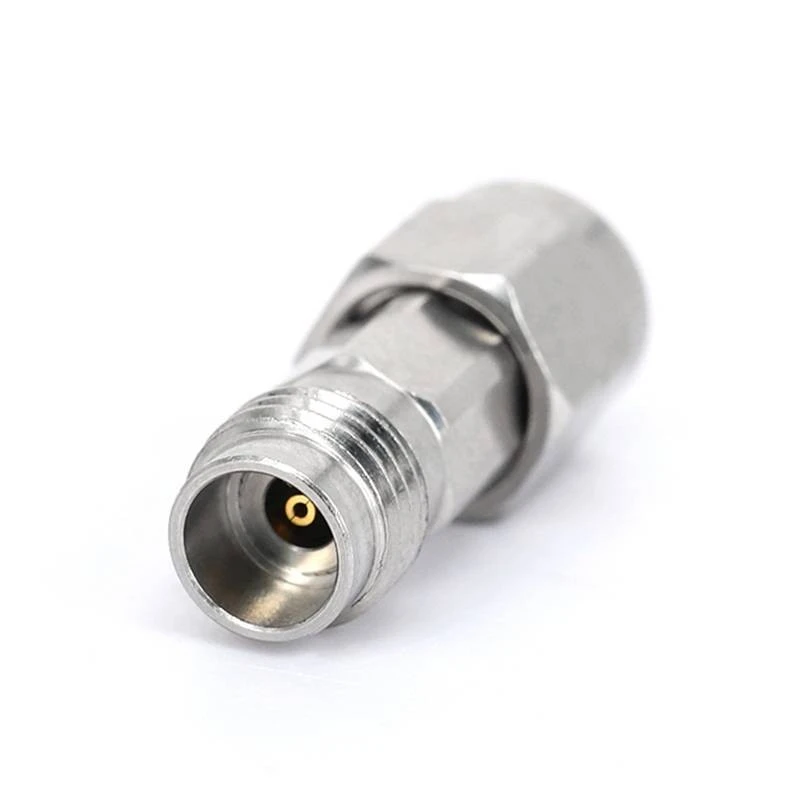
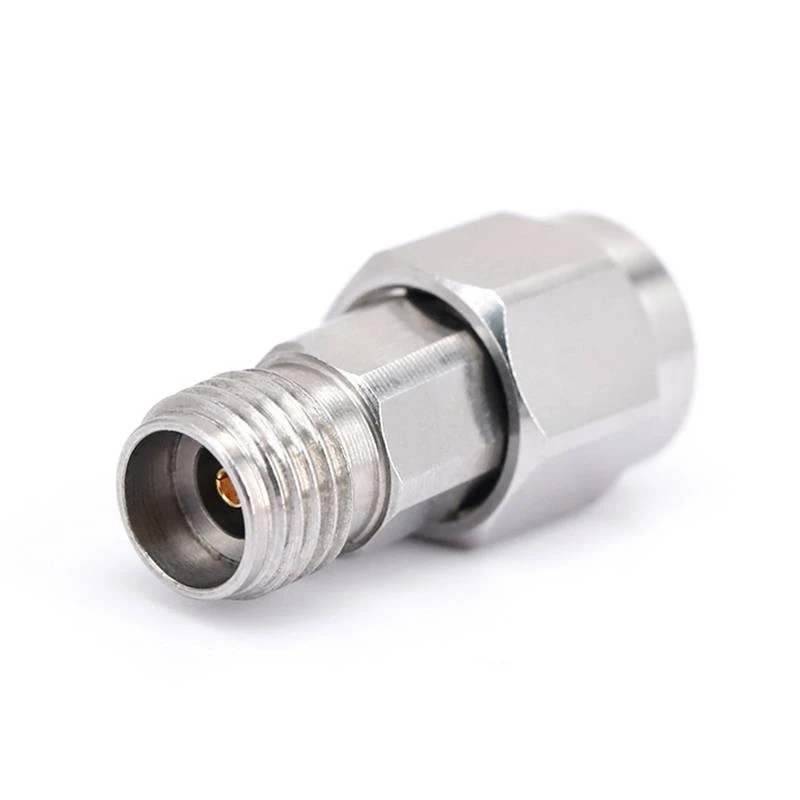
As a supplier of SMA attenuators, I often encounter customers who are curious about the power handling capacity of these crucial RF components. Understanding the power handling capacity of SMA attenuators is essential for various applications, from telecommunications to aerospace. In this blog post, I'll delve into the factors that influence the power handling capacity of SMA attenuators and provide insights to help you make informed decisions for your projects.
What is Power Handling Capacity?
Before we discuss the power handling capacity of SMA attenuators, let's first define what it means. Power handling capacity refers to the maximum amount of power that an attenuator can safely dissipate without causing damage to the device or affecting its performance. It is typically measured in watts (W) and is an important specification to consider when selecting an attenuator for a particular application.
Factors Affecting Power Handling Capacity
Several factors influence the power handling capacity of SMA attenuators. Understanding these factors can help you choose the right attenuator for your specific requirements.
1. Attenuation Value
The attenuation value of an SMA attenuator plays a significant role in determining its power handling capacity. Attenuators with higher attenuation values generally have lower power handling capacities because they dissipate more power as heat. For example, a 10 dB attenuator will typically have a higher power handling capacity than a 30 dB attenuator of the same type.
2. Frequency Range
The frequency range of an SMA attenuator also affects its power handling capacity. As the frequency increases, the power handling capacity of the attenuator tends to decrease. This is because higher frequencies can cause increased losses and heating in the attenuator, which can limit its ability to handle power. When selecting an SMA attenuator, it's important to consider the frequency range of your application and choose an attenuator that can handle the power requirements at the desired frequencies.
3. Construction and Materials
The construction and materials used in the manufacturing of SMA attenuators can also impact their power handling capacity. Attenuators with better heat dissipation properties, such as those with larger surface areas or heat sinks, can generally handle more power than those with poor heat dissipation. Additionally, the type of resistive material used in the attenuator can affect its power handling capacity. Some materials are better able to withstand high temperatures and dissipate power than others.
4. Environmental Conditions
The environmental conditions in which the SMA attenuator operates can also influence its power handling capacity. High temperatures, humidity, and vibration can all affect the performance and reliability of the attenuator. In harsh environments, it may be necessary to choose an attenuator with a higher power handling capacity or additional protection features to ensure its proper operation.
Power Handling Capacity Ratings
SMA attenuators are typically rated for power handling capacity at a specific temperature and frequency. The power handling capacity rating is usually specified in continuous wave (CW) power, which represents the maximum power that the attenuator can handle continuously without overheating. It's important to note that the power handling capacity may decrease at higher temperatures or frequencies, so it's essential to consider these factors when selecting an attenuator.
When comparing power handling capacity ratings between different SMA attenuators, it's important to ensure that the ratings are based on the same conditions. Some manufacturers may specify power handling capacity at different temperatures or frequencies, which can make it difficult to compare apples to apples. To make an accurate comparison, look for attenuators with power handling capacity ratings that are based on the same conditions as your application.
Applications and Power Requirements
The power handling capacity of SMA attenuators is an important consideration in various applications. Here are some common applications and their typical power requirements:
1. Telecommunications
In telecommunications applications, SMA attenuators are often used to control the signal strength in RF circuits. The power requirements in these applications can vary depending on the specific system and the location of the attenuator. In general, telecommunications applications typically require attenuators with power handling capacities ranging from a few milliwatts to a few watts.
2. Test and Measurement
In test and measurement applications, SMA attenuators are used to reduce the signal strength of high-power signals for accurate measurement. The power requirements in these applications can be quite high, especially when testing high-power RF equipment. Test and measurement applications may require attenuators with power handling capacities ranging from a few watts to several hundred watts.
3. Aerospace and Defense
In aerospace and defense applications, SMA attenuators are used in a variety of RF systems, including radar, communication, and electronic warfare. These applications often require attenuators with high power handling capacities and excellent performance in harsh environments. Aerospace and defense applications may require attenuators with power handling capacities ranging from a few watts to several kilowatts.
Choosing the Right SMA Attenuator
When choosing an SMA attenuator, it's important to consider the power handling capacity along with other factors such as attenuation value, frequency range, and insertion loss. Here are some tips to help you choose the right attenuator for your application:
1. Determine Your Power Requirements
The first step in choosing an SMA attenuator is to determine the power requirements of your application. Consider the maximum power that the attenuator will need to handle and choose an attenuator with a power handling capacity that exceeds this value. It's also important to consider the frequency range and environmental conditions of your application to ensure that the attenuator can perform reliably under these conditions.
2. Consider the Attenuation Value
The attenuation value of the SMA attenuator should be chosen based on the specific requirements of your application. If you need to reduce the signal strength by a large amount, you may need an attenuator with a higher attenuation value. However, keep in mind that higher attenuation values generally result in lower power handling capacities.
3. Check the Frequency Range
Make sure that the SMA attenuator you choose is suitable for the frequency range of your application. The power handling capacity of the attenuator may decrease at higher frequencies, so it's important to choose an attenuator that can handle the power requirements at the desired frequencies.
4. Look for Quality and Reliability
When selecting an SMA attenuator, it's important to choose a high-quality product from a reputable manufacturer. Look for attenuators that are made with high-quality materials and have been tested and certified to meet industry standards. A reliable attenuator will ensure consistent performance and long-term reliability in your application.
Related Products
In addition to SMA attenuators, we also offer a range of other RF attenuators, including 1.85mm Attenuators, 2.92mm Attenuators, and 2.4mm Attenuators. These attenuators are designed to meet the specific requirements of different applications and offer high performance and reliability.
Conclusion
The power handling capacity of SMA attenuators is an important consideration in various RF applications. By understanding the factors that influence power handling capacity and choosing the right attenuator for your application, you can ensure optimal performance and reliability in your RF circuits. If you have any questions or need assistance in selecting the right SMA attenuator for your project, please don't hesitate to contact us. We're here to help you find the best solution for your needs.
References
- Pozar, D. M. (2011). Microwave Engineering (4th ed.). Wiley.
- Collin, R. E. (2001). Foundations for Microwave Engineering (2nd ed.). Wiley.
- Vendelin, G. D., Pavio, A. M., & Rohde, U. L. (1990). Microwave Circuit Design Using Linear and Nonlinear Techniques. Wiley.


