
What is the temperature stability of phase trimmers?
Leave a message

Temperature stability is a critical parameter when it comes to phase trimmers, which are essential components in various RF and microwave applications. As a trusted supplier of Phase Trimmers, we understand the significance of temperature stability and its impact on the performance of these devices. In this blog, we will delve into the concept of temperature stability in phase trimmers, exploring what it means, why it matters, and how it is measured.
What is Temperature Stability in Phase Trimmers?
Temperature stability refers to the ability of a phase trimmer to maintain its specified performance characteristics over a range of operating temperatures. In the context of phase trimmers, this primarily involves the phase shift and insertion loss remaining relatively constant as the temperature changes. A phase trimmer with good temperature stability will exhibit minimal variations in phase shift and insertion loss, ensuring consistent performance regardless of the ambient temperature.
Phase trimmers are often used in applications where precise phase control is required, such as in phased array antennas, RF communication systems, and test and measurement equipment. In these applications, even small variations in phase shift due to temperature changes can have a significant impact on the overall system performance. For example, in a phased array antenna, a temperature-induced phase shift can cause beam steering errors, leading to reduced antenna gain and coverage.
Why Does Temperature Stability Matter?
The importance of temperature stability in phase trimmers cannot be overstated. Here are some key reasons why it matters:
1. System Performance and Reliability
In many RF and microwave systems, the performance of the entire system depends on the accurate and stable operation of individual components, including phase trimmers. A phase trimmer with poor temperature stability can introduce phase errors and signal degradation, which can compromise the overall system performance and reliability. By using phase trimmers with good temperature stability, system designers can ensure that their systems operate consistently and reliably under different temperature conditions.
2. Environmental Adaptability
RF and microwave systems are often deployed in a wide range of environments, from extreme cold to high heat. In these environments, the temperature can vary significantly, and phase trimmers need to be able to withstand these temperature variations without significant performance degradation. Temperature-stable phase trimmers are essential for ensuring that these systems can operate effectively in harsh environmental conditions.
3. Cost-Effectiveness
Using phase trimmers with good temperature stability can also lead to cost savings in the long run. By reducing the need for frequent calibration and adjustment due to temperature-induced performance variations, system designers can lower the overall maintenance costs of their systems. Additionally, temperature-stable phase trimmers can help to improve the yield and quality of the manufacturing process, reducing the number of defective products and associated costs.
How is Temperature Stability Measured?
The temperature stability of phase trimmers is typically measured by specifying the temperature coefficient of phase shift (TCPS) and the temperature coefficient of insertion loss (TCIL). These coefficients quantify the change in phase shift and insertion loss per degree Celsius of temperature change.
Temperature Coefficient of Phase Shift (TCPS)
The TCPS is defined as the change in phase shift (in degrees) per degree Celsius of temperature change. It is usually expressed in units of degrees per degree Celsius (°/°C) or parts per million per degree Celsius (ppm/°C). A lower TCPS value indicates better temperature stability, as it means that the phase shift changes less with temperature.
Temperature Coefficient of Insertion Loss (TCIL)
The TCIL is defined as the change in insertion loss (in decibels) per degree Celsius of temperature change. It is typically expressed in units of decibels per degree Celsius (dB/°C) or parts per million per degree Celsius (ppm/°C). Similar to the TCPS, a lower TCIL value indicates better temperature stability, as it means that the insertion loss changes less with temperature.
To measure the TCPS and TCIL of a phase trimmer, the device is typically tested over a specified temperature range, such as -40°C to +85°C. The phase shift and insertion loss are measured at multiple temperature points within this range, and the TCPS and TCIL are calculated based on the measured data.
Factors Affecting Temperature Stability
Several factors can affect the temperature stability of phase trimmers. Understanding these factors can help system designers select the most suitable phase trimmers for their applications.

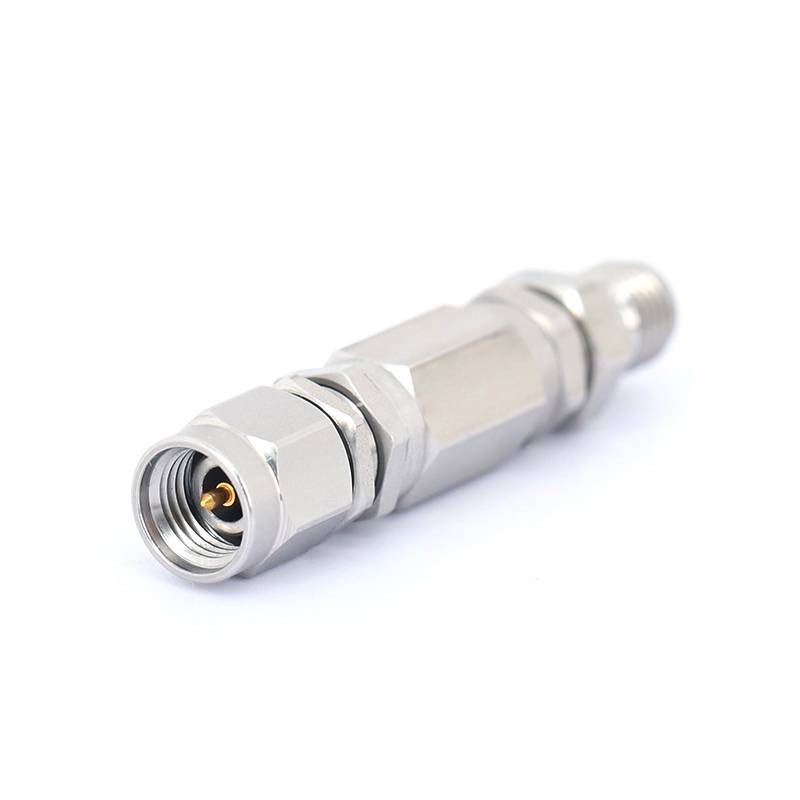
1. Material Properties
The materials used in the construction of phase trimmers play a crucial role in determining their temperature stability. For example, the dielectric material used in the capacitor section of a phase trimmer can have a significant impact on its TCPS and TCIL. Materials with low temperature coefficients, such as certain ceramics and polymers, are often preferred for high-temperature-stability applications.
2. Design and Construction
The design and construction of phase trimmers can also affect their temperature stability. For example, the layout of the circuit and the way the components are mounted can influence the thermal characteristics of the device. A well-designed phase trimmer will minimize thermal stress and ensure uniform heat distribution, which can help to improve temperature stability.
3. Manufacturing Processes
The manufacturing processes used to produce phase trimmers can also have an impact on their temperature stability. For example, the quality of the soldering and assembly processes can affect the mechanical and electrical properties of the device, which in turn can affect its temperature stability. A high-quality manufacturing process will ensure that the phase trimmers are produced with consistent performance and temperature stability.
Our Phase Trimmers and Temperature Stability
As a leading supplier of Phase Trimmers, we are committed to providing our customers with high-quality products that offer excellent temperature stability. Our phase trimmers are designed and manufactured using advanced materials and processes to ensure minimal variations in phase shift and insertion loss over a wide temperature range.
We offer a wide range of phase trimmers with different temperature stability specifications to meet the diverse needs of our customers. Whether you need a phase trimmer for a high-precision application in a harsh environment or a cost-effective solution for a less demanding application, we have the right product for you.
Contact Us for Your Phase Trimmer Needs
If you are looking for phase trimmers with excellent temperature stability, look no further. Our team of experts is ready to assist you in selecting the most suitable phase trimmers for your applications. We can provide you with detailed product information, technical support, and customized solutions to meet your specific requirements.
Whether you are a system designer, an engineer, or a procurement professional, we invite you to contact us to discuss your phase trimmer needs. We are confident that our high-quality products and exceptional customer service will exceed your expectations.
References
- Pozar, D. M. (2011). Microwave Engineering (4th ed.). Wiley.
- Collin, R. E. (2001). Foundations for Microwave Engineering. Wiley.
- Gupta, K. C., et al. (1996). Microstrip Lines and Slotlines. Artech House.


