How to select Low Noise Amplifier (LNA)
Leave a message
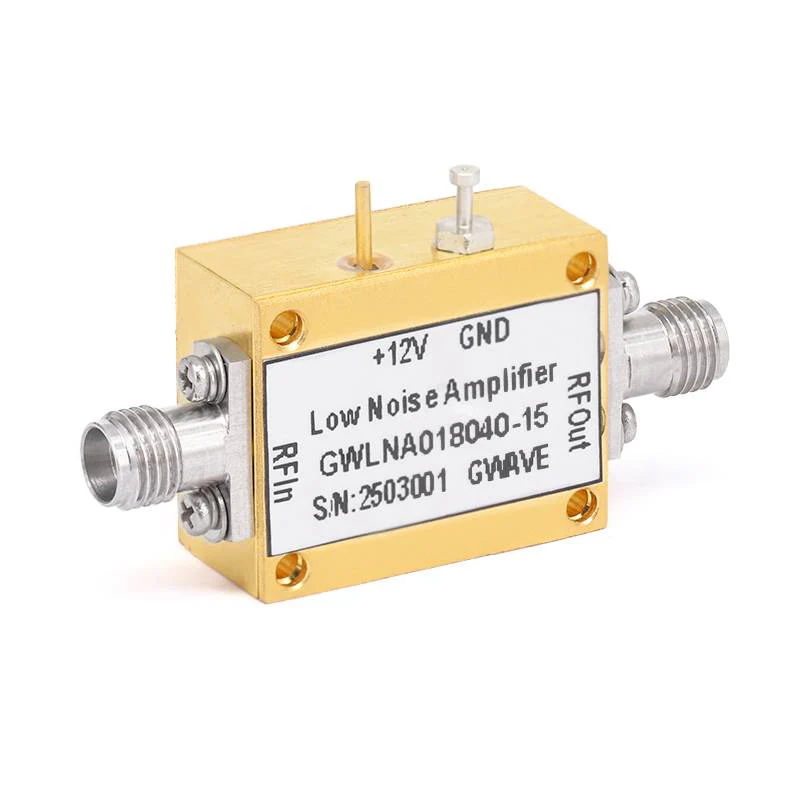
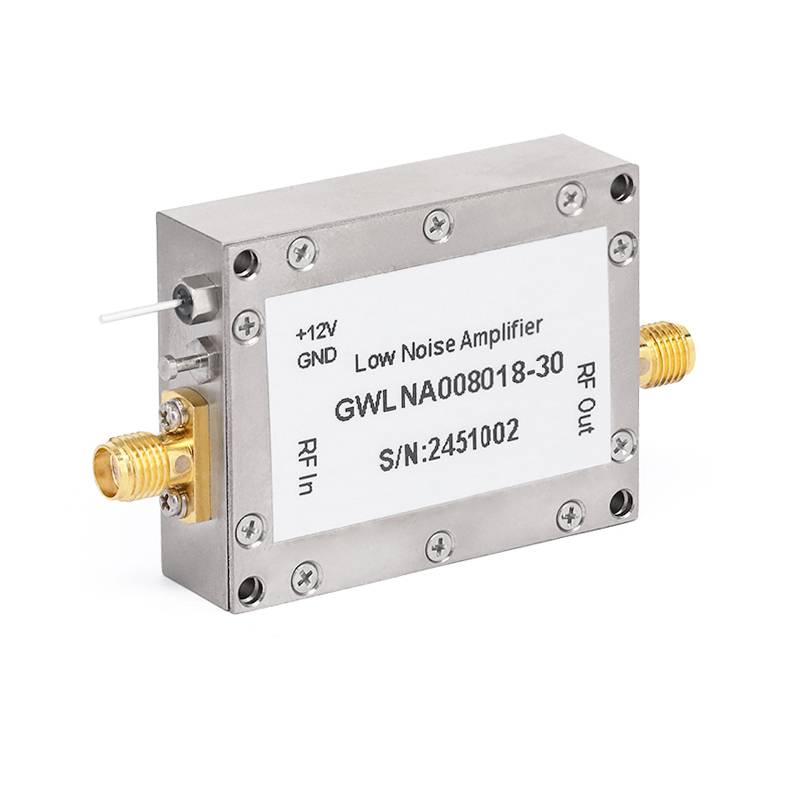
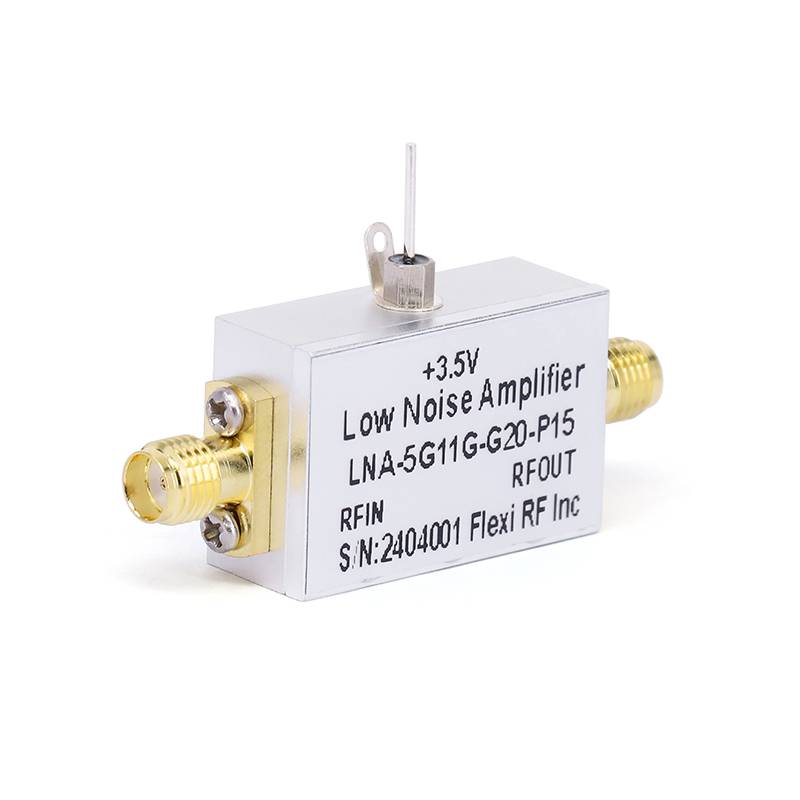
Selecting a Low Noise Amplifier (LNA) requires careful consideration of its performance parameters, application requirements, and environmental constraints. LNAs are critical in RF/microwave systems (e.g., communication, radar, satellite reception) as they amplify weak signals while minimizing added noise, directly impacting system sensitivity. Below is a step-by-step guide to selecting an LNA:
Key technical specifications of low-noise amplifiers
1. Noise Figure (NF)
The so-called noise figure measures the amplifier's ability to suppress noise generation. As the device of the first stage of the receiving link, the LNA's own noise figure has the greatest impact on the total noise of the system, and the lower the noise figure value, the less noise it produces.
2. Gain
The ratio of gain output power to input power is usually expressed in (dB). The gain size is sufficient, not the bigger the better. When designing, it is necessary to comprehensively weigh factors such as noise figure, linearity, stability, and power consumption. Gain flatness: The fluctuation range of gain in the operating frequency band, the smaller the flatness, the better, and the smaller the signal distortion. At the same time, the stable gain when the input signal is not saturated should avoid harmonic interference caused by nonlinearity.
3. Linearity
Linearity is a measure of the degree of distortion when low noise is placed when processing large signals, and the core metrics include: Compression point (P1dB): The input/output power when the gain is reduced by 1 dB compared to the linear gain. The higher the P1dB, the better the amplifier's ability to handle strong signals
4. VSWR
VSWR is a measure of the degree of port matching, and too large VSWR will cause severe signal reflection, reduce gain efficiency, and even cause amplifier instability
5. Bandwidth
The amplifier requires the operating frequency range, which must meet the requirements of gain, noise figure and other indicators. The wider the operating bandwidth, the more complex the design and the resulting noise figure.
Summary
Selecting an LNA involves:
Defining frequency, signal strength, and system constraints.
Prioritizing noise figure, gain, and linearity based on application.
Verifying impedance matching, stability, and power efficiency.
Considering environmental factors and cost.