

Why Vector Network Analyzer (VNA) test cables are often expensive
Leave a message
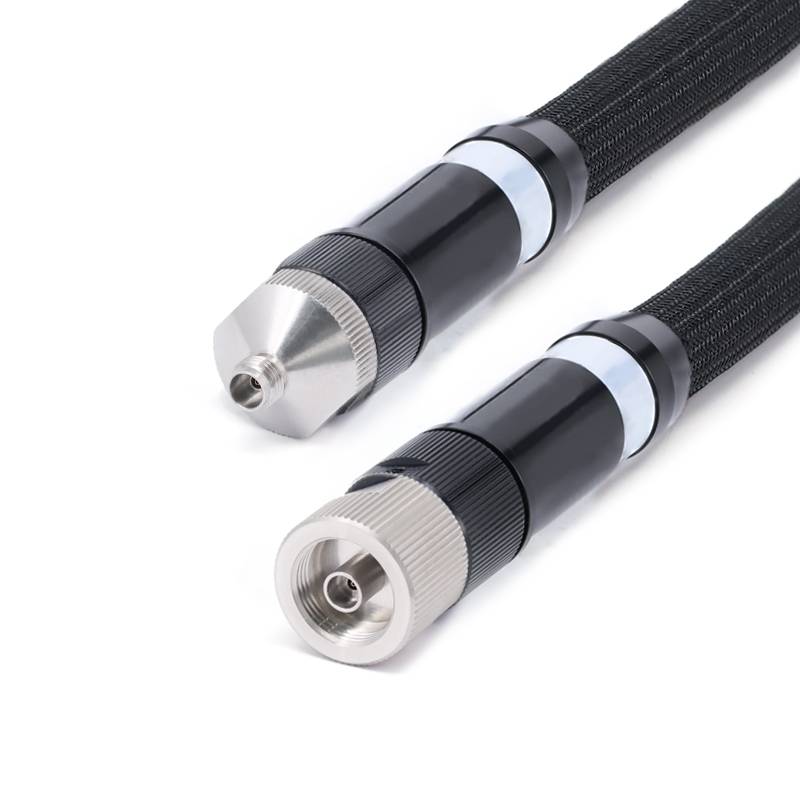
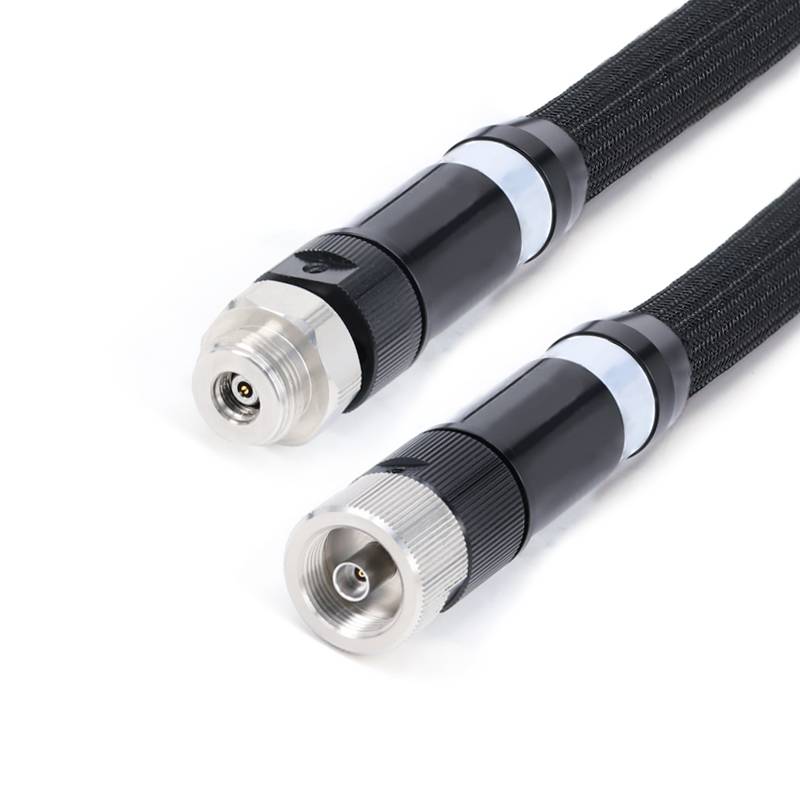
Vector Network Analyzer (VNA) test cables are often expensive due to a combination of stringent performance requirements, high-quality materials, precision manufacturing, and specialized design considerations. Below is a detailed breakdown of the key factors driving their cost:
1. Stringent Electrical Performance Requirements
VNA measurements demand extreme accuracy, especially for parameters like S-parameters , phase, and insertion loss. To meet these demands, test cables must satisfy rigorous electrical specifications:
Impedance Matching: Most RF/microwave systems use 50Ω impedance. Any deviation from this value causes signal reflections, distorting measurements. Test cables require precise control of impedance across their entire length, achieved through meticulous design of conductor geometry and dielectric materials. This precision adds complexity to manufacturing.
Low Insertion Loss: At high frequencies ( >18 GHz), signal attenuation in cables must be minimized to preserve measurement dynamic range. This requires:
High-purity conductors (oxygen-free copper or silver-plated copper) to reduce resistive losses.
Low-loss dielectric materials ( PTFE or foam PTFE) with stable dielectric constants, which are more expensive than standard plastics.
Phase Stability: VNA measurements rely on consistent phase response, even when the cable is bent or subjected to temperature changes. Achieving phase stability requires specialized construction ( tightly controlled dielectric thickness, strain-relief designs) to minimize phase drift, increasing manufacturing complexity.
2. Superior Mechanical Durability
Test cables are subjected to frequent handling: bending, twisting, and repeated connection/disconnection. To withstand this wear while maintaining performance, they require:
Robust Construction: Reinforced jackets protect internal components from damage.
Fatigue-Resistant Conductors: Stranded or braided conductors (instead of solid wires) resist breakage from repeated flexing, adding material costs.
Precision Connectors: High-frequency connectors (N, 3.5mm, 2.92mm, 1.85mm) require sub-micron manufacturing tolerances to ensure low reflection (VSWR) and reliable mating. These connectors are often machined from high-grade stainless steel , driving up costs.
3. Advanced Shielding
At high frequencies, electromagnetic interference (EMI) and signal leakage can corrupt measurements. To prevent this, test cables use multi-layer shielding:
Dual or Triple Shielding: Combinations of foil wraps, braided copper shields, and conductive tapes provide >90% coverage, blocking external EMI and containing internal signals.
360° Shield Continuity: The shield must seamlessly connect to the connector's shell to avoid "ground loops" or interference. Achieving this requires precise crimping or soldering, a labor-intensive process.
4. Environmental Durability
VNA cables need to withstand harsh conditions in laboratory, factory, or field testing:
Flexibility and Robustness: They must withstand repeated bending, twisting, and abrasion without degradation in performance. This requires enhanced internal support designs and durable sheathing.
Temperature and Weather Resistance: Materials must remain stable under a wide temperature range, humid environments, and exposure to chemicals (such as oils and solvents). Therefore, expensive engineering plastics and elastomers are used


