
Are Coax Connectors available in different styles?
Leave a message

In the dynamic realm of electronics, the significance of Coax Connectors cannot be overstated. As a dedicated Coax Connectors supplier, I've witnessed firsthand the diverse needs of industries and the pivotal role these connectors play in ensuring seamless communication and efficient signal transmission. One question that frequently arises is, "Are Coax Connectors available in different styles?" The resounding answer is yes, and in this blog, we'll delve into the various styles of Coax Connectors, their unique features, and applications.
The Diversity of Coax Connector Styles
Coax Connectors come in a wide array of styles, each designed to meet specific requirements in different applications. These styles vary in terms of size, impedance, frequency range, and coupling mechanism. Understanding these differences is crucial for selecting the right connector for your project.
BNC Connectors
BNC (Bayonet Neill-Concelman) connectors are one of the most widely used types of Coax Connectors. They are known for their quick and easy bayonet coupling mechanism, which provides a secure connection with a simple twist. BNC connectors are commonly used in video applications, test equipment, and radio frequency (RF) systems. Their popularity stems from their reliability, durability, and ability to handle frequencies up to several gigahertz.
SMA Connectors
SMA (SubMiniature version A) connectors are another popular choice, especially in high-frequency applications. They feature a threaded coupling mechanism, which offers a more secure connection than BNC connectors. SMA connectors are commonly used in microwave and RF systems, including wireless communication devices, satellite systems, and test equipment. They are available in both 50-ohm and 75-ohm impedance versions, making them suitable for a wide range of applications.
SMB Connectors
SMB (SubMiniature version B) connectors are similar to SMA connectors but are smaller in size. They are designed for applications where space is limited, such as in printed circuit boards (PCBs). SMB connectors feature a snap-on coupling mechanism, which allows for quick and easy installation. They are commonly used in RF and microwave applications, including wireless communication devices, cellular phones, and GPS systems.
Type N Connectors
Type N connectors are larger and more robust than BNC, SMA, and SMB connectors. They are designed for high-power and high-frequency applications, such as in radar systems, satellite communication, and military equipment. Type N connectors feature a threaded coupling mechanism, which provides a secure and reliable connection. They are available in both 50-ohm and 75-ohm impedance versions, making them suitable for a wide range of applications.
TNC Connectors
TNC (Threaded Neill-Concelman) connectors are a variation of BNC connectors. They feature a threaded coupling mechanism, which offers a more secure connection than BNC connectors. TNC connectors are commonly used in RF and microwave applications, including wireless communication devices, cellular phones, and GPS systems. They are available in both 50-ohm and 75-ohm impedance versions, making them suitable for a wide range of applications.
Applications of Different Coax Connector Styles
The choice of Coax Connector style depends on the specific requirements of the application. Here are some common applications for different Coax Connector styles:
Video Applications
In video applications, BNC connectors are the most commonly used type of Coax Connector. They are used to connect video cameras, monitors, and other video equipment. BNC connectors provide a reliable and secure connection, ensuring high-quality video transmission.
Wireless Communication
In wireless communication applications, SMA, SMB, and TNC connectors are commonly used. These connectors are used to connect antennas, transceivers, and other wireless devices. They are designed to handle high frequencies and provide a reliable and secure connection, ensuring efficient signal transmission.
Test and Measurement
In test and measurement applications, BNC, SMA, and Type N connectors are commonly used. These connectors are used to connect test equipment, such as oscilloscopes, spectrum analyzers, and network analyzers, to electronic devices. They are designed to provide accurate and reliable measurements, ensuring the quality and performance of electronic devices.
Military and Aerospace
In military and aerospace applications, Type N and TNC connectors are commonly used. These connectors are designed to withstand harsh environments, including high temperatures, vibrations, and shock. They are used in radar systems, satellite communication, and other military and aerospace applications.
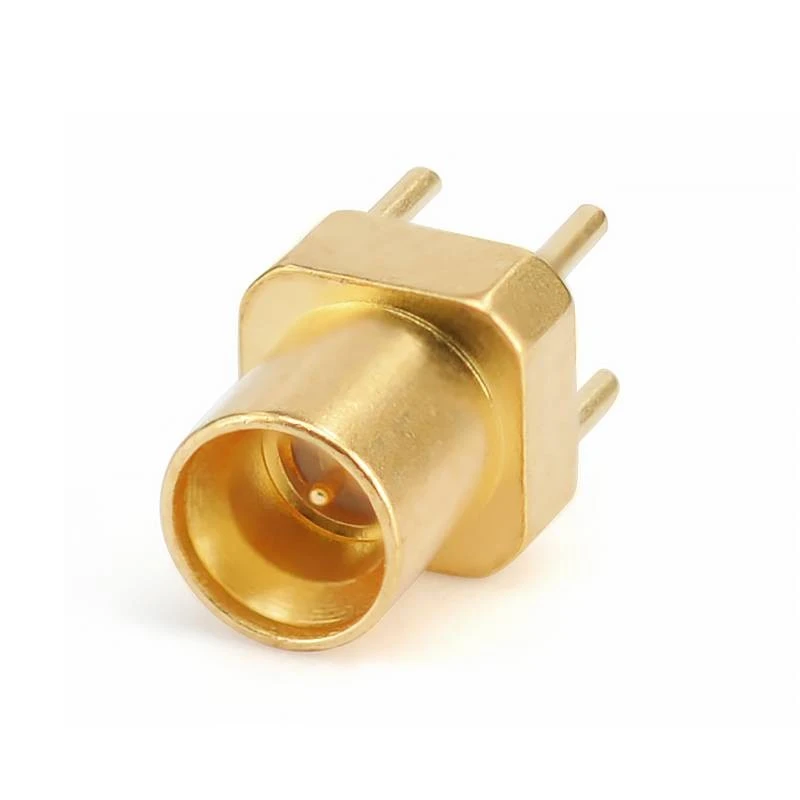
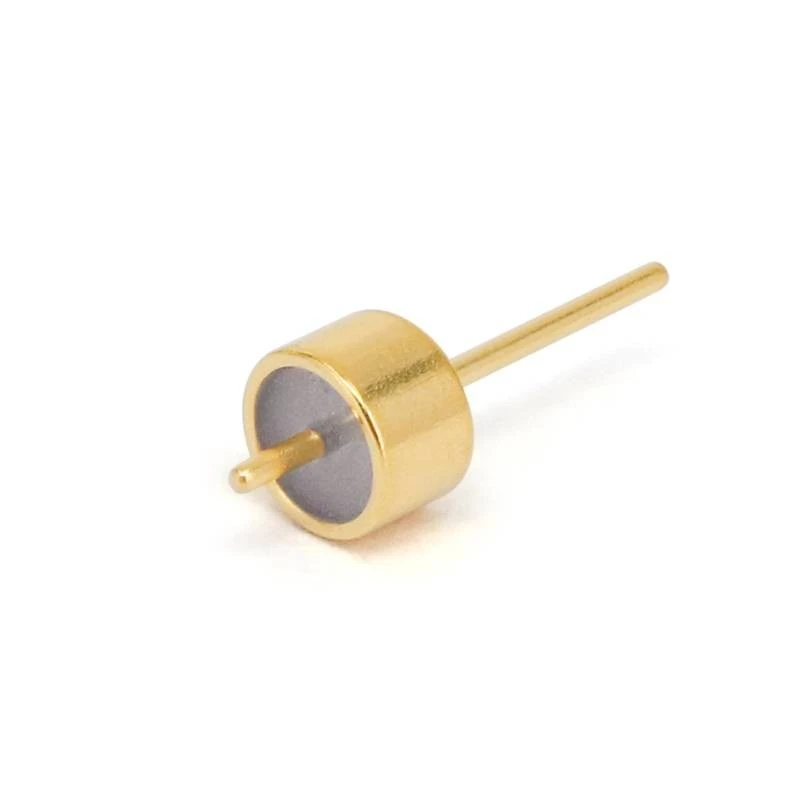
The Role of PCB Connectors and Glass Beads
In addition to Coax Connectors, PCB Connectors and Glass Beads also play important roles in electronic systems. PCB Connectors are used to connect electronic components to printed circuit boards, while Glass Beads are used to provide electrical insulation and mechanical support in Coax Connectors.
PCB Connectors come in a variety of styles, including surface mount, through-hole, and edge mount connectors. They are designed to provide a reliable and secure connection between electronic components and printed circuit boards. Glass Beads, on the other hand, are made of high-quality glass materials and are used to provide electrical insulation and mechanical support in Coax Connectors. They help to reduce signal loss and improve the performance of Coax Connectors.
Choosing the Right Coax Connector
When choosing a Coax Connector, it's important to consider several factors, including the application requirements, frequency range, impedance, and environmental conditions. Here are some tips to help you choose the right Coax Connector:
Consider the Application Requirements
The first step in choosing a Coax Connector is to consider the application requirements. Different applications have different requirements in terms of frequency range, impedance, and power handling. For example, video applications typically require a 75-ohm impedance connector, while RF and microwave applications typically require a 50-ohm impedance connector.
Determine the Frequency Range
The frequency range of the Coax Connector is another important factor to consider. Different connectors are designed to handle different frequency ranges. For example, BNC connectors are suitable for frequencies up to several gigahertz, while Type N connectors are suitable for frequencies up to 18 gigahertz or higher.
Choose the Right Impedance
The impedance of the Coax Connector is also an important factor to consider. Different applications require different impedance values. For example, most RF and microwave applications require a 50-ohm impedance connector, while video applications typically require a 75-ohm impedance connector.
Consider the Environmental Conditions
The environmental conditions in which the Coax Connector will be used are also an important factor to consider. Different connectors are designed to withstand different environmental conditions, such as temperature, humidity, and vibration. For example, military and aerospace applications typically require connectors that can withstand harsh environments, including high temperatures, vibrations, and shock.
Conclusion
In conclusion, Coax Connectors are available in a wide variety of styles, each designed to meet specific requirements in different applications. As a Coax Connectors supplier, I understand the importance of providing high-quality connectors that meet the diverse needs of our customers. Whether you're looking for a BNC connector for a video application, an SMA connector for a wireless communication device, or a Type N connector for a military or aerospace application, we have the right connector for you.
If you're interested in learning more about our Coax Connectors or need help choosing the right connector for your project, please don't hesitate to contact us. Our team of experts is here to assist you and ensure that you get the best possible solution for your needs.
References
- "Coaxial Connectors: Types, Applications, and Selection Guide." Electronics Notes.
- "RF Connectors: A Comprehensive Guide." Microwaves101.
- "BNC Connectors: The Basics." Tech-FAQ.


