
Are glass beads fragile?
Leave a message

Are glass beads fragile? This is a question that often comes up when people consider using glass beads for various applications. As a supplier of glass beads, I've encountered this query numerous times from customers across different industries. In this blog, I'll delve into the topic, exploring the factors that determine the fragility of glass beads and their practical uses in different scenarios.
Understanding the Nature of Glass Beads
Glass beads are made from various types of glass, each with its own unique properties. The most common types include soda - lime glass, borosilicate glass, and lead glass. Soda - lime glass is the most widely used due to its relatively low cost and ease of production. It is commonly found in everyday glass products such as windows and bottles. Borosilicate glass, on the other hand, has a higher resistance to thermal shock and chemical corrosion, making it suitable for applications in laboratories and high - temperature environments. Lead glass, known for its high refractive index, is often used in decorative items and optical applications.
The fragility of glass beads is closely related to the type of glass they are made from. Soda - lime glass beads are generally more prone to breakage compared to borosilicate glass beads. This is because soda - lime glass has a lower melting point and a higher coefficient of thermal expansion. When exposed to sudden temperature changes or mechanical stress, soda - lime glass beads are more likely to crack or shatter. Borosilicate glass beads, with their superior thermal and chemical resistance, can withstand more extreme conditions without breaking.
Factors Affecting the Fragility of Glass Beads
1. Manufacturing Process
The way glass beads are manufactured can significantly impact their fragility. During the production process, factors such as the cooling rate, the presence of impurities, and the uniformity of the glass structure can all affect the strength of the beads. For example, if the glass is cooled too quickly, it can create internal stresses within the bead, making it more likely to break under stress. Impurities in the glass can also act as weak points, increasing the risk of fracture.
2. Size and Shape
The size and shape of glass beads also play a role in their fragility. Smaller beads are generally more fragile than larger ones because they have a higher surface - to - volume ratio. This means that they are more susceptible to surface damage, which can lead to cracks and breakage. Irregularly shaped beads are also more likely to break than spherical beads because they have uneven stress distribution.
3. Environmental Conditions
The environment in which glass beads are used can have a significant impact on their fragility. High - humidity environments can cause the glass to absorb moisture, which can weaken the structure of the beads over time. Exposure to chemicals, such as acids and alkalis, can also corrode the glass, making it more brittle. In addition, mechanical stress, such as impact or abrasion, can cause the beads to break.
Practical Applications and Fragility Considerations
1. Decorative Purposes
Glass beads are widely used in the jewelry and craft industries for their aesthetic appeal. In these applications, the fragility of the beads is often a secondary concern compared to their appearance. However, it is still important to handle them with care to avoid breakage. For example, when using glass beads in jewelry making, it is recommended to use a soft cloth to clean them and to store them in a protective case.
2. Industrial Applications
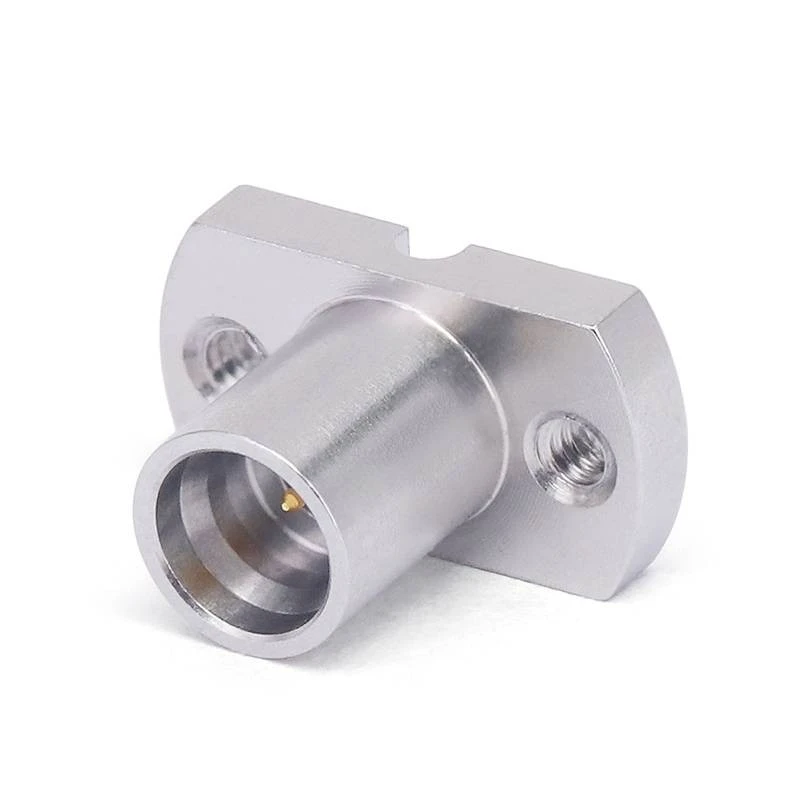
In industrial applications, the fragility of glass beads can be a critical factor. For example, in the sandblasting industry, glass beads are used to clean and polish surfaces. In this case, the beads need to be strong enough to withstand the high - pressure impact without breaking. End Launch Connectors are also used in some industrial setups, and the environment where glass beads and these connectors co - exist needs to be carefully considered to ensure the integrity of both.
3. Medical and Laboratory Use
In medical and laboratory settings, glass beads are often used in various procedures. For example, they can be used as carriers for biological samples or as components in laboratory equipment. In these applications, the beads need to be sterile and have a high level of chemical and thermal resistance. Borosilicate glass beads are often preferred in these settings due to their superior properties. Additionally, Field Replaceable Connectors might be used in the associated equipment, and the compatibility with glass beads and the overall system's durability are important considerations.
Protecting Glass Beads from Damage
To minimize the risk of breakage, there are several steps that can be taken when handling and storing glass beads. When transporting glass beads, it is important to use appropriate packaging materials, such as foam or bubble wrap, to cushion the beads and protect them from impact. When storing glass beads, they should be kept in a dry, cool place away from direct sunlight and sources of heat. It is also a good idea to separate the beads by size and type to prevent them from rubbing against each other and causing damage.
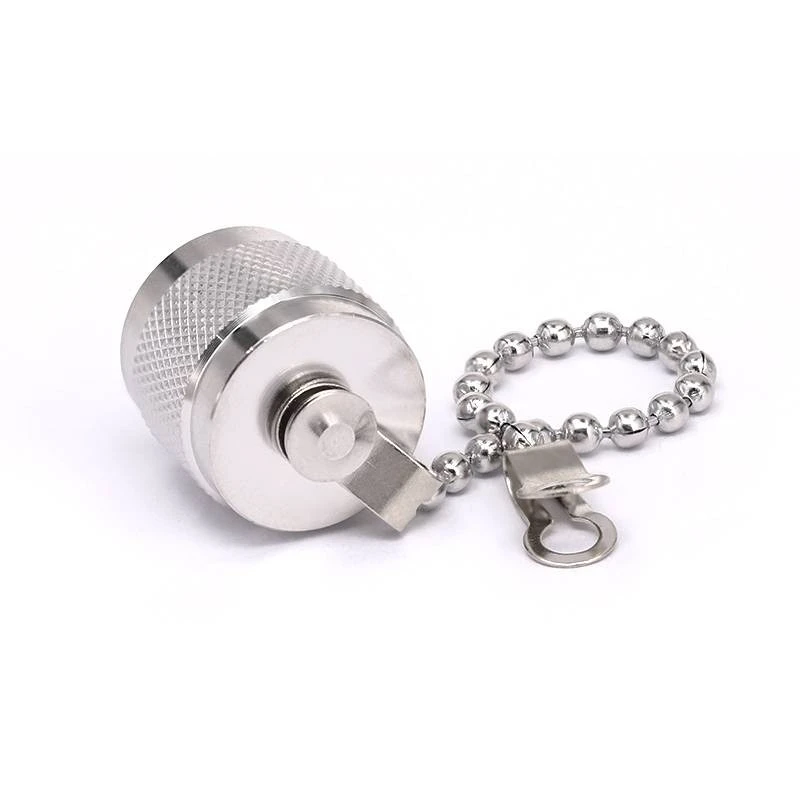
Connector Dust Caps can be used in related equipment setups to protect the connectors from dust and debris, which in turn can help maintain the overall stability of the system where glass beads are also a part.
Conclusion
In conclusion, whether glass beads are fragile depends on a variety of factors, including the type of glass, the manufacturing process, the size and shape of the beads, and the environmental conditions in which they are used. While glass beads can be relatively fragile in some situations, they also offer many advantages, such as their aesthetic appeal, chemical resistance, and thermal properties.
As a supplier of glass beads, I understand the importance of providing high - quality products that meet the specific needs of my customers. Whether you are using glass beads for decorative purposes, industrial applications, or medical and laboratory use, I can offer a wide range of glass beads with different properties to suit your requirements.
If you are interested in purchasing glass beads for your project, I invite you to contact me for more information. We can discuss your specific needs and I'll be happy to provide you with a quote and samples. Let's work together to find the perfect glass beads for your application.
References
- "Glass Science and Technology" by D. R. Uhlmann and N. J. Kreidl
- "Handbook of Glass Properties" edited by M. Tomozawa and R. H. Doremus
- Industry reports on glass bead manufacturing and applications


