

Can an RF adapter be used with an RF connector?
Leave a message

In the realm of radio frequency (RF) technology, the compatibility between RF adapters and RF connectors is a topic of significant interest. As an RF adapter supplier, I've encountered numerous inquiries regarding this very issue. In this blog post, I'll delve into the technical aspects, practical applications, and limitations of using an RF adapter with an RF connector.
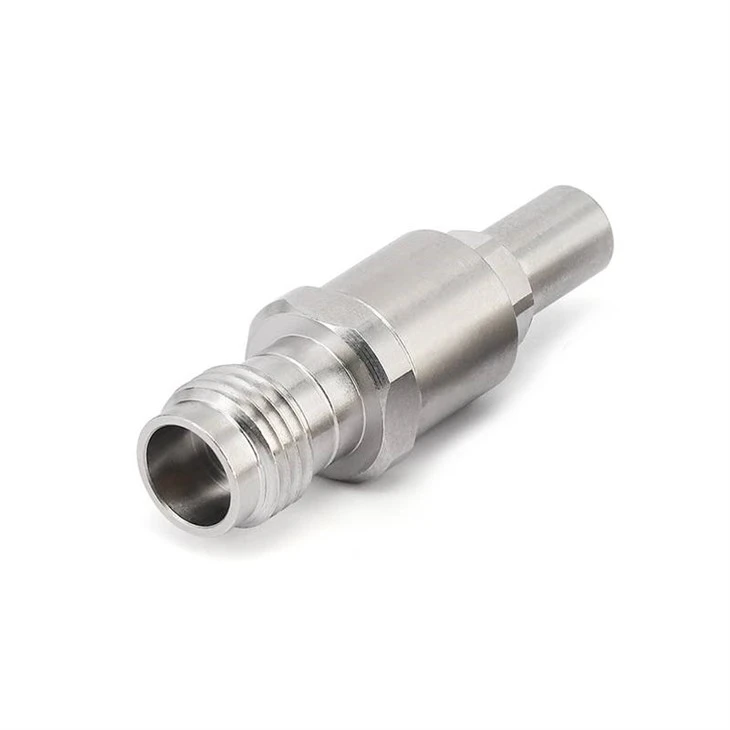

Understanding RF Adapters and Connectors
Before we discuss their compatibility, let's first understand what RF adapters and connectors are. RF connectors are used to join cables to other cables, instruments, or devices in RF systems. They are designed to maintain the electrical characteristics of the RF signal, such as impedance, throughout the connection. Common types of RF connectors include SMA, BNC, and N connectors, each with its own specific design and performance characteristics.
On the other hand, RF adapters are used to connect two different types of RF connectors. They act as a bridge between incompatible connectors, allowing for flexibility in system design and component selection. For example, an SMA to BNC adapter can be used to connect an SMA - terminated cable to a device with a BNC connector.
Compatibility Factors
The compatibility between an RF adapter and an RF connector depends on several key factors:
1. Connector Type
The most obvious factor is the physical type of the connector. RF adapters are designed to match specific connector types. For instance, if you have a device with an SMA connector and you want to connect it to a cable with a BNC connector, you'll need an SMA - to - BNC adapter. Using an adapter that doesn't match the connector types will result in a physical misfit, and the connection won't be possible.
2. Impedance
Impedance is a measure of the opposition to the flow of an RF signal. In RF systems, it's crucial to maintain a consistent impedance throughout the signal path to minimize signal reflections and losses. Most RF connectors and adapters are designed for either 50 - ohm or 75 - ohm impedance. For example, SMA connectors are commonly used in 50 - ohm systems, while some coaxial cables used for television signals are 75 - ohm. When using an RF adapter, it's essential to ensure that the impedance of the adapter matches the impedance of the connectors and the overall system. Mismatched impedance can lead to significant signal degradation, reduced system performance, and even damage to components.
3. Frequency Range
RF systems operate over a wide range of frequencies, from a few kilohertz to several gigahertz. Different RF connectors and adapters have different frequency response characteristics. An adapter that works well at low frequencies may not perform as expected at high frequencies. When selecting an RF adapter for use with an RF connector, it's important to consider the operating frequency range of the system. For high - frequency applications, such as in microwave communication systems, you'll need adapters that are specifically designed to handle those frequencies.
Practical Applications
The ability to use an RF adapter with an RF connector offers several practical benefits in various applications:
1. System Upgrade and Retrofit
In many cases, older RF systems may need to be upgraded or integrated with new components. However, the connectors on the existing equipment may not be compatible with the new components. RF adapters provide a cost - effective solution to this problem. For example, if you want to add a new RF module to an existing system that has different connector types, you can use an appropriate adapter to make the connection.
2. Test and Measurement
In test and measurement setups, flexibility is key. RF adapters allow engineers and technicians to connect different types of test equipment, such as spectrum analyzers and network analyzers, to various RF devices under test. This flexibility enables them to perform a wide range of tests without having to modify the connectors on the equipment or the devices.
3. Custom System Design
When designing custom RF systems, engineers often need to select components from different manufacturers, which may have different connector types. RF adapters provide the flexibility to mix and match components, allowing for more creative and efficient system designs.
Limitations and Considerations
While RF adapters offer many benefits, there are also some limitations and considerations to keep in mind:
1. Signal Loss
Every RF adapter introduces some amount of signal loss. The loss is typically expressed in decibels (dB) and can vary depending on the type of adapter, the frequency, and the quality of the adapter. In high - performance systems, even a small amount of signal loss can have a significant impact on the overall system performance. Therefore, it's important to choose high - quality adapters and minimize the number of adapters in the signal path.
2. Mechanical Durability
RF connectors and adapters are subject to mechanical stress during installation, removal, and normal use. Over time, this can lead to wear and tear, which may affect the electrical performance of the connection. When using RF adapters, it's important to ensure that they are properly installed and tightened to prevent loose connections. Additionally, choosing adapters with high - quality materials and construction can improve their mechanical durability.
Our RF Adapter Offerings
As an RF adapter supplier, we offer a wide range of high - quality RF adapters to meet the diverse needs of our customers. Our product line includes 3.5mm Adapter, 1.0mm Adapter, and 2.4mm Adapter, among others. These adapters are designed to provide excellent electrical performance, low signal loss, and high mechanical durability.
We understand the importance of compatibility and performance in RF systems. That's why our adapters are carefully engineered to match the impedance, frequency range, and connector types of various RF connectors. Whether you're working on a small - scale RF project or a large - scale industrial application, our adapters can provide the solution you need.
Conclusion
In conclusion, an RF adapter can be used with an RF connector, provided that the compatibility factors such as connector type, impedance, and frequency range are carefully considered. RF adapters offer great flexibility in RF system design, upgrade, and test applications. However, it's important to be aware of the limitations, such as signal loss and mechanical durability.
If you're in the market for high - quality RF adapters, we invite you to contact us for procurement and further discussions. Our team of experts is ready to assist you in selecting the right adapters for your specific needs.
References
- Pozar, D. M. (2011). Microwave Engineering. Wiley.
- Collin, R. E. (2001). Foundations for Microwave Engineering. Wiley.


