

Can DC blocks be used in radio transmitters?
Leave a message

Can DC blocks be used in radio transmitters? That's a question I get asked a lot as a supplier of DC blocks. And the short answer is yes, they can! But let's dive a bit deeper into how and why DC blocks are useful in radio transmitters.
First off, what exactly is a DC block? Well, a DC block is a device that allows alternating current (AC) to pass through while blocking direct current (DC). In the context of radio transmitters, this is super important. Radio signals are AC signals, and they carry all the information we want to send out, like music, voice, or data. On the other hand, DC can come from various sources in a transmitter setup, like power supplies or some electronic components.
One of the main reasons we use DC blocks in radio transmitters is to protect sensitive components. Transmitters have a bunch of delicate parts that can be damaged by DC. For example, amplifiers in a radio transmitter are designed to work with AC signals. If DC were to sneak into these amplifiers, it could cause overheating, distortion, or even permanent damage. By using a DC block, we can make sure that only the AC radio signals reach these components, keeping them safe and functioning properly.
Another benefit is signal integrity. When DC is present in a radio signal path, it can introduce noise and interference. This can mess up the quality of the transmitted signal, making it harder for receivers to pick up the intended information clearly. A DC block helps to clean up the signal by removing any unwanted DC component, resulting in a cleaner, more reliable transmission.
Let's talk about the different types of DC blocks that can be used in radio transmitters. There are several options out there, but one type that's particularly useful is the Inner DC Blocks. These are designed to be integrated within the transmitter's circuitry, providing a more compact and efficient solution. You can find more information about Inner DC Blocks on our website: Inner DC Blocks. They are carefully engineered to have low insertion loss, which means they don't significantly weaken the AC radio signal as it passes through. This is crucial because we want to transmit the signal with as much power as possible to reach a wider range.

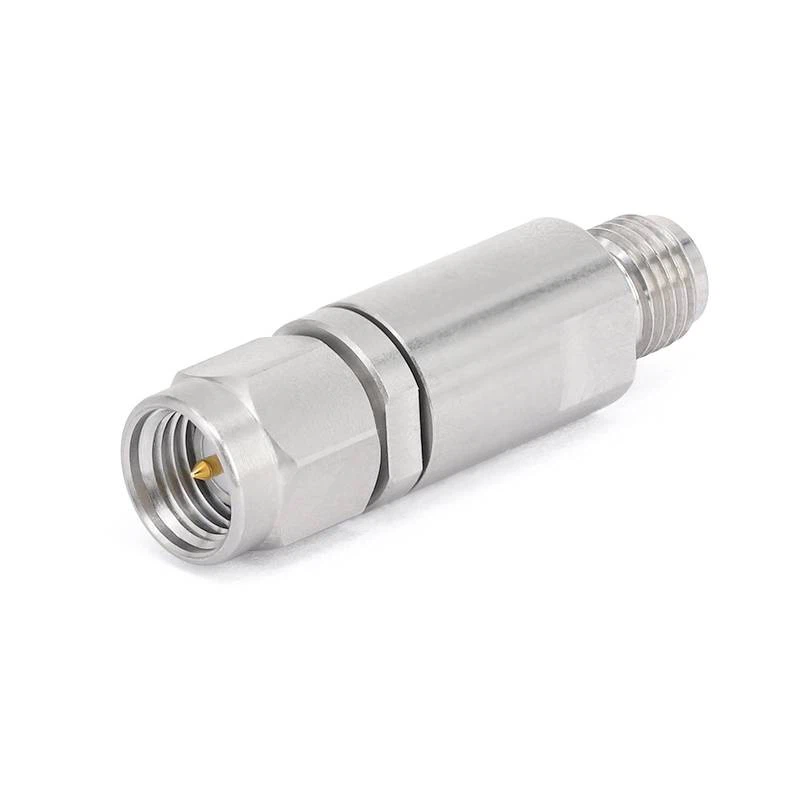
Now, when it comes to installing DC blocks in a radio transmitter, it's not too complicated, but there are a few things to keep in mind. First, you need to make sure you choose the right DC block for your specific transmitter. Different transmitters have different power levels, frequencies, and impedance requirements. You'll want to select a DC block that can handle the power of your transmitter without getting overloaded and that has the right impedance matching to ensure efficient signal transfer.
Also, the placement of the DC block in the transmitter circuit is important. It should be placed in a location where it can effectively block DC from reaching the sensitive components. Usually, this means placing it close to the input or output of the components that need protection.
In terms of performance, DC blocks in radio transmitters can really make a difference. I've seen cases where adding a DC block to a transmitter setup improved the signal quality so much that the range of the transmission increased. This is because the cleaner signal is easier for receivers to detect and decode, allowing the signal to travel further without losing its integrity.
Another aspect to consider is the long - term reliability of the transmitter. By using a DC block, you're reducing the risk of component failure due to DC damage. This means less downtime for maintenance and repairs, which can save a lot of money in the long run, especially for commercial radio stations or other high - usage transmitter setups.
But like any component, DC blocks do have some limitations. For example, they have a limited frequency range. While most DC blocks are designed to work over a wide range of radio frequencies, there are still upper and lower limits. If you're working with a transmitter that operates at extremely high or low frequencies, you'll need to make sure the DC block you choose can handle those frequencies.
Also, DC blocks can introduce a small amount of phase shift in the AC signal. This is usually not a big deal for most applications, but in some cases where precise phase alignment is required, it might need to be taken into account.
In conclusion, DC blocks are definitely a valuable addition to radio transmitters. They offer protection for sensitive components, improve signal quality, and enhance the overall reliability of the transmitter. Whether you're running a small amateur radio station or a large commercial broadcasting operation, using a DC block can make your transmitter work better and last longer.
If you're interested in learning more about DC blocks for your radio transmitter or are looking to make a purchase, I'd love to have a chat with you. We have a wide range of DC blocks to suit different needs and budgets. Just reach out, and we can start a conversation about how we can help you optimize your radio transmitter setup.
References
- "Radio Frequency Electronics: Circuits and Applications" by Rudolf F. Graf
- "Transmitter Design Handbook" by the Institute of Electrical and Electronics Engineers (IEEE)


