

Can horn antennas be used for satellite communication?
Leave a message

In the ever - evolving realm of satellite communication, the choice of antennas plays a pivotal role. As a supplier of Horn Antennas, I've often been asked whether horn antennas can be effectively used for satellite communication. This blog post aims to delve deep into this question, exploring the characteristics of horn antennas, their suitability for satellite communication, and how they stack up against other antenna types in this context.
Understanding Horn Antennas
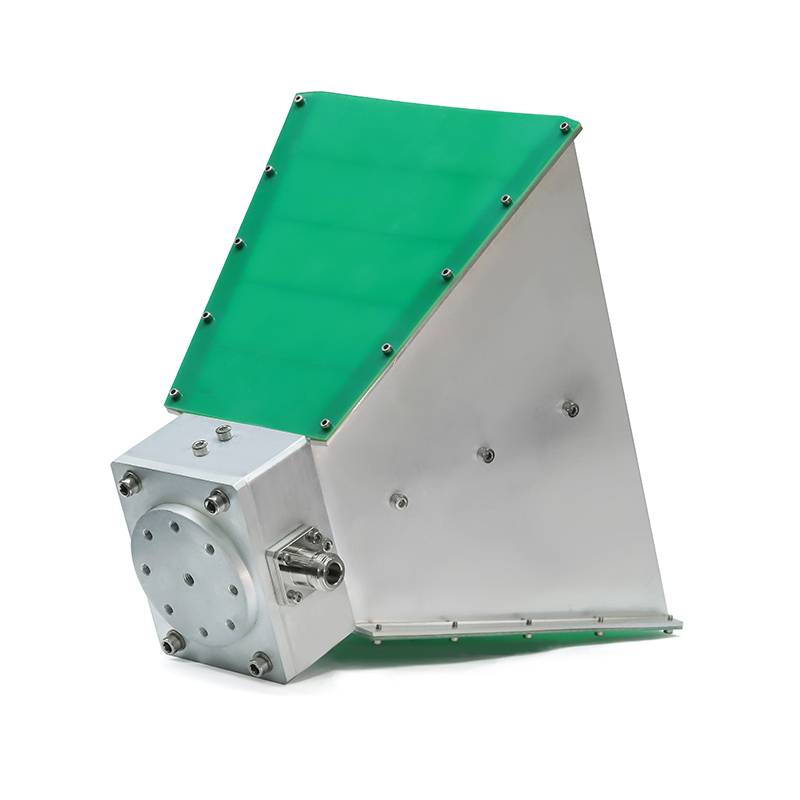
Horn antennas are a type of aperture antenna. They are essentially flared waveguides, where the waveguide acts as a feed, and the flared section serves to radiate the electromagnetic waves into free space. The shape of the horn can vary, with common types including pyramidal horns, conical horns, and sectoral horns.
One of the key advantages of horn antennas is their relatively simple structure. They are easy to manufacture, which often results in cost - effective solutions. Additionally, horn antennas offer a wide bandwidth, which means they can operate over a large range of frequencies. This is a crucial feature in satellite communication, where different satellites may operate on different frequency bands, and the ability to cover multiple bands can be highly beneficial.
Another important characteristic of horn antennas is their high directivity. Directivity refers to the ability of an antenna to focus the radiated power in a particular direction. High directivity is essential in satellite communication because it allows the antenna to send and receive signals more efficiently between the ground station and the satellite. By concentrating the power in a specific direction, horn antennas can reduce interference from other sources and improve the signal - to - noise ratio.
Suitability for Satellite Communication
The high directivity of horn antennas makes them well - suited for satellite communication. In satellite communication systems, the ground station needs to establish a reliable link with the satellite, which is often located thousands of kilometers away in space. A highly directive antenna like a horn antenna can focus the transmitted power towards the satellite, increasing the chances of the signal reaching the satellite with sufficient strength. Similarly, when receiving signals from the satellite, the high directivity helps in filtering out unwanted signals from other directions.
The wide bandwidth of horn antennas is also a significant advantage. Satellites operate in various frequency bands, such as C - band, Ku - band, and Ka - band. A horn antenna with a wide bandwidth can cover multiple frequency bands, eliminating the need for multiple antennas at the ground station. This simplifies the system design and reduces the overall cost of the satellite communication infrastructure.
Moreover, horn antennas are known for their stability and reliability. They are less prone to environmental factors such as weather conditions compared to some other antenna types. In satellite communication, where the ground station may be located in different geographical regions with varying weather patterns, the reliability of the antenna is of utmost importance. Horn antennas can withstand harsh weather conditions, including rain, snow, and high winds, without significant degradation in performance.
Comparison with Other Antenna Types
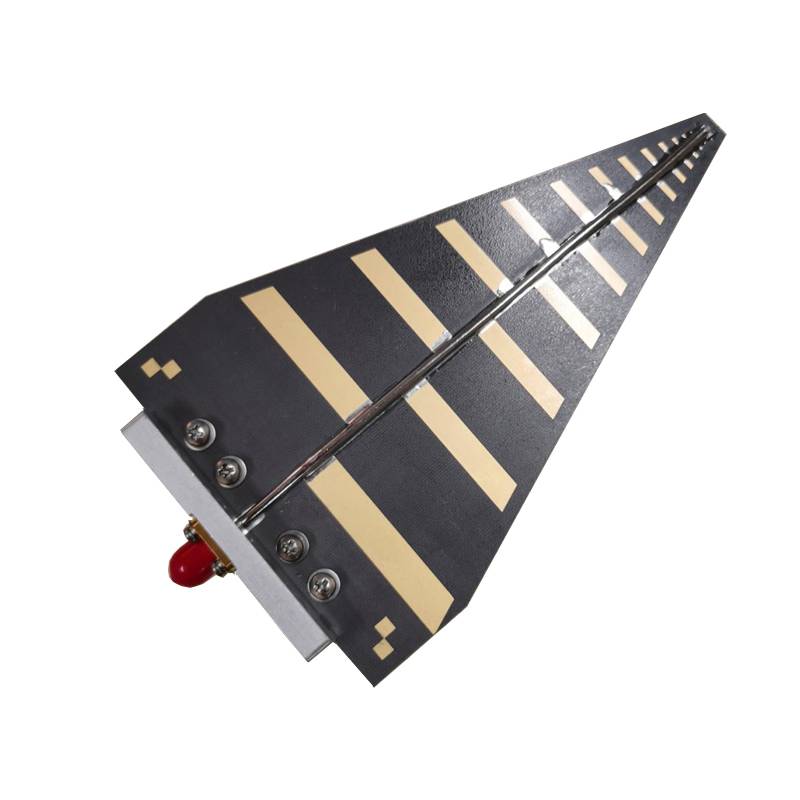
When considering satellite communication, it's important to compare horn antennas with other commonly used antenna types, such as Log - periodic Antennas. Log - periodic antennas are also known for their wide bandwidth, but they typically have lower directivity compared to horn antennas. In satellite communication, where high directivity is crucial for long - distance communication, horn antennas have an edge over log - periodic antennas.
Parabolic antennas are another popular choice for satellite communication. Parabolic antennas offer extremely high directivity, which is excellent for long - distance communication. However, they are often larger and more complex to install and maintain compared to horn antennas. Horn antennas, on the other hand, are more compact and easier to handle, making them a viable option for smaller ground stations or applications where space is limited.
Challenges and Limitations
While horn antennas have many advantages for satellite communication, they also face some challenges. One of the main limitations is their size. For high - gain applications, horn antennas can become relatively large, which may not be suitable for all ground station locations. In some cases, the physical size of the horn antenna may restrict its installation in areas with limited space.
Another challenge is the cost of high - performance horn antennas. Although horn antennas are generally cost - effective compared to some other antenna types, high - gain, wide - bandwidth horn antennas with advanced features can be expensive. This can be a deterrent for some operators, especially those with budget constraints.
Applications in Satellite Communication
Horn antennas are used in various satellite communication applications. They are commonly used in ground stations for satellite television broadcasting. The high directivity of horn antennas ensures that the television signals are transmitted and received efficiently between the satellite and the ground station, providing high - quality reception to viewers.
In satellite internet communication, horn antennas can also play a crucial role. They can be used to establish a reliable link between the ground - based internet service provider and the satellite, enabling high - speed internet access in remote areas. The wide bandwidth of horn antennas allows for the transmission of large amounts of data, which is essential for modern internet applications.
Future Prospects
With the continuous development of satellite communication technology, the demand for more efficient and reliable antennas is increasing. Horn antennas are likely to play an important role in the future of satellite communication. Advancements in materials and manufacturing techniques may lead to the development of smaller, more compact horn antennas with higher performance.
In addition, as the frequency bands used in satellite communication continue to expand, the wide - bandwidth capabilities of horn antennas will become even more valuable. New generations of satellites may operate in higher frequency bands, and horn antennas with the ability to cover these bands will be in high demand.
Conclusion
In conclusion, horn antennas can indeed be used for satellite communication. Their high directivity, wide bandwidth, stability, and reliability make them a suitable choice for many satellite communication applications. While they face some challenges such as size and cost, ongoing technological advancements are likely to address these issues in the future.
If you are in the market for horn antennas for your satellite communication needs, we are here to assist you. Our company offers a wide range of high - quality horn antennas that are designed to meet the diverse requirements of satellite communication systems. Whether you need a compact horn antenna for a small ground station or a high - gain, wide - bandwidth antenna for a large - scale satellite network, we have the right solution for you. Contact us to discuss your specific needs and explore how our horn antennas can enhance your satellite communication infrastructure.
References
- Balanis, C. A. (2016). Antenna Theory: Analysis and Design. Wiley.
- Kraus, J. D., & Marhefka, R. J. (2002). Antennas for All Applications. McGraw - Hill.


