

Can horn antennas be used in Bluetooth communication?
Leave a message

Hey there! As a supplier of Horn Antennas, I often get asked some interesting questions about the applications of these nifty devices. One question that popped up recently is, "Can horn antennas be used in Bluetooth communication?" Let's dig into this topic and find out.
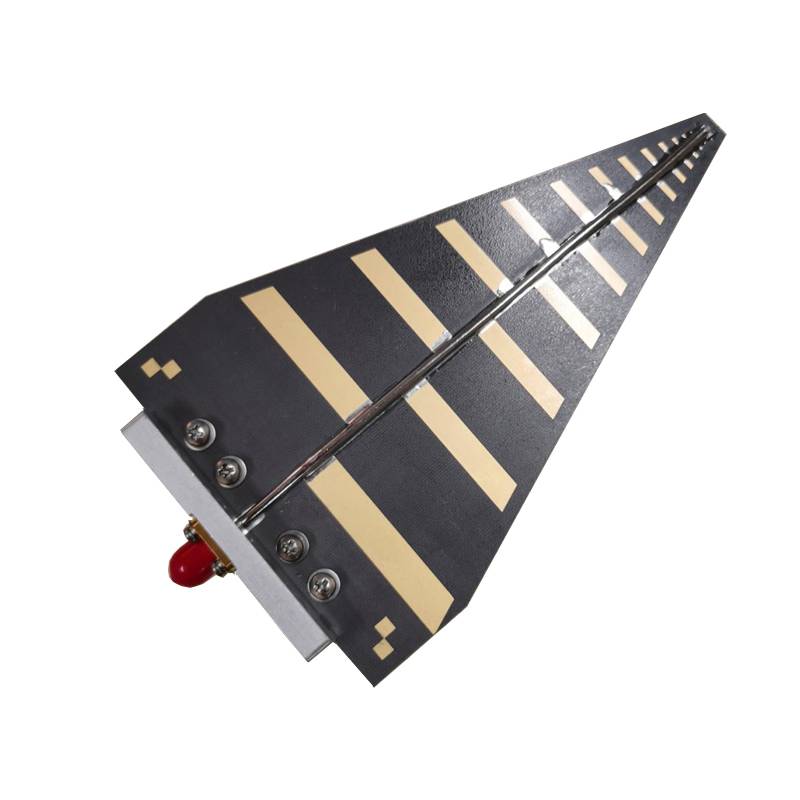
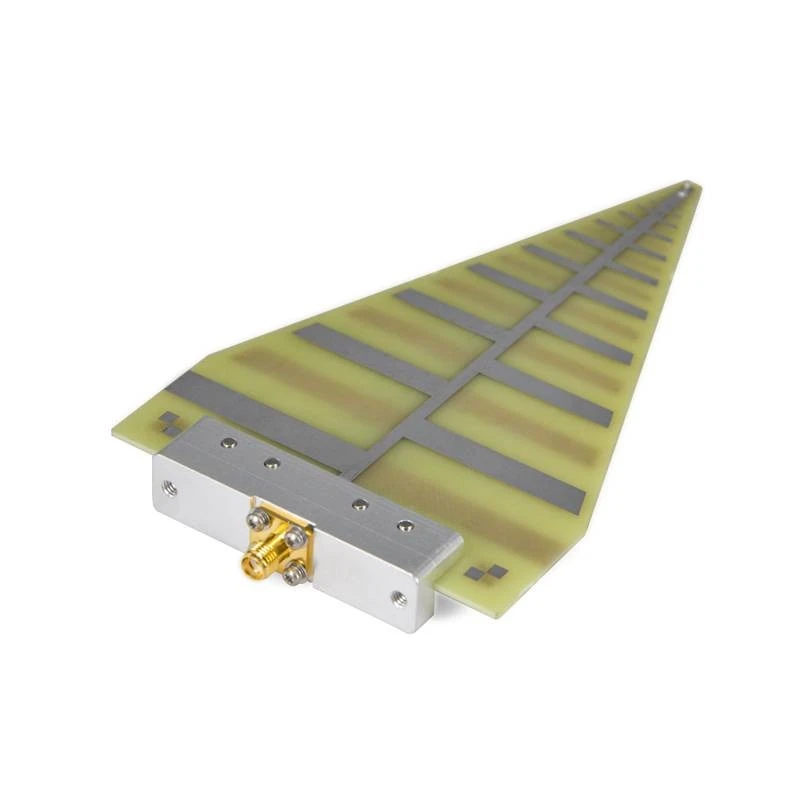
First off, let's understand what horn antennas are. Horn antennas are a type of antenna that have a flared, horn - shaped structure. They're known for their high gain, which means they can send and receive signals more effectively in a particular direction. You can check out more about them on our Horn Antennas page.
Now, Bluetooth communication is a short - range wireless technology that's used in a ton of devices. From your smartphone connecting to a pair of earbuds to your laptop syncing with a wireless keyboard, Bluetooth is everywhere. It operates in the 2.4 GHz ISM (Industrial, Scientific, and Medical) band, and it's designed to be low - power and easy to use.
So, can horn antennas be used in this Bluetooth world? Well, it's a bit of a mixed bag.
Advantages of Using Horn Antennas in Bluetooth Communication
One of the biggest advantages of horn antennas is their high gain. In Bluetooth communication, a high - gain antenna can extend the range of the connection. Bluetooth devices typically have a limited range, usually around 10 meters or so. But with a horn antenna, you could potentially increase that range significantly. This is especially useful in situations where you need to connect devices over a larger area, like in a big office or a factory floor.
Horn antennas also have a directional radiation pattern. This means they can focus the signal in a specific direction. In a Bluetooth setup, this can be beneficial if you know exactly where the other device is. For example, if you're using a Bluetooth device on one side of a room to communicate with another device on the opposite side, a horn antenna can send the signal straight towards the target device, reducing interference from other directions.
Another advantage is the relatively low noise level of horn antennas. Bluetooth signals can be quite weak, and any noise in the system can disrupt the communication. Horn antennas can help keep the noise down, resulting in a more stable and reliable Bluetooth connection.
Challenges of Using Horn Antennas in Bluetooth Communication
However, there are also some challenges when it comes to using horn antennas in Bluetooth communication. One of the main issues is the size. Horn antennas are generally larger than the antennas typically used in Bluetooth devices. Most Bluetooth devices, like smartphones and earbuds, are designed to be small and portable. Fitting a horn antenna into these devices would be a real challenge, both in terms of physical space and power consumption.
Bluetooth is designed to be a low - power technology. Horn antennas, on the other hand, may require more power to operate effectively. This could drain the battery of Bluetooth devices much faster, which is a big no - no for most users.
The directional nature of horn antennas can also be a drawback. Bluetooth communication is often used in situations where devices need to connect in different orientations. If a horn antenna is too directional, it may not be able to establish a connection if the devices are not perfectly aligned.
Real - World Applications and Possibilities
Despite these challenges, there are some real - world scenarios where horn antennas could be used in Bluetooth communication. For example, in industrial settings, where Bluetooth is used to connect sensors and monitoring devices over a large area. In these cases, the size and power consumption of the horn antenna may be less of an issue, as the devices are usually stationary and connected to a power source.
Another possibility is in home automation systems. If you have a smart home with multiple Bluetooth - enabled devices spread across a large house, a horn antenna could be used to improve the range and reliability of the connections.
Comparing with Other Antenna Types
It's also worth comparing horn antennas with other antenna types commonly used in Bluetooth communication. Log - periodic antennas, for instance, are another option. Log - periodic antennas have a wide frequency range and can provide good gain over a broad spectrum. You can learn more about them on our Log - periodic Antennas page.
Compared to log - periodic antennas, horn antennas have a more focused radiation pattern. This can be an advantage in some situations, but it also means they may not be as versatile. Log - periodic antennas can work well in a variety of orientations and frequency bands, which makes them a popular choice for general Bluetooth applications.
Conclusion
So, can horn antennas be used in Bluetooth communication? The answer is yes, but with some limitations. They offer some great advantages in terms of range, gain, and noise reduction, but the size, power consumption, and directional nature can pose challenges.
If you're in a situation where you need to extend the range of your Bluetooth communication, or if you're working on a large - scale Bluetooth project, horn antennas could be a viable option. And as a supplier of Horn Antennas, we're here to help you figure out if they're the right fit for your needs.
If you're interested in learning more about horn antennas or discussing how they could be used in your Bluetooth applications, don't hesitate to reach out. We're always happy to have a chat and see how we can assist you in your procurement process. Whether you're a small business owner looking to improve your Bluetooth - enabled devices or an engineer working on a cutting - edge project, we've got the expertise and the products to meet your requirements.
References
- Balanis, Constantine A. "Antenna Theory: Analysis and Design." Wiley, 2016.
- Stutzman, Warren L., and Gary A. Thiele. "Antenna Theory and Design." Wiley, 2012.


