

Can I use an antenna for wireless audio streaming?
Leave a message

In the era of seamless connectivity and high - quality audio experiences, wireless audio streaming has become a staple in both personal and professional settings. Many individuals and businesses are constantly on the lookout for reliable methods to transmit audio wirelessly. One question that often arises is, "Can I use an antenna for wireless audio streaming?" As an antenna supplier, I'm here to provide you with a comprehensive answer to this query.
Understanding Wireless Audio Streaming
Before delving into the role of antennas in wireless audio streaming, it's essential to understand how wireless audio streaming works. Wireless audio streaming technology allows audio signals to be transmitted from a source device, such as a smartphone, tablet, or computer, to a receiving device, like speakers or headphones, without the need for physical cables. This is typically achieved through radio frequency (RF) or infrared (IR) signals.
RF - based wireless audio streaming is more common due to its longer range and better penetration through obstacles. Popular standards include Bluetooth, Wi - Fi, and proprietary RF protocols. These technologies operate on specific frequency bands, and the performance of the wireless audio stream depends on factors such as signal strength, interference, and the quality of the transmitting and receiving equipment.
The Role of Antennas in Wireless Communication
Antennas are crucial components in wireless communication systems. They are designed to convert electrical signals into electromagnetic waves for transmission and vice versa for reception. In the context of wireless audio streaming, antennas play a vital role in ensuring a strong and stable connection between the source and the receiving device.
A good antenna can enhance the range of the wireless audio stream. By increasing the gain of the antenna, which is a measure of its ability to focus the radiated power in a particular direction, the signal can travel farther without significant loss. This is especially useful in large spaces or outdoor environments where the distance between the source and the receiver may be substantial.
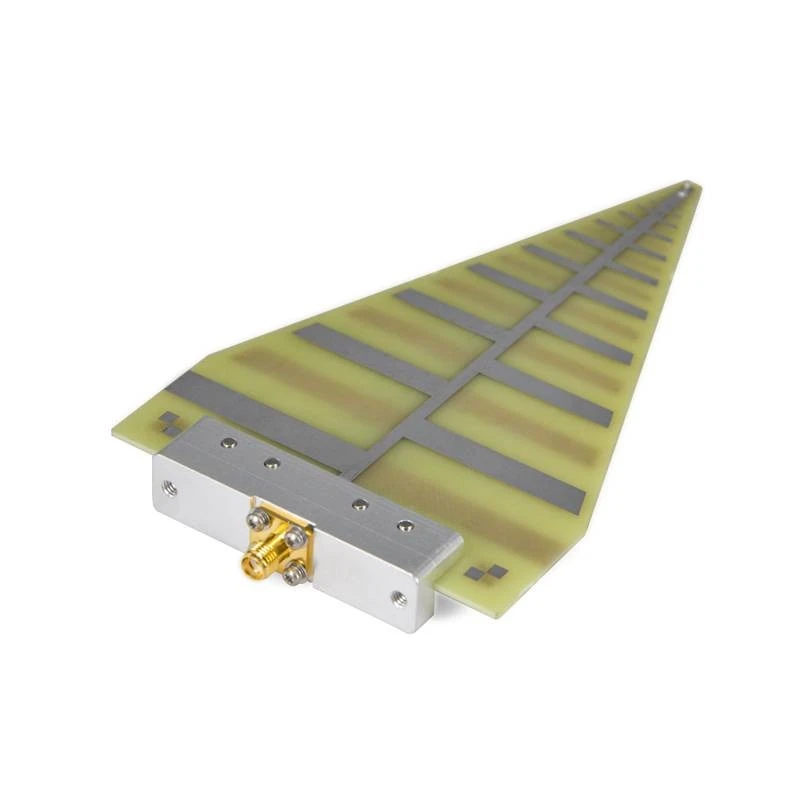
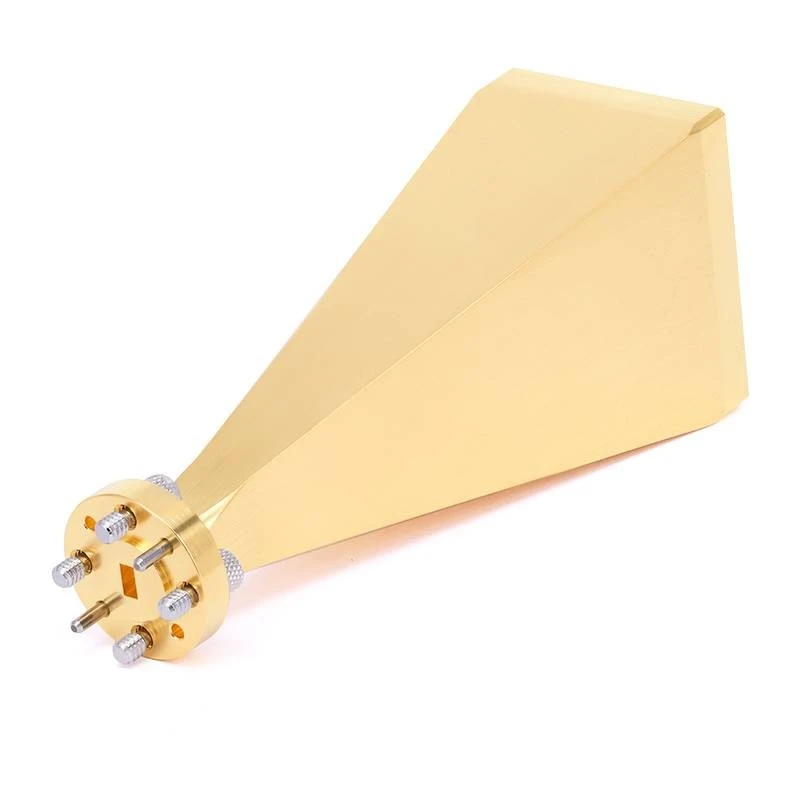
Antennas also help in reducing interference. They can be designed to have a specific radiation pattern, which allows them to pick up signals from the desired direction while rejecting signals from other directions. This is particularly important in areas with a high density of wireless devices, where multiple signals can interfere with each other and degrade the quality of the audio stream.
Types of Antennas Suitable for Wireless Audio Streaming
There are several types of antennas that can be used for wireless audio streaming, each with its own advantages and disadvantages.
Dipole Antennas
Dipole antennas are one of the simplest and most common types of antennas. They consist of two conductive elements, usually rods or wires, that are aligned in a straight line. Dipole antennas are omnidirectional, which means they radiate and receive signals equally in all directions in a plane perpendicular to the antenna axis. This makes them suitable for applications where the location of the receiving device is not fixed, such as in a home audio system where the speakers may be placed in different parts of the room.
Horn Antennas
Horn antennas are known for their high gain and directional properties. They are shaped like a horn, with a flared opening that helps to focus the radiated energy in a specific direction. Horn antennas are often used in professional audio applications, such as in large concert venues or stadiums, where a long - range and high - quality audio stream is required. Their directional nature allows them to target the audio signal towards the audience, reducing interference from other sources.
Log - periodic Antennas
Log - periodic antennas are designed to operate over a wide range of frequencies. They have a unique structure that consists of a series of dipole elements of different lengths, arranged in a specific pattern. This allows them to maintain a relatively constant gain and radiation pattern over a broad frequency band. Log - periodic antennas are useful in wireless audio streaming systems that need to support multiple frequency standards or in environments where the frequency of the audio signal may vary.
Factors to Consider When Choosing an Antenna for Wireless Audio Streaming
When selecting an antenna for wireless audio streaming, several factors need to be taken into account.
Frequency Range
The antenna must be compatible with the frequency band used by the wireless audio streaming technology. For example, Bluetooth operates in the 2.4 GHz frequency band, while Wi - Fi can operate in both the 2.4 GHz and 5 GHz bands. Using an antenna that is not designed for the correct frequency range will result in poor performance and a weak audio stream.
Gain
As mentioned earlier, the gain of the antenna affects the range and strength of the wireless signal. Higher gain antennas can provide a longer range, but they may also have a more directional radiation pattern. If the receiving device is likely to move around, an omnidirectional antenna with a moderate gain may be more suitable. On the other hand, if the audio stream needs to be transmitted over a long distance in a specific direction, a high - gain directional antenna is a better choice.
Polarization
Antenna polarization refers to the orientation of the electric field of the radiated electromagnetic wave. The polarization of the transmitting and receiving antennas must match for optimal signal reception. In most wireless audio streaming applications, vertical polarization is commonly used, but it's important to check the specifications of the devices involved to ensure compatibility.
Environment
The environment in which the wireless audio streaming will take place also plays a role in antenna selection. In an indoor environment with many obstacles, such as walls and furniture, an antenna with good penetration capabilities may be required. Outdoor environments may require antennas that are weather - resistant and can withstand harsh conditions.
Installation and Setup
Proper installation and setup of the antenna are crucial for achieving the best results in wireless audio streaming. The antenna should be placed in a location where it has a clear line of sight to the receiving device, if possible. Obstacles such as metal objects, large electronics, and thick walls can block or weaken the wireless signal.
The height of the antenna can also affect its performance. In general, raising the antenna to a higher position can increase its range and reduce interference from ground - level obstacles. However, the specific height requirements will depend on the type of antenna and the environment.
Conclusion
In conclusion, yes, you can use an antenna for wireless audio streaming. Antennas are essential components that can significantly enhance the range, quality, and stability of the wireless audio stream. By choosing the right type of antenna based on factors such as frequency range, gain, polarization, and environment, and by ensuring proper installation and setup, you can enjoy a seamless and high - quality wireless audio experience.
If you're interested in exploring the world of antennas for wireless audio streaming, we're here to help. Our team of experts can assist you in selecting the most suitable antenna for your specific needs. Whether you're a homeowner looking to upgrade your home audio system or a professional in the audio industry, we have a wide range of antennas to meet your requirements. Contact us today to start a discussion about your antenna needs and let's work together to achieve the best wireless audio streaming solution for you.
References
- Electronics Tutorials: Antenna Basics.
- Wireless Communication Principles and Practice by Theodore S. Rappaport.
- Bluetooth Special Interest Group (SIG) specifications.
- Wi - Fi Alliance standards documentation.


