
What are the requirements for RF switches in automotive radar systems?
Leave a message

Automotive radar systems have become an integral part of modern vehicles, playing a crucial role in advanced driver - assistance systems (ADAS) and autonomous driving. These systems rely on accurate and reliable detection of objects around the vehicle, and RF switches are key components within them. As an RF switches supplier, I am well - versed in the requirements that automotive radar systems place on these switches.
1. High - Frequency Performance
Automotive radar systems typically operate in the millimeter - wave frequency bands, such as 77 GHz and 79 GHz. RF switches used in these systems must be able to handle these high frequencies with minimal signal loss. At these frequencies, the electrical characteristics of materials and components change significantly. For example, the skin effect becomes more pronounced, causing current to flow near the surface of conductors. This can lead to increased resistance and signal attenuation.
RF switches need to have low insertion loss at high frequencies. Insertion loss is a measure of the power loss that occurs when a signal passes through the switch. A low insertion loss ensures that the radar system can transmit and receive signals with high efficiency. For instance, in a 77 GHz automotive radar system, an RF switch with an insertion loss of less than 1 dB is highly desirable. This allows the radar to maintain a strong signal strength, which is essential for accurate object detection and ranging.
In addition to low insertion loss, the switches should also have high isolation. Isolation refers to the ability of the switch to prevent signal leakage between different ports. In an automotive radar system, high isolation is crucial to avoid interference between different radar channels. For example, if there are multiple radar sensors in a vehicle, such as front - facing and rear - facing radars, the RF switches must isolate the signals from these sensors effectively. A high - isolation switch can prevent cross - talk between the sensors, ensuring the accuracy of each radar's measurements. You can learn more about different RF Switches Types which can impact high - frequency performance.
2. Fast Switching Speed
Automotive radar systems often need to switch between different operating modes or channels quickly. For example, in a multi - mode radar system, the radar may need to switch between long - range and short - range detection modes depending on the driving situation. The RF switches used in these systems must be able to switch between different states rapidly.
Fast switching speed is also important for beam - steering applications in automotive radar. Beam steering allows the radar to focus its signal in different directions, improving the system's ability to detect objects accurately. To achieve effective beam steering, the RF switches need to switch between different antenna elements in a short time. A switching speed in the nanosecond range is typically required for automotive radar applications. This enables the radar system to adapt quickly to changing driving conditions and detect objects in a timely manner.
3. High Reliability and Durability
Automotive environments are harsh, with wide temperature variations, high humidity, and mechanical vibrations. RF switches used in automotive radar systems must be able to withstand these conditions without degradation in performance.

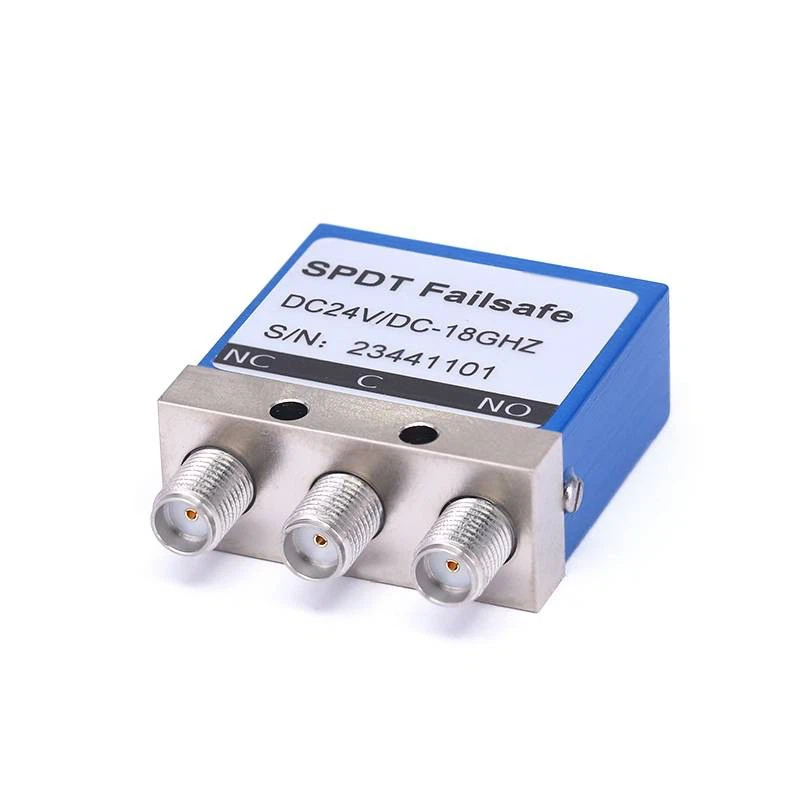
Temperature variations can have a significant impact on the electrical characteristics of RF switches. For example, as the temperature increases, the resistance of conductors may increase, leading to higher insertion loss. The switches need to be designed with materials and packaging that can maintain stable performance over a wide temperature range, typically from - 40°C to 125°C.
Mechanical vibrations are also a concern in automotive applications. The constant movement of the vehicle can cause mechanical stress on the RF switches. These switches must be able to withstand vibrations without damage to their internal components. High - quality packaging and robust construction are essential to ensure the durability of the switches in a vibrating environment.
Moreover, automotive radar systems are expected to have a long service life, often exceeding 10 years. RF switches need to be highly reliable to meet this requirement. They should have a low failure rate and be able to operate continuously without significant performance degradation over their lifetime.
4. Low Power Consumption
With the increasing number of electronic components in modern vehicles, power consumption has become a critical issue. RF switches in automotive radar systems should consume as little power as possible. Low - power switches help to reduce the overall power consumption of the radar system, which is beneficial for the vehicle's battery life and energy efficiency.
In addition, low - power operation can also reduce the heat generated by the switches. Excessive heat can affect the performance and reliability of the switches, as well as other components in the radar system. By minimizing power consumption, the switches can operate at a lower temperature, improving their long - term stability.
5. Small Size and Integration
Automotive radar systems are designed to be compact and lightweight. RF switches used in these systems need to have a small form factor to fit into the limited space available in the vehicle. Small - sized switches also allow for more flexible integration with other components in the radar system, such as antennas and signal processing circuits.
Furthermore, there is a trend towards integrating multiple functions into a single RF switch. For example, some switches can combine switching functions with other functions such as filtering or amplification. This integration can reduce the number of components in the radar system, simplifying the design and reducing the overall cost.
6. Compatibility with Automotive Standards
RF switches used in automotive radar systems must comply with various automotive standards. These standards ensure the safety, reliability, and performance of the components in the vehicle. For example, the switches need to meet the requirements of the ISO 26262 functional safety standard, which is related to the safety of electrical and electronic systems in vehicles.
Compliance with automotive standards also includes electromagnetic compatibility (EMC) requirements. The switches should not generate excessive electromagnetic interference (EMI) that could affect other electronic systems in the vehicle. At the same time, they should be able to withstand external EMI without significant performance degradation.
7. Cost - Effectiveness
While meeting all the above requirements, RF switches also need to be cost - effective. The automotive industry is highly competitive, and cost is a major factor in the selection of components. As an RF switches supplier, we understand the importance of providing high - quality switches at a reasonable price.
Cost - effectiveness can be achieved through various means, such as optimizing the manufacturing process, using cost - efficient materials, and achieving economies of scale. By reducing the production cost without sacrificing performance, we can offer RF switches that are suitable for mass - production in the automotive industry.
Conclusion
As an RF switches supplier, we are aware that the requirements for RF switches in automotive radar systems are complex and demanding. High - frequency performance, fast switching speed, high reliability, low power consumption, small size, compatibility with automotive standards, and cost - effectiveness are all key factors that need to be considered.
We have the expertise and resources to develop and manufacture RF switches that meet these requirements. Our team of engineers is constantly working on improving the performance and reliability of our switches, while also keeping an eye on cost - reduction measures.
If you are in the automotive industry and are looking for high - quality RF switches for your radar systems, we invite you to contact us for procurement and further discussions. We are committed to providing you with the best solutions that meet your specific needs.
References
- "Automotive Radar Technology and Applications" - A technical report on the state - of - the - art in automotive radar systems.
- ISO 26262 - Functional safety standard for electrical and electronic systems in vehicles.
- Industry whitepapers on RF components for automotive applications.


