

What are the analog RF attenuators?
Leave a message

Yo! As a supplier of RF attenuators, I've been knee - deep in the world of analog RF attenuators for quite some time. So, I thought I'd share with you what these nifty devices are all about.
First off, let's break down what "RF" stands for. RF is short for Radio Frequency. It's the range of electromagnetic frequencies used for radio communication, from about 3 kHz to 300 GHz. Now, an attenuator is a device that reduces the power of a signal. So, an analog RF attenuator is a component that reduces the power of a radio - frequency signal.
Why would you want to do that? Well, there are a bunch of reasons. One of the most common is to protect sensitive equipment. For example, if you have a receiver that can't handle high - power signals, an attenuator can be used to bring the signal down to a level that the receiver can safely process.
Another reason is for signal testing and measurement. When you're testing a signal, you might want to adjust its power level to see how your equipment responds at different strengths. An analog RF attenuator gives you the ability to do just that.
Let's talk about how these things work. Analog RF attenuators typically use resistive elements to dissipate the power of the signal. There are different types of resistive attenuators, like the pi - type and the T - type.
The pi - type attenuator gets its name from its shape, which looks a bit like the Greek letter pi (π). It has three resistors arranged in a specific configuration. This type of attenuator is great for applications where you need a high degree of attenuation and good impedance matching.
The T - type attenuator, on the other hand, has a shape that resembles the letter T. It consists of two series resistors and one shunt resistor. T - type attenuators are often used when you need a simple and cost - effective way to reduce the signal power.
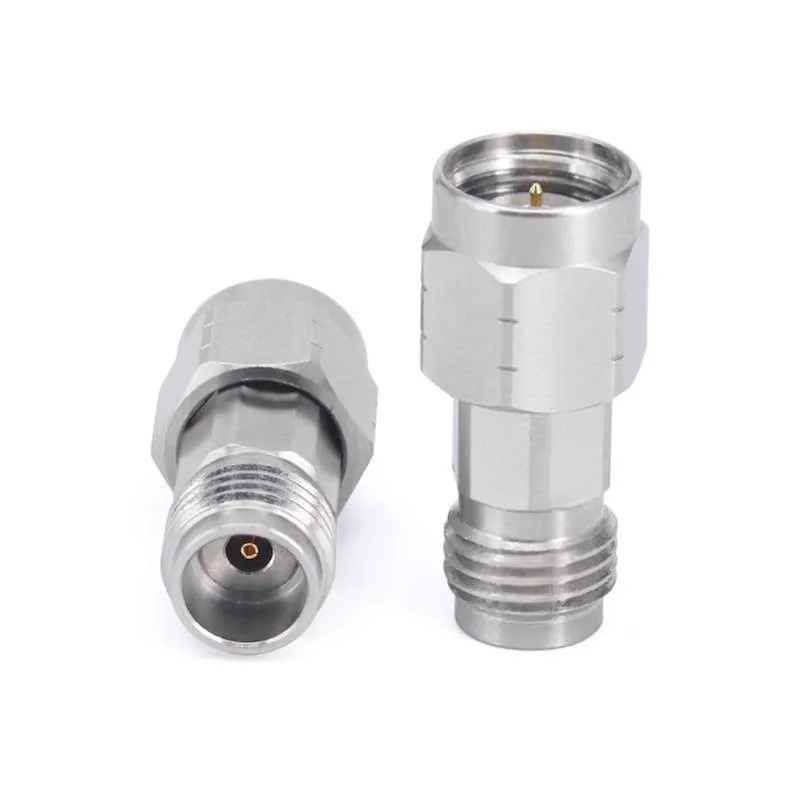
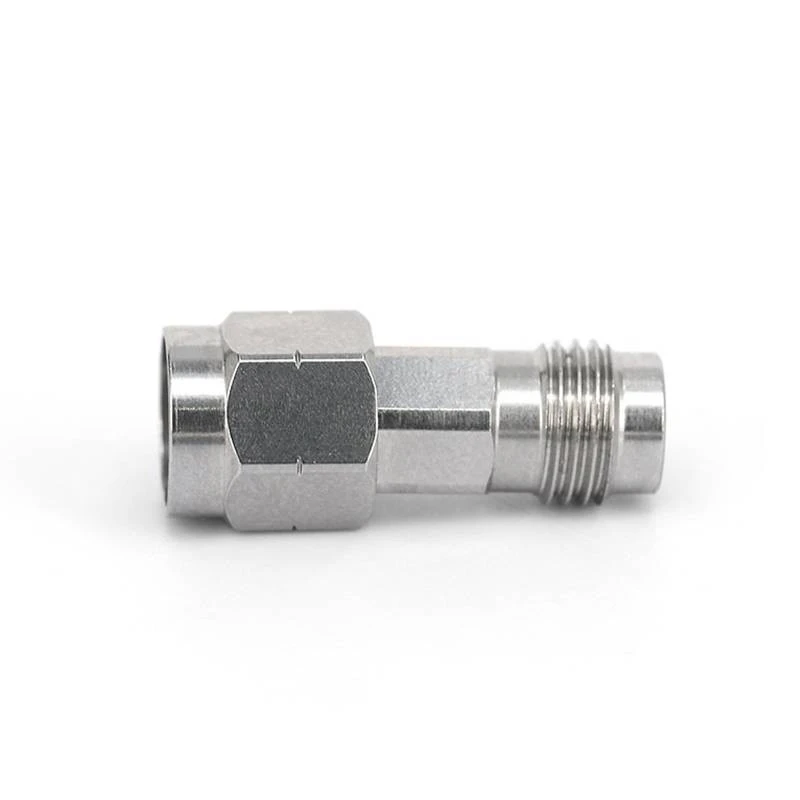
Now, let's get into the different types of analog RF attenuators that are out there. There are fixed attenuators and variable attenuators.
Fixed attenuators have a set attenuation value. Once you choose a fixed attenuator with a certain dB (decibel) value, that's the amount of signal power reduction you're going to get. These are super handy when you know exactly how much attenuation you need for your application. For instance, if you're building a specific RF system where the signal strength needs to be reduced by a precise amount, a fixed attenuator is the way to go.
Variable attenuators, as the name suggests, allow you to adjust the amount of attenuation. This is really useful in situations where the signal strength can vary, or when you need to fine - tune the signal power during testing. You can usually adjust variable attenuators either manually or electronically.
When it comes to connectors, there are several popular options for analog RF attenuators. One of the most common is the SMA connector. SMA Attenuators are widely used because they're small, lightweight, and can handle frequencies up to around 18 GHz. They're often found in wireless communication systems, test equipment, and satellite communication applications.
Another type of connector is the 2.4mm connector. 2.4mm Attenuators are designed for high - frequency applications, capable of handling frequencies up to 50 GHz. They're commonly used in microwave and millimeter - wave systems, where precision and high - frequency performance are crucial.
Then there's the 1.85mm connector. 1.85mm Attenuators are even more high - end, with the ability to handle frequencies up to 67 GHz. These are typically used in very advanced RF systems, such as those in research laboratories and high - performance communication networks.
Now, when you're choosing an analog RF attenuator, there are a few things you need to keep in mind. First is the frequency range. You need to make sure that the attenuator can handle the frequencies of your signal. If you try to use an attenuator outside of its specified frequency range, you might get inaccurate attenuation or even damage the device.
Next is the attenuation value. As I mentioned earlier, you need to know how much signal power reduction you need. Whether it's a fixed or variable attenuator, make sure it can provide the right amount of attenuation for your application.
The power handling capacity is also important. You need to ensure that the attenuator can handle the power of your signal without overheating or getting damaged. If the signal power is too high for the attenuator, it could lead to poor performance or even failure.
Impedance matching is another key factor. In RF systems, impedance matching is crucial for efficient signal transfer. You need to make sure that the impedance of the attenuator matches the impedance of the rest of your system. Otherwise, you might get signal reflections, which can cause interference and reduce the overall performance of your system.
As a supplier of RF attenuators, I've seen firsthand how important these devices are in a wide range of applications. Whether you're in the telecommunications industry, working on a research project, or just building a small RF system at home, having the right analog RF attenuator can make all the difference.
If you're in the market for analog RF attenuators, I'd love to help you find the perfect solution for your needs. We have a wide range of attenuators with different connectors, attenuation values, and frequency ranges. Just reach out to us, and we can start a conversation about your requirements. Whether you need a single attenuator for a one - time project or a large quantity for a production run, we've got you covered.
In conclusion, analog RF attenuators are essential components in the world of radio - frequency technology. They offer a simple yet effective way to control signal power, protect equipment, and conduct accurate testing. With the right knowledge and the right supplier, you can find the perfect attenuator for your specific application. So, don't hesitate to get in touch if you have any questions or if you're ready to start your purchase.
References
- Microwave Engineering, David M. Pozar
- RF Circuit Design, Chris Bowick


