

Can I use any antenna with my TV?
Leave a message

Hey there! As an antennas supplier, I often get asked this question: "Can I use any antenna with my TV?" Well, let's dive right into it and break this down for you.
First off, it's important to understand that not all antennas are created equal, especially when it comes to using them with your TV. TVs rely on antennas to pick up over - the - air signals, and these signals come in different frequencies. There are two main types of over - the - air TV signals: VHF (Very High Frequency) and UHF (Ultra High Frequency).
VHF signals typically have longer wavelengths and are used for some of the older TV channels. They can travel longer distances, but they are also more susceptible to interference from things like buildings and terrain. UHF signals, on the other hand, have shorter wavelengths. They can carry more data, which is great for high - definition programming, but they don't travel as far as VHF signals and can be blocked more easily by obstacles.
Now, different antennas are designed to work better with either VHF or UHF signals, or sometimes both. For example, some older antennas were mainly built to pick up VHF signals. If you try to use one of these old VHF - only antennas with a modern TV that relies heavily on UHF signals for HD content, you're likely to run into problems. You might get a fuzzy picture, or you might not be able to pick up certain channels at all.
Let's talk about the types of antennas that are commonly used for TVs. One popular type is the dipole antenna. These are simple, often rabbit - ear - looking antennas that you might have seen on older TVs. Dipole antennas are relatively inexpensive and can work well for picking up VHF signals if you're close to the broadcast tower. But they're not so great for UHF signals, and their range is pretty limited.
Then there are more advanced antennas like the Log - periodic Antennas. These antennas are designed to work across a wide range of frequencies, including both VHF and UHF. They're a great option if you want to pick up a variety of channels, whether they're local or more distant. Log - periodic antennas are also quite directional, which means they can be adjusted to point towards the broadcast towers for better signal reception.
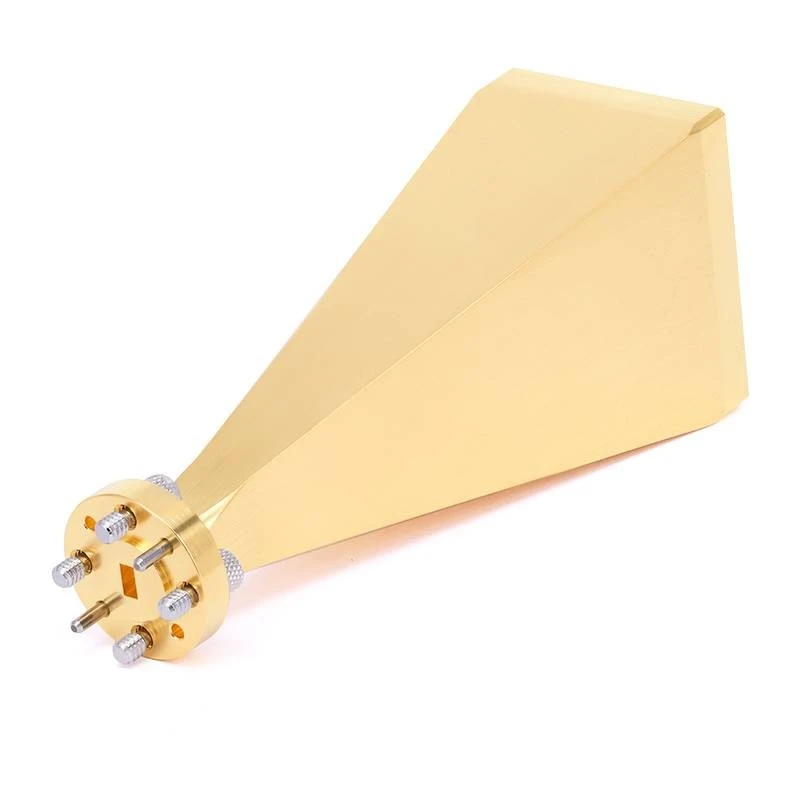
Another type is the Horn Antennas. Horn antennas are often used in professional settings, but they can also be used for TV reception in some cases. They're very good at focusing the signal, which can result in a stronger and clearer picture. However, they can be a bit more expensive and might be overkill for the average home user.
Location also plays a huge role in whether you can use a particular antenna with your TV. If you live in a rural area, far away from the broadcast towers, you'll need a high - gain antenna that can pick up weak signals from a long distance. A high - gain antenna has the ability to amplify the incoming signals, making them strong enough for your TV to receive. On the other hand, if you live in a city close to the broadcast towers, you might be able to get away with a less powerful antenna.
The type of TV you have also matters. Older CRT TVs might not be as picky about the antenna as modern smart TVs. Smart TVs are designed to handle high - definition and digital signals, so they require a better - quality antenna to ensure a smooth viewing experience. If you're using an old antenna with a new smart TV, you might not be able to take full advantage of the TV's capabilities.
Weather conditions can also affect the performance of your antenna. Rain, snow, and strong winds can all interfere with the signal. For example, heavy rain can absorb some of the signal, causing it to weaken. If you live in an area with harsh weather conditions, you might want to consider an antenna that is weather - resistant.
So, to answer the question "Can I use any antenna with my TV?", the short answer is no. You need to consider the type of signals your local TV stations are broadcasting, your location, the type of TV you have, and even the weather conditions. It's always a good idea to do some research on the antennas available in the market and choose one that is suitable for your specific needs.

If you're still unsure about which antenna to choose, don't worry! That's where we come in. As an antennas supplier, we have a wide range of antennas to suit different needs and budgets. Our team of experts can help you figure out the best antenna for your TV setup. Whether you're looking for a basic dipole antenna for a small apartment or a high - end log - periodic antenna for a large rural home, we've got you covered.
We understand that buying an antenna can be a bit confusing, especially with all the technical jargon out there. That's why we're here to make the process as easy as possible for you. We can provide you with detailed information about each antenna, including its frequency range, gain, and installation requirements.
If you're interested in learning more about our antennas or if you want to discuss your specific TV reception needs, we'd love to hear from you. Just reach out to us, and we'll be happy to assist you in finding the perfect antenna for your TV. Don't settle for a poor - quality picture or missed channels. Upgrade your antenna today and enjoy a better TV viewing experience!
In conclusion, choosing the right antenna for your TV is not a one - size - fits - all situation. It requires some thought and consideration, but with the right antenna, you can enjoy crystal - clear over - the - air TV channels. So, take the time to evaluate your needs and make an informed decision. And remember, we're here to support you every step of the way.
References
- "Antenna Basics" - Electronics Textbooks
- "TV Signal Reception Guide" - Consumer Reports


