
How does temperature affect the performance of VNA test cables?
Leave a message

Hey there! As a supplier of VNA Test Cables, I've seen firsthand how temperature can throw a wrench into the performance of these cables. In this blog, I'm gonna break down how temperature affects VNA test cables and why it's super important to keep this in mind.
Understanding VNA Test Cables
Before we dive into the temperature stuff, let's quickly go over what VNA test cables are. VNA stands for Vector Network Analyzer, and these cables are used to connect the VNA to the device under test. They play a crucial role in accurately measuring the electrical properties of components like antennas, filters, and amplifiers.
The performance of VNA test cables is usually measured in terms of parameters like insertion loss, return loss, and phase stability. Insertion loss is the amount of signal power that's lost as it travels through the cable. Return loss, on the other hand, measures how much of the signal is reflected back from the cable. Phase stability is all about how consistent the phase of the signal is as it passes through the cable.
How Temperature Affects Insertion Loss
One of the most significant ways temperature affects VNA test cables is through insertion loss. As the temperature goes up, the insertion loss of the cable generally increases. This is mainly because of the way the cable's materials respond to heat.
Most VNA test cables have a dielectric material between the inner conductor and the outer shield. When the temperature rises, the dielectric material expands. This expansion changes the electrical properties of the dielectric, which in turn increases the signal loss. The inner and outer conductors can also be affected by temperature. As they heat up, their resistance increases, causing more power to be dissipated as heat and less to be transmitted through the cable.
Let's say you're working in a hot environment, like an industrial setting where the temperature can reach 50°C or more. You might notice that the insertion loss of your VNA test cable is significantly higher compared to when you're working in a cooler room temperature environment. This can lead to inaccurate measurements, as the extra loss can make it seem like the device under test has more signal loss than it actually does.
Impact on Return Loss
Return loss is another important parameter that can be affected by temperature. Return loss is related to how well the cable is matched to the impedance of the VNA and the device under test. When the temperature changes, the physical dimensions of the cable can change, which can disrupt this impedance matching.
For example, as the cable heats up and expands, the distance between the inner conductor and the outer shield might increase slightly. This change in geometry can cause the characteristic impedance of the cable to deviate from its nominal value. When the impedance is mismatched, more of the signal is reflected back, resulting in a lower return loss.
A poor return loss can make it difficult to accurately measure the reflection characteristics of the device under test. You might see false peaks or dips in the return loss plot, which can lead to incorrect conclusions about the performance of the device.
Phase Stability and Temperature
Phase stability is crucial for many applications, especially those involving high - frequency signals and phase - sensitive measurements. Temperature can have a significant impact on the phase of the signal traveling through the VNA test cable.
As the temperature changes, the electrical length of the cable can change. The electrical length is related to the physical length of the cable and the speed of the signal in the cable. When the temperature rises, the dielectric constant of the cable's dielectric material can change, which affects the speed of the signal. A change in the signal speed means a change in the electrical length of the cable, which in turn changes the phase of the signal.
In applications where precise phase measurements are required, like in phased - array antennas, even a small change in phase due to temperature can cause big problems. The antenna might not perform as expected, and the overall system performance can be degraded.
Mitigating the Effects of Temperature
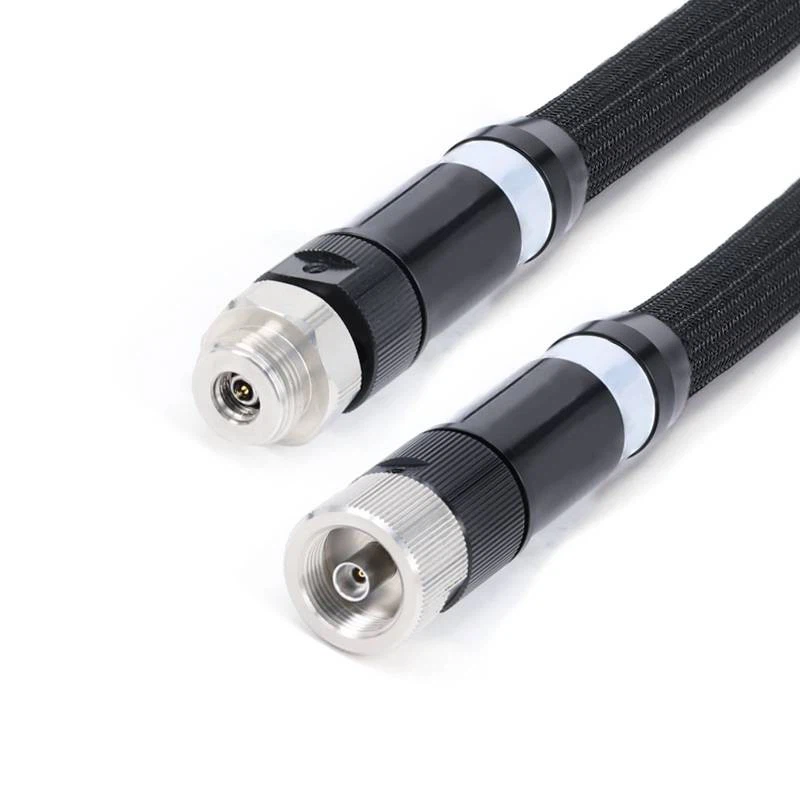
So, what can you do to minimize the impact of temperature on VNA test cables? One option is to use cables that are designed to be more temperature - stable. Some manufacturers, including us as a VNA test cable supplier, offer cables with special dielectric materials and construction techniques that are less affected by temperature changes.
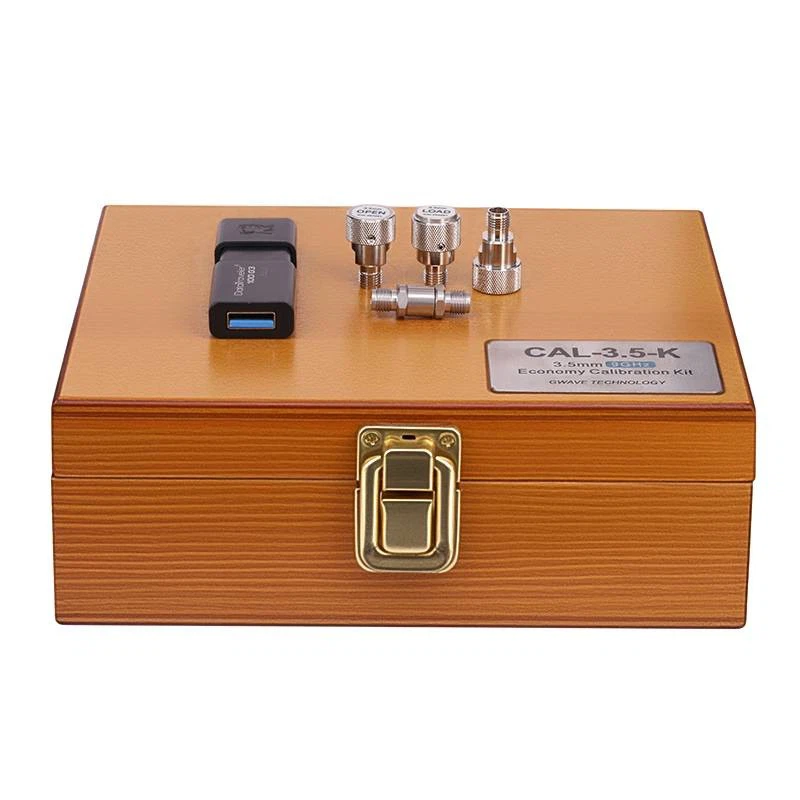
Another important step is calibration. Regular calibration using Calibration Kits can help correct for any temperature - induced changes in the cable's performance. Calibration adjusts the measurement results to account for the known characteristics of the cable, including its temperature - dependent behavior.
You can also control the environment where the testing is taking place. If possible, keep the temperature as stable as you can. This might mean using air - conditioning in a test lab or using temperature - controlled enclosures for the devices under test and the VNA.
Why It Matters for Your Business
As a user of VNA test cables, understanding how temperature affects their performance is crucial for getting accurate and reliable measurements. Inaccurate measurements can lead to costly mistakes. For example, if you're testing a new antenna design and the measurements are off because of temperature - induced cable performance changes, you might end up making design changes that aren't actually necessary.
If you're in the business of manufacturing electronic components, inaccurate measurements can also affect the quality control process. You might reject a batch of components that are actually good or accept components that don't meet the required specifications. This can lead to customer dissatisfaction and potential legal issues.
Conclusion
Temperature has a significant impact on the performance of VNA test cables. It can increase insertion loss, degrade return loss, and affect phase stability. As a supplier of VNA Test Cables, we're aware of these challenges and strive to provide cables that are as temperature - stable as possible.
If you're facing issues with temperature - related cable performance or are looking for high - quality VNA test cables that can withstand a wide range of temperatures, we'd love to hear from you. Contact us to discuss your specific needs and find the best solution for your testing requirements. Whether you need cables for a lab environment or an industrial setting, we've got you covered.
References
- "RF and Microwave Transmission Line Design Handbook" by Collin, R. E.
- "Antenna Theory: Analysis and Design" by Balanis, C. A.


