
Can SMA attenuators be used in aerospace applications?
Leave a message

Can SMA Attenuators be used in aerospace applications?
In the realm of aerospace technology, the demand for high - performance, reliable components is of utmost importance. As a supplier of SMA Attenuators, I often encounter the question: Can SMA attenuators be used in aerospace applications? In this blog, we will explore the technical aspects, advantages, limitations, and real - world applications of SMA attenuators in the aerospace field.
Technical Overview of SMA Attenuators
SMA (SubMiniature version A) attenuators are a type of radio - frequency (RF) attenuator. They are designed to reduce the power of an RF signal without significantly distorting its waveform. The SMA connector is a widely used coaxial connector known for its excellent electrical performance up to microwave frequencies.
The operation of an SMA attenuator is based on the principle of dissipating the excess power of the input signal as heat. This is typically achieved through the use of resistive elements within the attenuator. The amount of attenuation is measured in decibels (dB), and SMA attenuators can offer a wide range of attenuation values, from a few dB to several tens of dB.
Advantages of Using SMA Attenuators in Aerospace Applications
- Size and Weight: One of the primary advantages of SMA attenuators in aerospace is their compact size and relatively low weight. In aerospace, every gram counts, and the small form factor of SMA attenuators allows for efficient use of space in avionics systems, satellites, and other aerospace equipment. This is crucial for applications where space is limited, such as on small satellites or unmanned aerial vehicles (UAVs).
- Cost - Effectiveness: Compared to some other high - performance RF components used in aerospace, SMA attenuators are generally more cost - effective. This makes them an attractive option for projects with budget constraints. For aerospace manufacturers, cost - effectiveness can translate into significant savings, especially when large quantities of attenuators are required.
- Wide Frequency Range: SMA attenuators can operate over a wide frequency range, typically from DC up to 18 GHz or even higher in some cases. This wide frequency coverage makes them suitable for a variety of aerospace applications, including communication systems, radar systems, and electronic warfare. For example, in satellite communication systems, SMA attenuators can be used to adjust the signal strength at different frequency bands.
- Availability and Compatibility: SMA connectors are one of the most commonly used coaxial connectors in the RF industry. This means that SMA attenuators are readily available in the market, and they can be easily integrated with other RF components that use SMA connectors. In aerospace, where quick replacement and maintenance of components are often required, the high availability and compatibility of SMA attenuators are significant advantages.
Limitations of SMA Attenuators in Aerospace Applications
- Power Handling Capacity: One of the main limitations of SMA attenuators is their relatively low power handling capacity compared to some other types of attenuators. In aerospace applications where high - power RF signals are involved, such as in high - power radar transmitters, SMA attenuators may not be able to handle the power levels without overheating or suffering from performance degradation.
- Environmental Sensitivity: Aerospace environments are often harsh, with extreme temperatures, high levels of radiation, and vibrations. SMA attenuators may be more sensitive to these environmental factors compared to some specialized aerospace - grade components. For example, extreme temperatures can affect the resistance values of the attenuator's resistive elements, leading to changes in the attenuation level.
- Mechanical Durability: The mechanical design of SMA connectors may not be as robust as some other connectors used in aerospace. In applications where there are high levels of vibration or mechanical stress, the SMA connectors may be more prone to loosening or damage, which can affect the performance of the attenuator.
Real - World Applications of SMA Attenuators in Aerospace
- Satellite Communication Systems: In satellite communication, SMA attenuators are used to adjust the signal strength between different components of the communication system. For example, they can be used to attenuate the signal from the satellite's transmitter before it is fed into the antenna, or to adjust the signal received by the satellite's receiver. This helps to optimize the performance of the communication link and ensure reliable data transmission.
- Avionics Systems: In aircraft avionics, SMA attenuators are used in various RF systems, such as navigation systems and communication radios. They can be used to control the signal levels in the radio frequency circuits, ensuring that the signals are within the acceptable range for the different components of the avionics system.
- Radar Systems: In some radar systems, especially those with lower power requirements, SMA attenuators can be used to adjust the signal strength in the radar receiver. This helps to improve the dynamic range of the radar system and enhance its ability to detect weak targets in the presence of strong signals.
Comparison with Other Types of Attenuators
When considering the use of SMA attenuators in aerospace applications, it is also important to compare them with other types of attenuators, such as 2.4mm Attenuators and 2.92mm Attenuators.

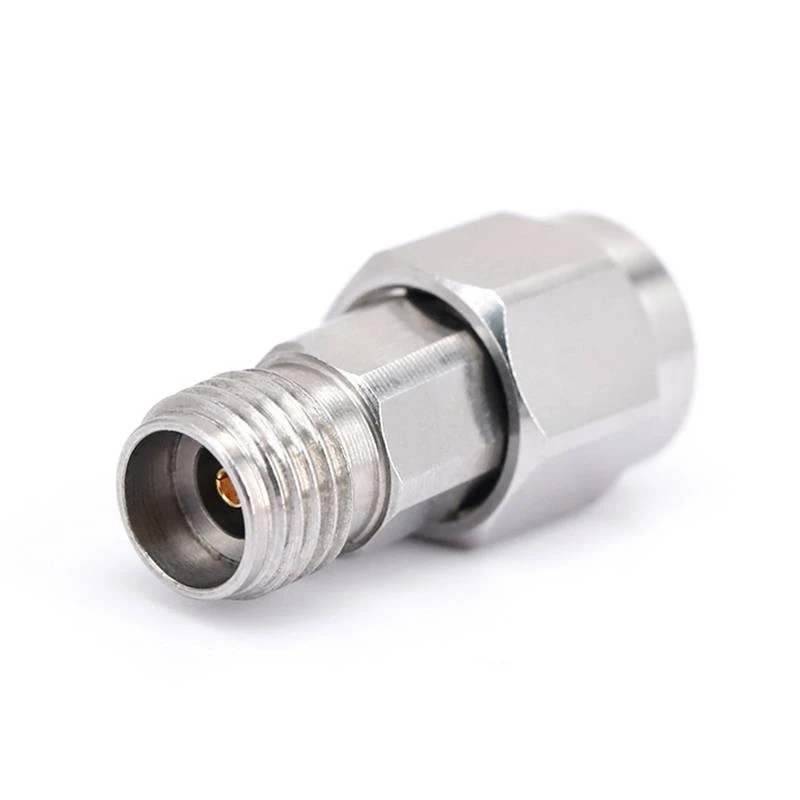
2.4mm Attenuators are known for their excellent electrical performance at high frequencies, typically up to 50 GHz or higher. They are often used in high - frequency, high - performance aerospace applications, such as millimeter - wave radar systems. However, they are generally more expensive and larger in size compared to SMA attenuators.
2.92mm Attenuators offer a good balance between performance and cost. They can operate up to 40 GHz and are commonly used in a variety of RF applications, including some aerospace systems. Like 2.4mm attenuators, they are larger and more expensive than SMA attenuators but offer better performance at higher frequencies.
Conclusion
In conclusion, SMA attenuators can be used in many aerospace applications, especially those with lower power requirements, limited space, and budget constraints. Their compact size, cost - effectiveness, wide frequency range, and high availability make them attractive options for a variety of aerospace systems. However, their limitations in power handling capacity, environmental sensitivity, and mechanical durability need to be carefully considered.
If you are involved in an aerospace project and are considering the use of SMA attenuators, we, as a SMA Attenuators supplier, are here to help. Our team of experts can provide you with detailed technical information, product recommendations, and support to ensure that you select the right attenuators for your specific application. Contact us today to start a discussion about your procurement needs and explore how our SMA attenuators can meet your aerospace requirements.
References
- "RF and Microwave Attenuators: Theory, Design, and Applications" by David M. Pozar
- "Aerospace Avionics Systems: A Modern Approach" by Eric P. W. Haugse
- Industry standards and technical documents related to RF components in aerospace applications.


