
How do shock loads affect connectors?
Leave a message

Shock loads are a critical consideration in the performance and reliability of connectors. As a leading supplier of Connector Loads, I've witnessed firsthand how shock loads can significantly impact these essential components. In this blog, we'll delve into the various ways shock loads affect connectors and explore strategies to mitigate their negative effects.
Understanding Shock Loads
Shock loads refer to sudden, intense forces applied to a connector over a short period. These forces can arise from a variety of sources, such as mechanical impacts, vibrations, rapid acceleration or deceleration, and even electrical surges. Unlike static loads, which are constant and predictable, shock loads are transient and can exert much higher stresses on connectors.
How Shock Loads Affect Connectors
Mechanical Damage
One of the most immediate and visible effects of shock loads is mechanical damage to the connector. The sudden impact can cause the connector's housing to crack, break, or deform. This not only compromises the physical integrity of the connector but also exposes its internal components to environmental factors such as dust, moisture, and contaminants. For example, a cracked housing can allow water to seep in, leading to corrosion and electrical failures.
The pins or contacts within the connector are also vulnerable to shock loads. They can become bent, misaligned, or even broken, which can disrupt the electrical connection. A bent pin may not make proper contact with the mating connector, resulting in intermittent or complete loss of signal transmission. This is particularly problematic in high - speed data transmission applications where even a brief interruption can cause data errors or system malfunctions.
Electrical Performance Degradation
Shock loads can have a profound impact on the electrical performance of connectors. The mechanical stress can change the impedance of the connector, which is a measure of its opposition to the flow of electrical current. A change in impedance can lead to signal reflections, where a portion of the electrical signal is bounced back instead of being transmitted through the connector. Signal reflections can cause attenuation (loss of signal strength), distortion, and interference, all of which can degrade the quality of the electrical signal.
In addition, shock loads can cause arcing between the contacts. Arcing occurs when there is a sudden interruption in the electrical current, creating a high - voltage spark. This can damage the contact surfaces, leading to increased resistance and further degradation of the electrical performance. Over time, repeated arcing can cause pitting and erosion of the contacts, reducing their lifespan and reliability.
Connection Loosening
Another significant effect of shock loads is the loosening of the connection between the connector and its mating component. The vibration and impact associated with shock loads can cause the locking mechanisms or fasteners to loosen, allowing the connector to move or separate. A loose connection can result in intermittent electrical contact, which can be difficult to diagnose and can lead to intermittent system failures.
In some cases, the connector may even become completely detached from its mating component. This can be catastrophic in applications where continuous electrical connection is critical, such as in aerospace, automotive, and medical devices.
Impact on Different Types of Connector Loads
3.5mm RF Loads
3.5mm RF Loads are commonly used in radio frequency (RF) applications. Shock loads can have a significant impact on their performance. The precise dimensions and electrical characteristics of 3.5mm RF loads are crucial for maintaining signal integrity. A shock load can cause the internal structure of the load to shift, altering its impedance and affecting the RF signal transmission. This can lead to increased signal loss and reduced performance in RF systems.
GPPO RF Loads
GPPO RF Loads are designed for high - frequency applications. They are often used in test and measurement equipment, as well as in communication systems. Shock loads can cause the delicate internal components of GPPO RF loads to become damaged or misaligned. This can result in changes in the load's electrical properties, such as its return loss and voltage standing wave ratio (VSWR). Any deviation from the specified values can affect the accuracy of the test results or the performance of the communication system.
2.92mm RF Loads
2.92mm RF Loads are used in high - performance RF applications, including microwave and millimeter - wave systems. These loads are designed to handle high frequencies and power levels. Shock loads can cause the contacts in 2.92mm RF loads to become damaged or lose their proper alignment. This can lead to increased insertion loss and signal degradation, which can be particularly problematic in high - frequency applications where even small losses can have a significant impact on system performance.
Mitigating the Effects of Shock Loads
Design Considerations
When designing connectors, it's essential to consider the potential for shock loads. This includes using materials that are strong and durable enough to withstand the expected forces. For example, connectors can be made from high - strength plastics or metals with good impact resistance.
The design of the connector's housing and internal components should also be optimized to minimize the effects of shock loads. This can include features such as reinforced housing, shock - absorbing gaskets, and secure locking mechanisms. Additionally, the layout of the pins or contacts can be designed to reduce the risk of bending or misalignment during a shock event.
Mounting and Installation
Proper mounting and installation of connectors are crucial for reducing the impact of shock loads. Connectors should be securely fastened to their mounting surfaces using appropriate fasteners and techniques. This can help to prevent the connector from moving or vibrating during a shock event.
In addition, the use of shock - absorbing mounts or isolators can help to reduce the transmission of shock loads to the connector. These mounts can be made from materials such as rubber or foam, which can absorb and dissipate the energy of the shock.
Testing and Quality Control
To ensure the reliability of connectors under shock loads, rigorous testing and quality control procedures should be implemented. This includes subjecting connectors to simulated shock load tests during the manufacturing process. These tests can help to identify any potential weaknesses or design flaws in the connector and allow for corrective action to be taken before the product is released to the market.
Conclusion
Shock loads can have a significant impact on the performance and reliability of connectors. As a Connector Loads supplier, we understand the importance of providing connectors that can withstand these challenging conditions. By considering the effects of shock loads during the design, manufacturing, and installation processes, we can ensure that our connectors meet the highest standards of quality and performance.
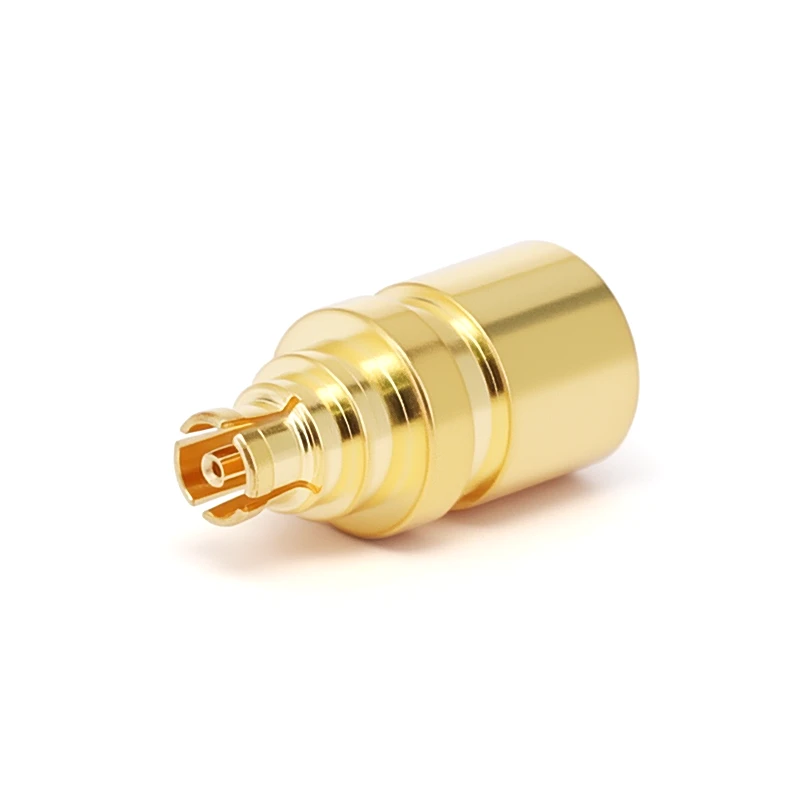

If you're in the market for high - quality Connector Loads that can withstand shock loads, we invite you to contact us for a consultation. Our team of experts can help you select the right connectors for your specific application and provide you with the support and guidance you need to ensure a successful installation.
References
- "Connector Handbook" by John A. DeBoer
- "RF and Microwave Engineering" by David M. Pozar
- "Mechanical Design for Shock and Vibration" by Robert J. Schmitz


