
How to store RF connectors properly?
Leave a message

As an RF connectors supplier, I understand the critical importance of proper storage for these precision components. RF connectors play a vital role in various industries, from telecommunications to aerospace, and their performance can be significantly affected by improper storage conditions. In this blog post, I will share some essential guidelines on how to store RF connectors properly to ensure their longevity and optimal functionality.
Understanding the Risks of Improper Storage
Before delving into the storage methods, it is crucial to understand the potential risks associated with improper storage of RF connectors. Exposure to extreme temperatures, humidity, dust, and mechanical stress can all have detrimental effects on the connectors' performance.
- Temperature and Humidity: Extreme temperatures can cause the materials in the connectors to expand or contract, leading to mechanical stress and potential damage. High humidity can also cause corrosion and oxidation, which can degrade the electrical performance of the connectors over time.
- Dust and Particles: Dust and other particles can accumulate on the connector surfaces, causing electrical interference and signal loss. This is especially problematic for high-frequency RF connectors, where even minor contaminants can have a significant impact on performance.
- Mechanical Stress: Improper handling and storage can subject the connectors to mechanical stress, such as bending, twisting, or impact. This can damage the delicate internal components of the connectors, leading to poor electrical contact and performance issues.
Ideal Storage Conditions
To minimize the risks associated with improper storage, it is essential to store RF connectors in an environment that meets the following conditions:
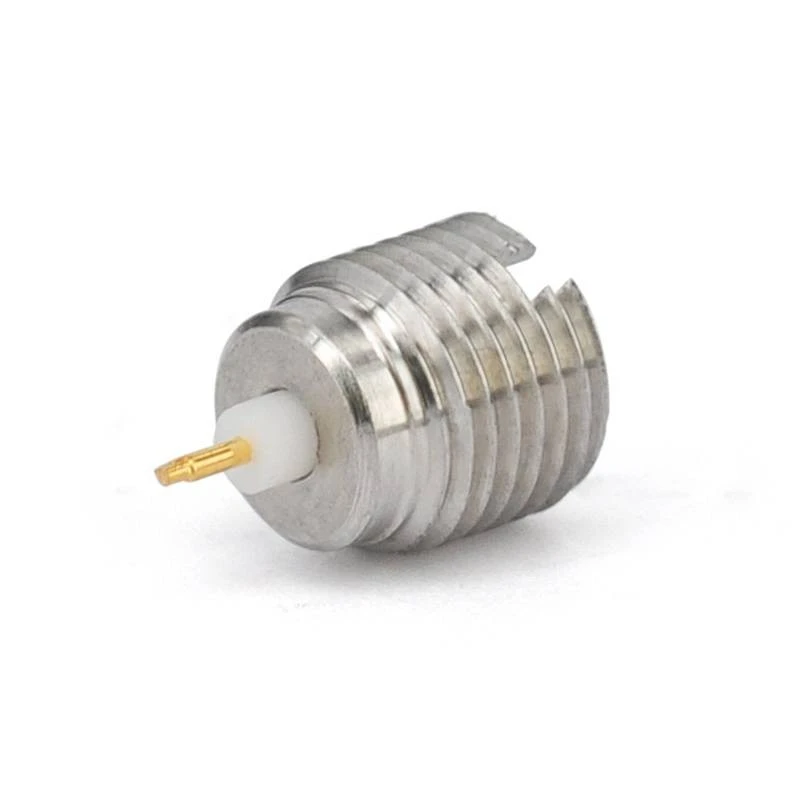
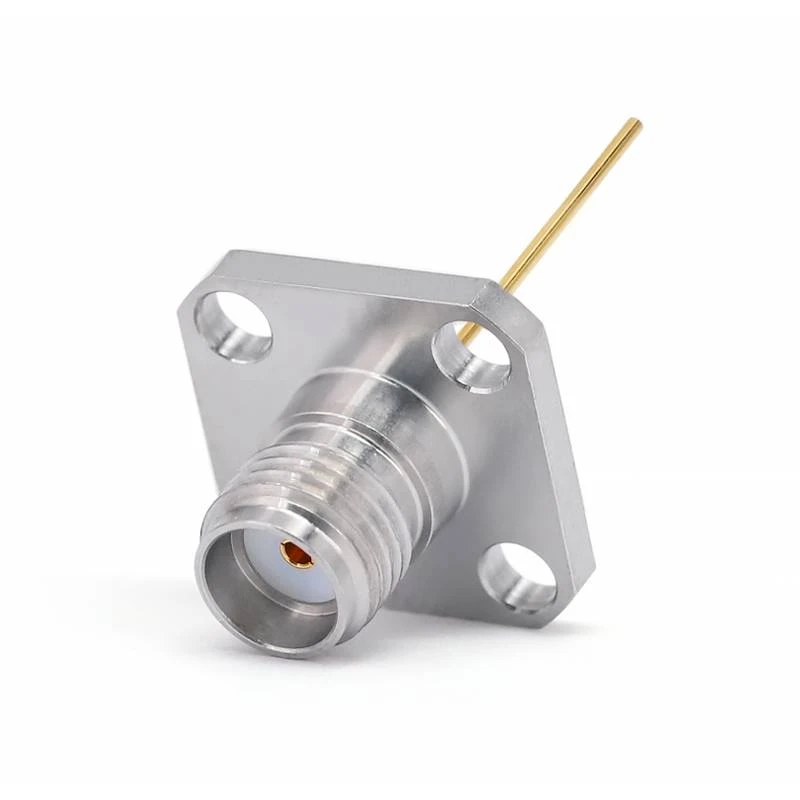
- Temperature: The ideal storage temperature for RF connectors is between 10°C and 30°C (50°F and 86°F). Avoid storing the connectors in areas that are subject to extreme temperature fluctuations, such as near heating or cooling vents.
- Humidity: The relative humidity in the storage area should be maintained between 30% and 60%. High humidity can be controlled using dehumidifiers, while low humidity can be addressed using humidifiers.
- Cleanliness: The storage area should be clean and free of dust and other contaminants. Consider using a cleanroom or a dedicated storage cabinet to protect the connectors from dust and particles.
- Protection from Mechanical Stress: RF connectors should be stored in a way that protects them from mechanical stress. This can be achieved by using proper storage containers and packaging materials, such as foam inserts or anti-static bags.
Storage Containers and Packaging
Choosing the right storage containers and packaging materials is essential for protecting RF connectors during storage. Here are some recommendations:
- Anti-Static Bags: Anti-static bags are designed to protect electronic components from electrostatic discharge (ESD). They are an excellent choice for storing RF connectors, as they help prevent damage to the connectors' sensitive internal components.
- Foam Inserts: Foam inserts can be used to provide cushioning and protection for RF connectors. They help prevent the connectors from moving around during storage and transportation, reducing the risk of mechanical damage.
- Storage Cabinets: A dedicated storage cabinet can provide a secure and controlled environment for storing RF connectors. Look for a cabinet that is made of a non-conductive material, such as plastic or wood, and has adjustable shelves to accommodate different sizes of connectors.
Specific Storage Considerations for Different Types of RF Connectors
Different types of RF connectors may have specific storage requirements. Here are some considerations for common types of RF connectors:
- Field Replaceable Connectors: Field Replaceable Connectors are designed to be easily installed and removed in the field. When storing these connectors, it is important to keep them clean and protected from dust and debris. Consider using a protective cap or cover to prevent contamination of the connector interfaces.
- Connector Dust Caps: Connector Dust Caps are used to protect the connector interfaces from dust and moisture when the connectors are not in use. Make sure to keep the dust caps on the connectors at all times during storage to prevent contamination.
- Terminal Connectors: Terminal Connectors are used to terminate cables and wires. When storing terminal connectors, it is important to keep them organized and protected from damage. Consider using a storage container or organizer with compartments to keep the connectors separated and prevent them from getting tangled or damaged.
Regular Inspection and Maintenance
In addition to proper storage, regular inspection and maintenance of RF connectors are essential to ensure their continued performance. Here are some tips for inspecting and maintaining RF connectors:
- Visual Inspection: Regularly inspect the connectors for signs of damage, such as cracks, scratches, or corrosion. If any damage is detected, the connectors should be replaced immediately.
- Cleaning: Clean the connectors regularly using a clean, dry cloth or a specialized cleaning solution. Avoid using abrasive materials or solvents that may damage the connectors.
- Testing: Periodically test the connectors to ensure their electrical performance meets the required specifications. This can be done using a network analyzer or other test equipment.
Conclusion
Proper storage of RF connectors is essential to ensure their longevity and optimal functionality. By understanding the risks associated with improper storage, maintaining ideal storage conditions, using the right storage containers and packaging materials, and following specific storage considerations for different types of connectors, you can protect your RF connectors from damage and ensure their reliable performance.
If you are in the market for high-quality RF connectors or need more information on proper storage and handling, please feel free to contact us. We are a leading supplier of RF connectors and offer a wide range of products to meet your specific needs. Our team of experts is always available to provide you with the support and guidance you need to make the right choice for your application.
References
- "RF Connector Handbook," by ARRL.
- "Best Practices for RF Connector Storage and Handling," by Amphenol.
- "Proper Storage and Handling of RF Connectors," by TE Connectivity.


