

How do phase trimmers respond to sudden voltage changes?
Leave a message

Hey there! As a supplier of Phase Trimmers, I've gotten a ton of questions about how these nifty devices respond to sudden voltage changes. It's a topic that's super important, especially for those in the electronics field. So, let's dive right in and explore this together.
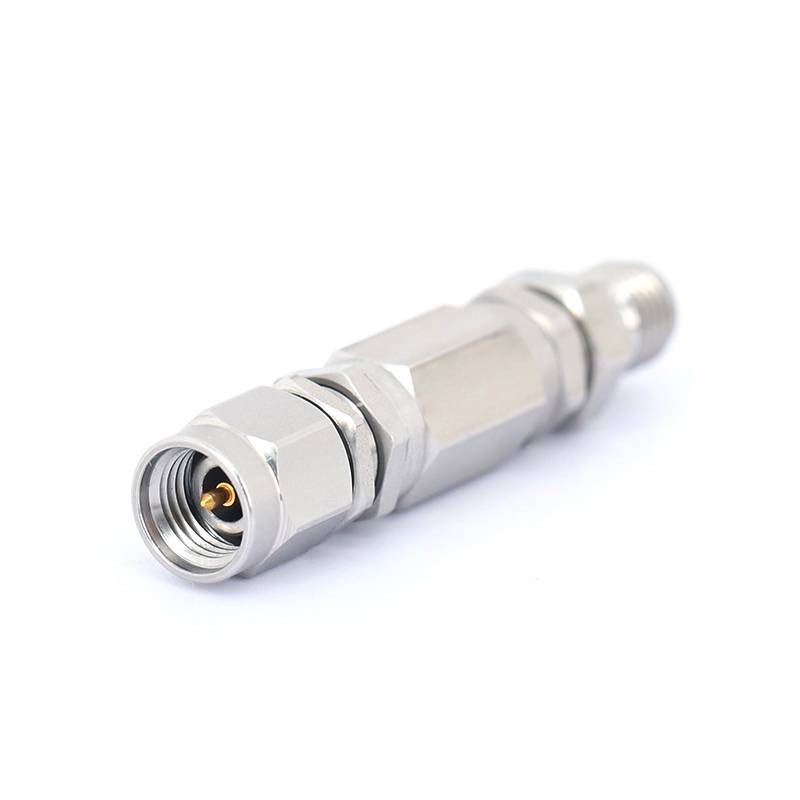
First off, what are Phase Trimmers? Well, Phase Trimmers are adjustable components used to fine - tune the phase of an electrical signal. They're crucial in many applications, from radio frequency (RF) systems to audio equipment. You can learn more about them on our Phase Trimmers page.
Now, let's talk about sudden voltage changes. In real - world scenarios, electrical systems can experience all sorts of voltage fluctuations. These can be caused by things like lightning strikes, power grid issues, or even the sudden switching on or off of large electrical loads. When a sudden voltage change occurs, Phase Trimmers need to be able to handle it without going haywire.
One of the key factors in how Phase Trimmers respond to voltage changes is their design. Most Phase Trimmers are built with certain electrical characteristics that help them deal with these situations. For example, they often have a certain level of voltage tolerance. This means that they can handle a certain amount of voltage variation without getting damaged or losing their ability to function properly.
Let's say we have a sudden increase in voltage. When this happens, the Phase Trimmer's internal components, like resistors and capacitors, start to react. The resistors may heat up a bit as the current flowing through them increases. But, if the voltage increase is within the trimmer's tolerance range, the resistors will be able to dissipate the extra heat without any major problems.
Capacitors in the Phase Trimmer also play an important role. They store electrical energy and can help smooth out the voltage changes. When there's a sudden voltage spike, the capacitors can absorb some of the excess energy, preventing it from causing damage to other parts of the trimmer.
However, if the voltage change is too large and goes beyond the trimmer's tolerance, things can get a bit dicey. The resistors may overheat and burn out, and the capacitors could fail. This can lead to a malfunction of the Phase Trimmer, which means it won't be able to adjust the phase of the signal accurately anymore.
Another aspect to consider is the response time of the Phase Trimmer. When a voltage change occurs, the trimmer needs to react quickly to maintain the proper phase adjustment. Some high - quality Phase Trimmers are designed with fast response times. They can sense the voltage change almost immediately and start making the necessary adjustments to keep the phase of the signal stable.

On the other hand, cheaper or lower - quality Phase Trimmers may have slower response times. This can result in a delay in the phase adjustment, which can be a problem in applications where precise phase control is crucial, like in some communication systems.
In addition to the internal components and response time, the materials used in the construction of the Phase Trimmer also matter. High - quality materials are more likely to withstand sudden voltage changes. For example, using high - grade resistive materials can improve the trimmer's ability to handle heat generated by voltage fluctuations.
We've also done a lot of testing on our Phase Trimmers to ensure they can handle different voltage change scenarios. We simulate various voltage spikes and drops in our lab to see how the trimmers perform. This helps us fine - tune our designs and make sure that our products are reliable in real - world situations.
Now, let's talk about why all of this matters to you. If you're in the business of building or using electronic devices that require phase adjustment, having a reliable Phase Trimmer is essential. A trimmer that can't handle sudden voltage changes can lead to signal distortion, reduced performance, and even complete system failure.
For example, in a wireless communication system, a malfunctioning Phase Trimmer can cause interference and poor signal quality. This can result in dropped calls, slow data transfer rates, and a generally lousy user experience.
So, when you're looking for a Phase Trimmer, it's important to choose one that can handle sudden voltage changes. And that's where we come in. As a supplier of Phase Trimmers, we've spent years perfecting our products to ensure they meet the highest standards of quality and reliability.
Our Phase Trimmers are designed with the latest technology and high - quality materials. They have a wide voltage tolerance range and fast response times, making them ideal for a variety of applications. Whether you're working on a small DIY project or a large - scale industrial system, our Phase Trimmers can provide the precise phase adjustment you need.
If you're interested in learning more about our Phase Trimmers or want to discuss your specific requirements, don't hesitate to reach out. We're always happy to have a chat and help you find the right solution for your project.
In conclusion, understanding how Phase Trimmers respond to sudden voltage changes is crucial for anyone working with electronic systems. By choosing a high - quality Phase Trimmer from a reliable supplier, you can ensure that your devices will perform at their best, even in the face of voltage fluctuations.
References:
- Electronics textbooks on component behavior under voltage changes
- Industry reports on the performance of Phase Trimmers in different electrical environments


