
How does an RF adapter work in wireless communication?
Leave a message

In the realm of wireless communication, RF (Radio Frequency) adapters play a crucial role in ensuring seamless connectivity and efficient signal transmission. As a leading RF adapter supplier, I am excited to delve into the intricacies of how these devices work and their significance in modern wireless systems.
Understanding RF Signals and the Need for Adapters
Wireless communication relies on the transmission of RF signals through the air. These signals carry information such as voice, data, and video, enabling devices to communicate with each other over a distance. However, different devices and systems often use different types of RF connectors and interfaces, which can pose a challenge when trying to establish a connection.
RF adapters serve as the bridge between these disparate connectors, allowing devices with different interfaces to communicate effectively. They come in various shapes and sizes, each designed to match specific connector types and frequencies. By using an RF adapter, users can easily connect devices that would otherwise be incompatible, expanding the versatility and functionality of their wireless systems.
The Working Principle of RF Adapters
At its core, an RF adapter is a passive device that consists of two or more connectors joined together by a conductive path. The connectors are designed to match the specific interface of the devices they are intended to connect, while the conductive path ensures the efficient transfer of RF signals between them.

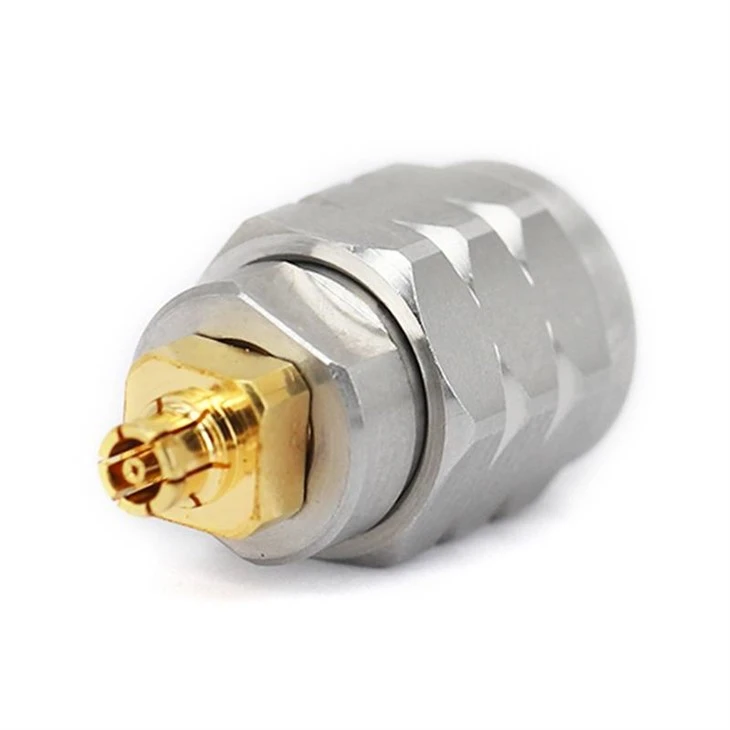
When an RF signal enters the adapter through one connector, it travels along the conductive path and exits through the other connector. The adapter is designed to minimize signal loss and distortion during this process, ensuring that the signal remains strong and clear. This is achieved through careful design and construction, using high-quality materials and precise manufacturing techniques.
One of the key factors that determine the performance of an RF adapter is its impedance matching. Impedance is a measure of the opposition to the flow of an RF signal, and it is crucial that the impedance of the adapter matches that of the devices it is connecting. If the impedance is not matched correctly, a portion of the signal will be reflected back, resulting in signal loss and degradation.
To ensure proper impedance matching, RF adapters are typically designed with a specific characteristic impedance, such as 50 ohms or 75 ohms. This impedance is carefully selected to match the impedance of the devices and systems they are intended to work with. By using an adapter with the correct impedance, users can minimize signal loss and ensure optimal performance.
Types of RF Adapters
There are many different types of RF adapters available on the market, each designed for specific applications and connector types. Some of the most common types of RF adapters include:
- Gender Adapters: These adapters are used to change the gender of a connector, allowing male and female connectors to be connected together. For example, a male-to-female adapter can be used to connect a male connector to a female connector, while a female-to-male adapter can be used to connect a female connector to a male connector.
- Size Adapters: These adapters are used to change the size of a connector, allowing connectors of different sizes to be connected together. For example, a 2.92mm to 1.85mm adapter can be used to connect a device with a 2.92mm connector to a device with a 1.85mm connector. You can find our 2.92mm Adapter and 1.85mm Adapter on our website.
- Frequency Adapters: These adapters are used to change the frequency range of a connector, allowing devices operating at different frequencies to be connected together. For example, a high-frequency adapter can be used to connect a device operating at a high frequency to a device operating at a lower frequency.
- Interface Adapters: These adapters are used to connect devices with different types of interfaces, such as coaxial cables, waveguides, and printed circuit boards. For example, a coaxial-to-waveguide adapter can be used to connect a coaxial cable to a waveguide, while a PCB-to-coaxial adapter can be used to connect a printed circuit board to a coaxial cable.
Applications of RF Adapters
RF adapters are used in a wide range of applications, from consumer electronics to industrial and military systems. Some of the most common applications of RF adapters include:
- Telecommunications: RF adapters are used in telecommunications systems to connect antennas, transmitters, receivers, and other equipment. They are essential for ensuring the efficient transmission and reception of RF signals, enabling reliable communication over long distances.
- Wireless Networks: RF adapters are used in wireless networks to connect routers, access points, and other devices. They are crucial for ensuring the seamless operation of wireless networks, allowing devices to communicate with each other without the need for physical cables.
- Test and Measurement: RF adapters are used in test and measurement equipment to connect different types of instruments and devices. They are essential for accurate and reliable testing of RF components and systems, allowing engineers and technicians to diagnose and troubleshoot problems quickly and easily.
- Aerospace and Defense: RF adapters are used in aerospace and defense systems to connect antennas, radar systems, and other equipment. They are crucial for ensuring the reliable operation of these systems in harsh environments, where signal integrity and performance are critical.
Why Choose Our RF Adapters
As a leading RF adapter supplier, we are committed to providing our customers with high-quality products and exceptional service. Our RF adapters are designed and manufactured to the highest standards, using the latest technology and materials. We offer a wide range of adapters to meet the needs of different applications and connector types, and we can also provide custom solutions to meet specific customer requirements.
In addition to our high-quality products, we also offer competitive pricing and fast delivery times. We understand the importance of getting our customers the products they need when they need them, and we are committed to providing excellent customer service at all times.
If you are looking for a reliable and high-quality RF adapter supplier, look no further. Contact us today to learn more about our products and services, and to discuss your specific requirements. We look forward to working with you to provide the best RF adapter solutions for your wireless communication needs.
References
- Pozar, D. M. (2011). Microwave Engineering (4th ed.). Wiley.
- Collin, R. E. (2001). Foundations for Microwave Engineering (2nd ed.). Wiley.
- Johnson, H. W., & Graham, M. (2003). High-Speed Signal Propagation: Advanced Black Magic. Prentice Hall.


