
What materials are phase trimmers made of?
Leave a message

Phase trimmers are essential components in many electronic devices, offering precise control over phase shifts in radio frequency (RF) and microwave circuits. As a leading supplier of Phase Trimmers, I am often asked about the materials used in their construction. Understanding these materials is crucial for engineers and designers to select the right phase trimmers for their specific applications. In this blog post, I will delve into the various materials commonly used in phase trimmers and their impact on performance.
Dielectric Materials
Dielectric materials play a vital role in phase trimmers as they determine the capacitance and the phase shift characteristics. These materials are used in the construction of the capacitor section of the phase trimmer, which is responsible for adjusting the phase of the electrical signal.
Ceramic
Ceramic is one of the most widely used dielectric materials in phase trimmers. It offers several advantages, including high dielectric constant, low loss, and excellent temperature stability. The high dielectric constant allows for a smaller physical size of the capacitor, making it suitable for applications where space is limited. Additionally, ceramic materials have a low dissipation factor, which means they can operate with minimal energy loss, resulting in high efficiency.
Different types of ceramic materials are used depending on the specific requirements of the phase trimmer. For example, high - K ceramics are used when a large capacitance value is needed, while low - K ceramics are preferred for applications that require high - frequency performance and low loss.
Teflon (Polytetrafluoroethylene - PTFE)
Teflon is another popular dielectric material for phase trimmers, especially in high - frequency applications. It has a very low dielectric constant, which results in low dispersion and excellent high - frequency performance. Teflon also has a low coefficient of thermal expansion, which means it can maintain its electrical properties over a wide range of temperatures.
The smooth surface of Teflon reduces the risk of signal loss due to surface roughness, making it ideal for applications where signal integrity is critical. However, Teflon is more expensive than ceramic, which may limit its use in cost - sensitive applications.
Mica
Mica is a natural dielectric material that has been used in electronic components for many years. It has a relatively high dielectric constant, good temperature stability, and low loss. Mica is also mechanically strong and can withstand high voltages, making it suitable for high - power phase trimmers.
One of the advantages of mica is its ability to be easily fabricated into thin sheets, which allows for the construction of compact capacitors. However, mica is a natural material, and its properties can vary depending on the source, which may require careful selection and testing.

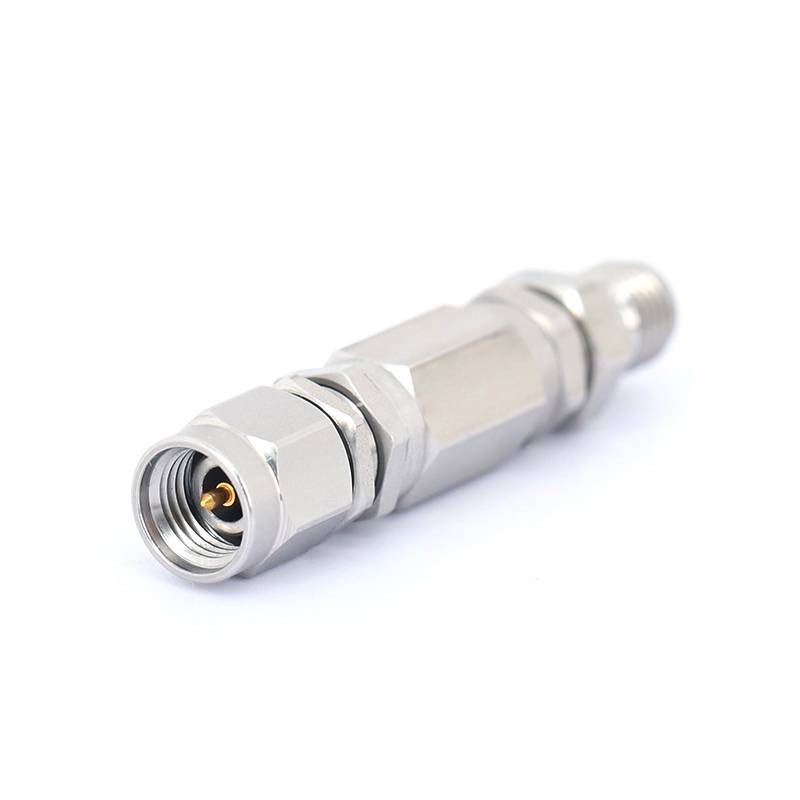
Conductive Materials
Conductive materials are used to form the electrodes and the interconnects in phase trimmers. These materials need to have low resistance to minimize signal loss and good conductivity to ensure efficient transfer of electrical signals.
Copper
Copper is the most commonly used conductive material in phase trimmers. It has excellent electrical conductivity, high thermal conductivity, and is relatively inexpensive. Copper can be easily fabricated into various shapes, such as foils and wires, which makes it suitable for different types of phase trimmer designs.
In addition to its electrical properties, copper also has good corrosion resistance, which helps to ensure the long - term reliability of the phase trimmer. However, copper can oxidize over time, especially in high - humidity environments, which may affect its performance. To prevent oxidation, copper is often coated with a thin layer of tin or other protective materials.
Silver
Silver is another highly conductive material that is sometimes used in phase trimmers, especially in high - performance applications. It has the highest electrical conductivity of all metals, which results in lower signal loss and better high - frequency performance compared to copper.
Silver also has good corrosion resistance and can form a stable oxide layer, which helps to maintain its electrical properties. However, silver is more expensive than copper, which limits its use to applications where cost is not the primary concern.
Gold
Gold is a noble metal that is used in phase trimmers for its excellent conductivity, corrosion resistance, and biocompatibility. It is often used as a coating on the electrodes or interconnects to improve the contact resistance and prevent oxidation.
Gold is particularly useful in applications where the phase trimmer needs to operate in harsh environments or where long - term reliability is crucial. However, gold is the most expensive of the conductive materials, and its use is typically limited to high - end or specialized applications.
Magnetic Materials
In some phase trimmers, magnetic materials are used to provide additional control over the phase shift. These materials can be used in the construction of inductors or transformers, which can be integrated into the phase trimmer circuit.
Ferrite
Ferrite is a type of magnetic material that is commonly used in phase trimmers. It has a high magnetic permeability, which allows for the construction of compact inductors. Ferrite materials also have low losses at high frequencies, making them suitable for RF and microwave applications.
Ferrite can be formulated to have different magnetic properties, such as high saturation magnetization or low coercivity, depending on the specific requirements of the phase trimmer. However, ferrite materials are brittle and can be easily damaged during handling, which requires careful design and packaging.
Packaging Materials
The packaging materials used in phase trimmers are important for protecting the internal components from environmental factors such as moisture, dust, and mechanical stress. These materials also need to have good electrical insulation properties to prevent electrical interference.
Plastic
Plastic is a widely used packaging material for phase trimmers due to its low cost, ease of molding, and good electrical insulation properties. Different types of plastics, such as polycarbonate, polyethylene, and polypropylene, can be used depending on the specific requirements of the application.
Plastic packaging can be designed to provide a hermetic seal, which helps to protect the internal components from moisture and other contaminants. However, some plastics may have a relatively high coefficient of thermal expansion, which may affect the performance of the phase trimmer in high - temperature applications.
Ceramic
Ceramic packaging is used in high - performance phase trimmers where excellent thermal stability and mechanical strength are required. Ceramic materials have a low coefficient of thermal expansion, which means they can maintain their shape and electrical properties over a wide range of temperatures.
Ceramic packaging also provides good electrical insulation and can be hermetically sealed to protect the internal components. However, ceramic is more expensive than plastic and is more difficult to machine, which may increase the manufacturing cost.
Impact of Materials on Performance
The choice of materials in phase trimmers has a significant impact on their performance. Dielectric materials affect the capacitance, phase shift range, and loss characteristics of the phase trimmer. Conductive materials influence the signal loss and the efficiency of the electrical signal transfer. Magnetic materials, if used, can provide additional control over the phase shift.
For example, in high - frequency applications, materials with low loss and high - frequency stability, such as Teflon and silver, are preferred. In applications where cost is a major consideration, ceramic and copper may be the more suitable choices.
Conclusion
As a supplier of Phase Trimmers, I understand the importance of using the right materials to ensure the high performance and reliability of our products. The materials used in phase trimmers, including dielectric, conductive, magnetic, and packaging materials, each have their own unique properties and advantages.
Engineers and designers need to carefully consider the specific requirements of their applications, such as frequency range, power level, temperature stability, and cost, when selecting phase trimmers. By understanding the materials used in phase trimmers, they can make informed decisions and choose the products that best meet their needs.
If you are interested in purchasing phase trimmers or have any questions about our products, please feel free to contact us. Our team of experts is ready to assist you in finding the right solutions for your applications.
References
- “Handbook of Electronic Materials” by John Wiley & Sons
- “RF and Microwave Circuit Design for Wireless Applications” by Artech House
- Technical datasheets of phase trimmers from various manufacturers


