

How to ensure the accuracy of VNA test cables?
Leave a message

As a supplier of VNA Test Cables, ensuring the accuracy of these cables is of utmost importance. In the field of test and measurement, the precision of VNA (Vector Network Analyzer) test cables directly impacts the reliability of measurement results. This blog will explore various aspects of how to ensure the accuracy of VNA test cables, from cable selection to maintenance and calibration.
Cable Selection
The first step in ensuring the accuracy of VNA test cables is proper cable selection. When choosing VNA test cables, several factors need to be considered. Firstly, the frequency range of the cable should match the requirements of the measurement. Different applications may require cables with different frequency capabilities. For example, high - frequency applications, such as those in the microwave and millimeter - wave ranges, demand cables with low loss and high phase stability at those frequencies.
Secondly, the cable's electrical characteristics, such as characteristic impedance, attenuation, and VSWR (Voltage Standing Wave Ratio), are crucial. The characteristic impedance of the cable should be well - matched to the impedance of the VNA and the device under test. A mismatch in impedance can lead to signal reflections, which will affect the accuracy of the measurement. Attenuation should be as low as possible to minimize signal loss, especially in long - distance or high - frequency measurements. A low VSWR indicates a good match between the cable and the connected devices, reducing signal reflections.
We offer a wide range of VNA Test Cables that are designed to meet different frequency and performance requirements. Our cables are carefully manufactured using high - quality materials to ensure excellent electrical characteristics and long - term stability.
Installation and Handling
Proper installation and handling of VNA test cables are also essential for maintaining their accuracy. During installation, it is important to avoid sharp bends and kinks in the cables. Sharp bends can cause damage to the internal structure of the cable, leading to increased attenuation and changes in electrical characteristics. The minimum bend radius specified by the cable manufacturer should be strictly followed.
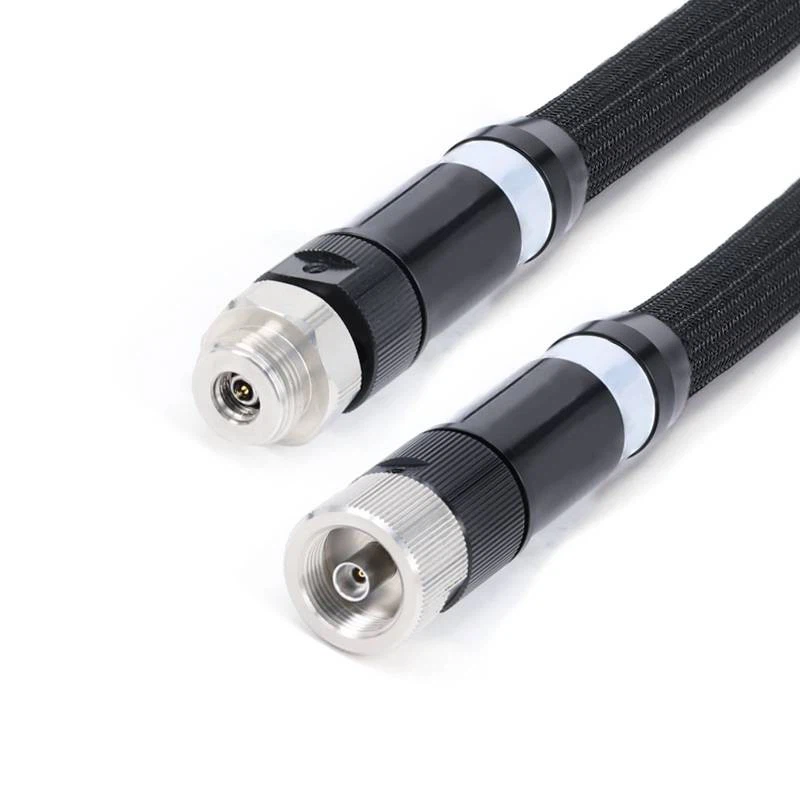
When connecting the cables to the VNA and the device under test, ensure that the connectors are properly mated. Loose or misaligned connectors can introduce additional signal reflections and losses. Clean the connectors regularly to remove dirt, dust, and oxidation, which can also affect the electrical contact and measurement accuracy.
In addition, cables should be protected from mechanical stress, such as pulling and twisting. Excessive mechanical stress can damage the cable's internal conductors and dielectric materials, degrading its performance over time.
Calibration
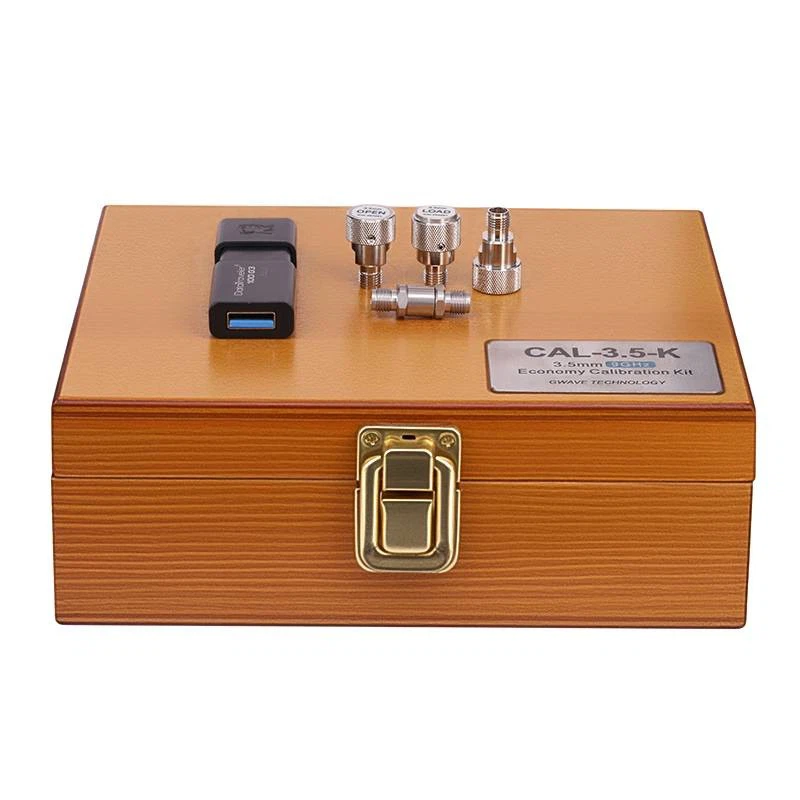
Calibration is a critical step in ensuring the accuracy of VNA test cables. Calibration compensates for the inherent errors in the cables, such as attenuation, phase shift, and impedance mismatch. A Calibration Kits is typically used to perform the calibration process.
There are several calibration methods available, including SOLT (Short - Open - Load - Through), TRL (Thru - Reflect - Line), and LRM (Line - Reflect - Match). The choice of calibration method depends on the specific application and the available calibration standards.
Regular calibration is necessary to maintain the accuracy of the cables. The calibration interval should be determined based on the frequency of use, the environment in which the cables are used, and the required measurement accuracy. In general, it is recommended to calibrate the cables at least once every few months or after a certain number of measurement cycles.
Environmental Considerations
The environment in which VNA test cables are used can also affect their accuracy. Temperature, humidity, and electromagnetic interference (EMI) are the main environmental factors to consider.
Temperature changes can cause the physical and electrical properties of the cables to change. For example, the dielectric constant of the cable's insulation material may vary with temperature, leading to changes in phase and attenuation. To minimize the impact of temperature, cables should be used within the temperature range specified by the manufacturer. In some cases, temperature - controlled environments may be required for high - precision measurements.
Humidity can also have a negative impact on the cables. Moisture can penetrate the cable's insulation, causing corrosion of the conductors and increasing signal loss. Cables should be stored and used in dry environments, and moisture - resistant cables may be considered for applications in humid conditions.
EMI can introduce unwanted noise and interference into the measurement signals. To reduce the impact of EMI, cables should be shielded properly. Our VNA test cables are equipped with high - quality shielding to provide excellent EMI protection.
Maintenance and Inspection
Regular maintenance and inspection of VNA test cables are necessary to ensure their long - term accuracy. Visual inspection should be carried out regularly to check for any signs of damage, such as cuts, abrasions, or loose connectors. If any damage is found, the cable should be repaired or replaced immediately.
In addition to visual inspection, electrical testing can be performed to monitor the cable's performance. This can include measuring the cable's attenuation, VSWR, and phase characteristics. Any significant changes in these parameters may indicate a problem with the cable.
We provide comprehensive maintenance and support services for our VNA test cables. Our experienced technicians can perform regular inspections and calibrations to ensure that your cables are always in optimal condition.
Conclusion
Ensuring the accuracy of VNA test cables requires a comprehensive approach that includes proper cable selection, installation, handling, calibration, environmental management, and maintenance. By following the guidelines outlined in this blog, you can minimize the errors in your VNA measurements and obtain reliable and accurate results.
If you are interested in purchasing high - quality VNA test cables or need more information about our products and services, please feel free to contact us for procurement and negotiation. We are committed to providing you with the best solutions for your test and measurement needs.
References
- "RF and Microwave Test and Measurement Handbook", Artech House, 2018.
- "Vector Network Analysis and Measurements", Wiley - IEEE Press, 2016.


