

How do the dimensions affect an RF adapter's installation and use?
Leave a message

When it comes to RF (Radio Frequency) adapters, dimensions play a crucial role in both their installation and use. As an RF adapter supplier, I've witnessed firsthand how different dimensions can significantly impact the performance and compatibility of these essential components. In this blog post, I'll delve into the various ways dimensions affect an RF adapter's installation and use, and provide insights based on my experience in the industry.
Physical Compatibility and Installation
One of the most obvious ways dimensions affect an RF adapter is through physical compatibility. RF adapters come in a wide range of sizes and connector types, each designed to fit specific devices and systems. For example, the SMA Adapter is a popular choice for many applications due to its compact size and high-frequency capabilities. It is commonly used in wireless communication systems, test equipment, and satellite communication.
The size of the adapter must match the dimensions of the connectors on the devices it is intended to connect. If the adapter is too large, it may not fit properly into the connector, leading to a loose or unstable connection. On the other hand, if the adapter is too small, it may not provide a secure fit, which can result in signal loss or interference. Therefore, it is essential to carefully select an RF adapter with the correct dimensions to ensure a proper installation.
In addition to the size of the adapter itself, the length of the adapter can also affect its installation. Longer adapters may be required in some cases to provide flexibility and reach between devices. However, longer adapters can also introduce additional signal loss due to increased cable length. Therefore, it is important to balance the need for flexibility with the potential impact on signal quality when choosing the length of an RF adapter.
Electrical Performance
The dimensions of an RF adapter can also have a significant impact on its electrical performance. The impedance of an RF adapter is a critical parameter that affects the transfer of electrical signals between devices. Impedance is determined by the physical dimensions and materials of the adapter, as well as the frequency of the signal.
For example, the 2.4mm Adapter is designed for high-frequency applications and has a characteristic impedance of 50 ohms. This impedance matching ensures that the signal is transferred efficiently between devices, minimizing signal loss and reflection. If the impedance of the adapter does not match the impedance of the devices it is connecting, it can result in signal distortion and reduced performance.
The dimensions of the adapter can also affect its frequency response. Different adapter sizes and connector types are designed to operate within specific frequency ranges. For example, the 1.85mm Adapter is capable of operating at frequencies up to 65 GHz, making it suitable for high-speed data transmission and microwave applications. Using an adapter with the wrong frequency response can result in signal attenuation and reduced performance at certain frequencies.
Environmental Considerations
In addition to physical compatibility and electrical performance, the dimensions of an RF adapter can also be influenced by environmental factors. For example, in harsh environments where the adapter may be exposed to moisture, dust, or extreme temperatures, the size and design of the adapter can affect its durability and reliability.
Smaller adapters may be more susceptible to damage from environmental factors due to their reduced size and less robust construction. On the other hand, larger adapters may provide better protection against environmental hazards but may be more difficult to install in tight spaces. Therefore, it is important to consider the environmental conditions in which the adapter will be used when selecting the appropriate dimensions.
Cost and Availability
The dimensions of an RF adapter can also have an impact on its cost and availability. Adapters with non-standard or specialized dimensions may be more expensive to manufacture and may have longer lead times for production. In addition, the availability of these adapters may be limited, which can make it difficult to source them in a timely manner.
On the other hand, standard-sized adapters are generally more readily available and may be more cost-effective. Therefore, it is important to balance the need for specific dimensions with the cost and availability of the adapter when making a purchasing decision.
Conclusion
In conclusion, the dimensions of an RF adapter play a crucial role in both its installation and use. Physical compatibility, electrical performance, environmental considerations, cost, and availability are all factors that need to be taken into account when selecting an RF adapter with the appropriate dimensions.
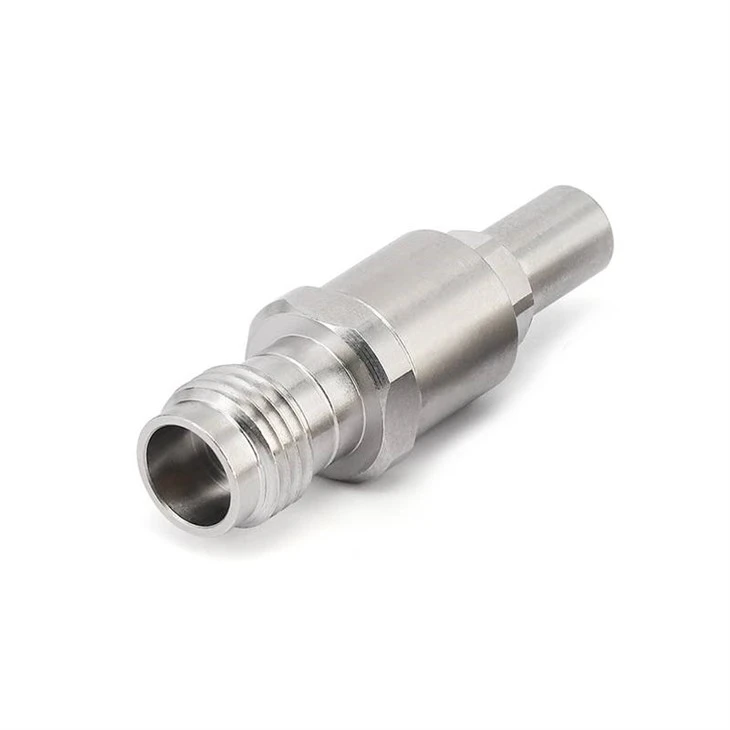
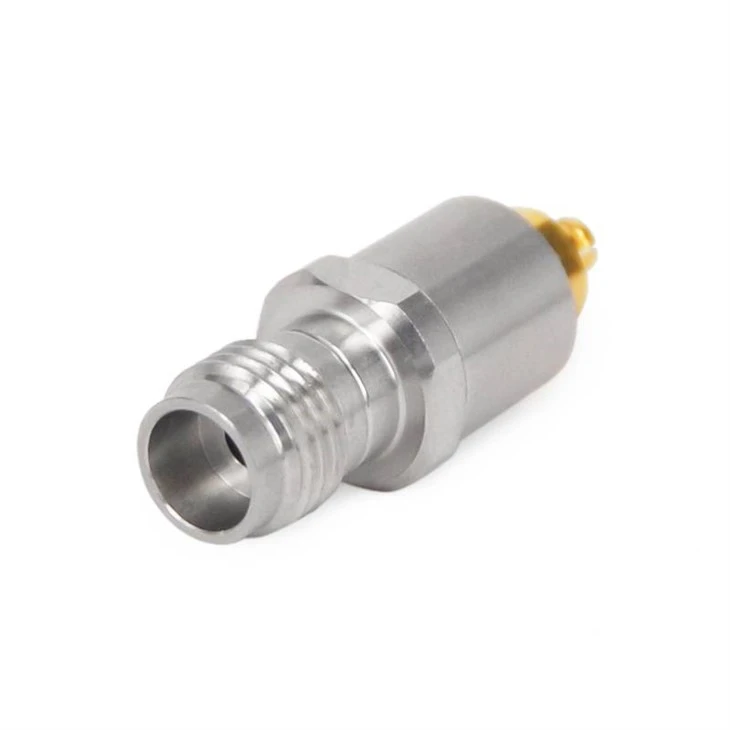
As an RF adapter supplier, I understand the importance of providing high-quality adapters that meet the specific needs of our customers. We offer a wide range of RF adapters in various sizes and connector types to ensure that our customers can find the right adapter for their applications. Whether you need a SMA Adapter for a wireless communication system, a 2.4mm Adapter for a high-frequency test equipment, or a 1.85mm Adapter for a microwave application, we have the expertise and resources to provide you with the right solution.
If you have any questions or need assistance in selecting the appropriate RF adapter for your application, please don't hesitate to contact us. Our team of experts is always ready to help you find the best solution for your needs. We look forward to working with you and providing you with the highest quality RF adapters and exceptional customer service.
References
- Pozar, D. M. (2011). Microwave Engineering. Wiley.
- Collin, R. E. (2001). Foundations for Microwave Engineering. Wiley.
- Gupta, K. C., Garg, R., & Bahl, I. J. (1996). Microstrip Lines and Slotlines. Artech House.


