
How to choose an antenna for a car?
Leave a message

When it comes to enhancing your car's communication and reception capabilities, choosing the right antenna is crucial. As an antennas supplier, I've witnessed firsthand the impact that a well - selected antenna can have on a vehicle's performance. In this blog, I'll guide you through the process of choosing an antenna for your car, covering various factors to consider and different types of antennas available.
Understanding Your Needs
The first step in choosing an antenna for your car is to understand your specific needs. Are you looking to improve your radio reception, enhance your mobile phone signal, or connect to a satellite navigation system? Each of these applications requires a different type of antenna.
If you're an avid radio listener, you'll want an antenna that can pick up a wide range of frequencies clearly. AM and FM radio signals operate on different frequency bands, and some antennas are designed to handle both. For mobile phone usage, a cellular antenna can boost your signal strength, ensuring better call quality and faster data speeds, especially in areas with weak coverage. Satellite navigation systems rely on GPS antennas to receive signals from satellites, providing accurate location information.
Frequency Range
One of the most important factors to consider when choosing a car antenna is the frequency range it supports. Different communication systems operate on different frequency bands, and your antenna needs to be compatible with the frequencies you want to use.
For example, AM radio operates in the medium frequency (MF) band, typically between 535 and 1705 kHz. FM radio, on the other hand, uses the very high frequency (VHF) band, ranging from 88 to 108 MHz. Cellular networks operate on various frequency bands, including the 800 MHz, 900 MHz, 1800 MHz, 1900 MHz, and 2100 MHz bands, depending on the region and the network provider.
GPS signals are transmitted on the L1 frequency band, which is centered at 1575.42 MHz. When selecting an antenna, make sure it is designed to operate within the frequency range of your intended application.
Antenna Types
There are several types of antennas available for cars, each with its own advantages and disadvantages. Here are some of the most common types:
Monopole Antennas
Monopole antennas are one of the simplest and most common types of car antennas. They consist of a single conductive rod or wire, usually mounted on the roof or the trunk of the car. Monopole antennas are omnidirectional, which means they can receive signals from all directions. They are relatively inexpensive and easy to install, making them a popular choice for basic radio reception.
Dipole Antennas
Dipole antennas are made up of two conductive elements, usually of equal length, that are connected to a feed point. They are more directional than monopole antennas, which means they can provide better reception in a specific direction. Dipole antennas are often used for more specialized applications, such as amateur radio or short - wave radio reception.
Log - periodic Antennas
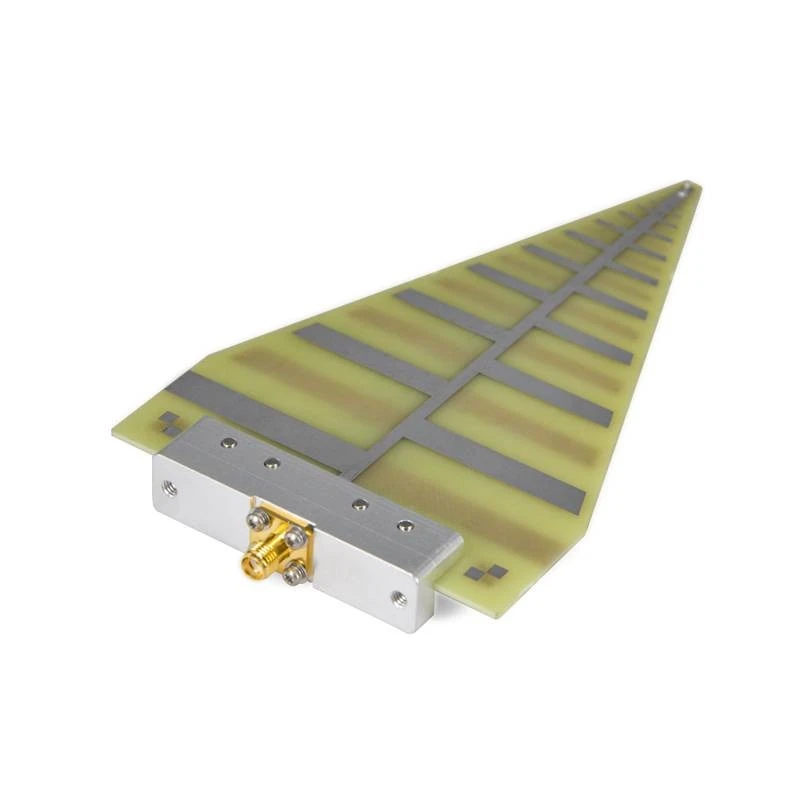
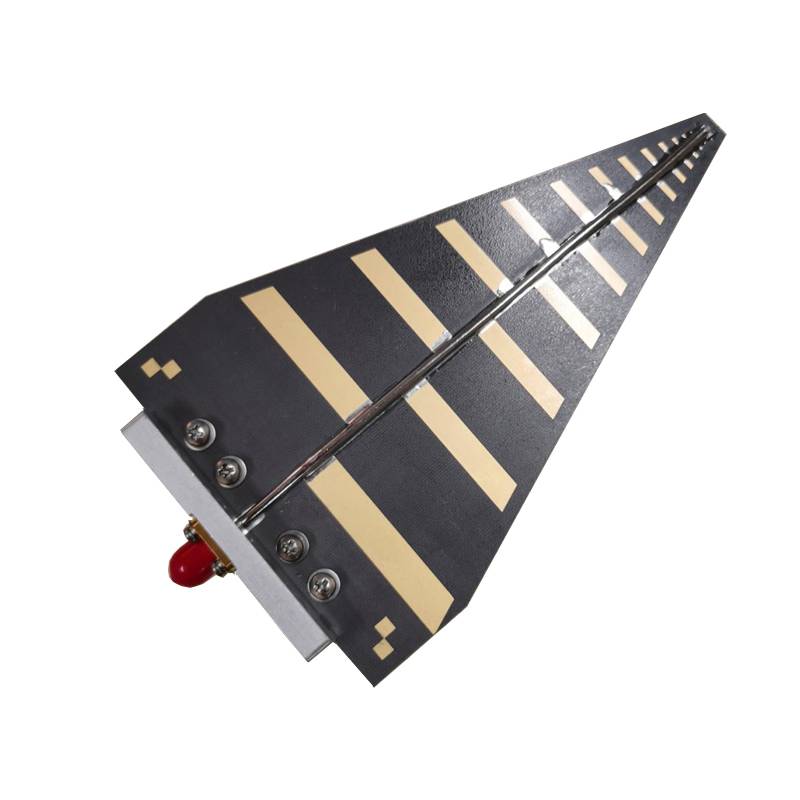
Log - periodic antennas are designed to operate over a wide range of frequencies. They have a unique structure that consists of a series of elements of different lengths, arranged in a logarithmic pattern. Log - periodic antennas are highly directional and can provide excellent reception over a broad frequency spectrum. They are commonly used in applications where a wide frequency range is required, such as in some advanced communication systems.
Horn Antennas
Horn antennas are typically used for high - frequency applications. They have a horn - shaped structure that helps to focus the radio waves in a specific direction. Horn antennas are very directional and can provide high gain, which means they can amplify the received signals. They are often used in satellite communication and radar systems.
Antenna Gain
Antenna gain is a measure of how well an antenna can amplify the received signals. It is expressed in decibels (dB). A higher gain antenna can receive weaker signals more effectively than a lower gain antenna. However, a high - gain antenna is usually more directional, which means it needs to be pointed towards the source of the signal for optimal performance.
When choosing an antenna for your car, consider the gain of the antenna in relation to your specific needs. If you are in an area with strong signals, a lower gain antenna may be sufficient. However, if you are in an area with weak signals or if you need to receive signals from a long distance, a higher gain antenna may be necessary.
Mounting Location
The mounting location of the antenna can also have a significant impact on its performance. In general, the higher the antenna is mounted, the better the reception. This is because a higher position allows the antenna to have a clearer line of sight to the signal source, reducing the interference caused by obstacles such as buildings and trees.
The roof of the car is often the best mounting location for an antenna, as it provides the highest position and the least amount of interference. However, if you prefer not to mount the antenna on the roof, you can also mount it on the trunk or the fender of the car. Just make sure that the mounting location is away from any metal objects that could interfere with the antenna's performance.
Compatibility with Your Vehicle
Before purchasing an antenna, make sure it is compatible with your vehicle. Some antennas are designed to fit specific makes and models of cars, while others are more universal. Check the specifications of the antenna to ensure that it can be easily installed on your car and that it will work properly with your vehicle's electrical system.
Weather Resistance
Since your car antenna will be exposed to the elements, it is important to choose an antenna that is weather - resistant. Look for antennas that are made of durable materials, such as stainless steel or high - quality plastic, and that are designed to withstand rain, snow, heat, and cold. A weather - resistant antenna will have a longer lifespan and will provide more reliable performance over time.
Cost
Cost is also an important factor to consider when choosing an antenna for your car. Antennas can range in price from a few dollars to several hundred dollars, depending on the type, the gain, and the brand. While it may be tempting to choose the cheapest antenna available, keep in mind that a higher - quality antenna may provide better performance and a longer lifespan, which can save you money in the long run.
Conclusion
Choosing the right antenna for your car is a decision that requires careful consideration of your specific needs, the frequency range, the antenna type, the gain, the mounting location, the compatibility with your vehicle, the weather resistance, and the cost. As an antennas supplier, I can provide you with a wide range of high - quality antennas that are designed to meet your requirements.
If you're interested in purchasing an antenna for your car or have any questions about the selection process, I encourage you to contact me. I'm here to help you make an informed decision and ensure that you get the best antenna for your vehicle. Whether you need a simple monopole antenna for basic radio reception or a high - gain log - periodic antenna for advanced communication, I have the expertise and the products to meet your needs. Let's start a conversation about your antenna requirements and find the perfect solution for you.
References
- Balanis, Constantine A. "Antenna Theory: Analysis and Design." Wiley, 2016.
- Kraus, John D., and Ronald J. Marhefka. "Antennas for All Applications." McGraw - Hill, 2002.


