

What is the efficiency of an antenna?
Leave a message

As a seasoned antennas supplier, I've encountered numerous inquiries about antenna efficiency. This critical parameter significantly impacts an antenna's performance, making it a topic of great interest to both professionals and enthusiasts in the field of wireless communication. In this blog, I'll delve into what antenna efficiency is, why it matters, and how it influences the selection of antennas for various applications.
Defining Antenna Efficiency
Antenna efficiency is a measure of how effectively an antenna converts input power into radiated power. It is expressed as a ratio of the radiated power to the input power and is typically denoted by the Greek letter eta (η). Mathematically, it can be represented as:
[ \eta = \frac{P_{rad}}{P_{in}} \times 100% ]
where ( P_{rad} ) is the power radiated by the antenna and ( P_{in} ) is the power supplied to the antenna. This ratio is often presented as a percentage, with a higher percentage indicating a more efficient antenna.
The power that is not radiated is dissipated as heat within the antenna structure due to factors such as ohmic losses in the conductors and dielectric losses in the materials used. These losses can occur in the antenna elements, feed lines, and any other components that make up the antenna system.
Factors Affecting Antenna Efficiency
Several factors can influence the efficiency of an antenna. Understanding these factors is crucial for optimizing antenna performance and selecting the right antenna for a specific application.
Conductive Losses
Conductive losses occur when the electrical current flowing through the antenna conductors encounters resistance. This resistance causes a portion of the input power to be converted into heat rather than being radiated. The conductivity of the materials used in the antenna construction plays a significant role in minimizing these losses. For example, antennas made from high - conductivity metals such as copper or silver tend to have lower conductive losses compared to those made from materials with lower conductivity.
Dielectric Losses
Dielectric losses occur in the insulating materials used in the antenna, such as the substrate in a printed circuit board antenna or the dielectric in a coaxial cable. When an alternating electric field is applied to these materials, the molecules within the dielectric material vibrate, converting some of the electrical energy into heat. The dielectric constant and loss tangent of the material are key parameters that determine the magnitude of these losses.
Matching Efficiency
Matching efficiency refers to how well the antenna impedance matches the impedance of the transmission line and the source. A poor impedance match can result in a significant amount of power being reflected back to the source instead of being radiated by the antenna. This is often quantified using the Voltage Standing Wave Ratio (VSWR). A VSWR of 1:1 indicates a perfect match, while higher values imply a less efficient match and more power reflection.
Importance of Antenna Efficiency
Antenna efficiency is of utmost importance in various wireless communication applications. Here are some key reasons why:
Range and Coverage
In wireless communication systems, a more efficient antenna can radiate more power into the desired direction, resulting in a longer communication range and better coverage. This is particularly important in applications such as cellular networks, Wi - Fi access points, and radio broadcasting, where maximizing the signal strength over a large area is essential.
Power Consumption
Efficient antennas require less input power to achieve the same level of radiated power compared to less efficient antennas. This can lead to significant power savings, especially in battery - powered devices such as smartphones, tablets, and IoT sensors. Reducing power consumption not only extends the battery life of these devices but also contributes to energy efficiency and environmental sustainability.
Signal Quality
A high - efficiency antenna can improve the signal - to - noise ratio (SNR) of the received signal. By radiating more power and minimizing losses, the antenna can transmit and receive stronger signals, which are less susceptible to interference and noise. This results in better data transmission rates, fewer errors, and overall improved signal quality.
Antenna Efficiency in Different Types of Antennas
Different types of antennas have varying levels of efficiency, depending on their design, construction, and intended application. Here are a few examples:
Log - periodic Antennas
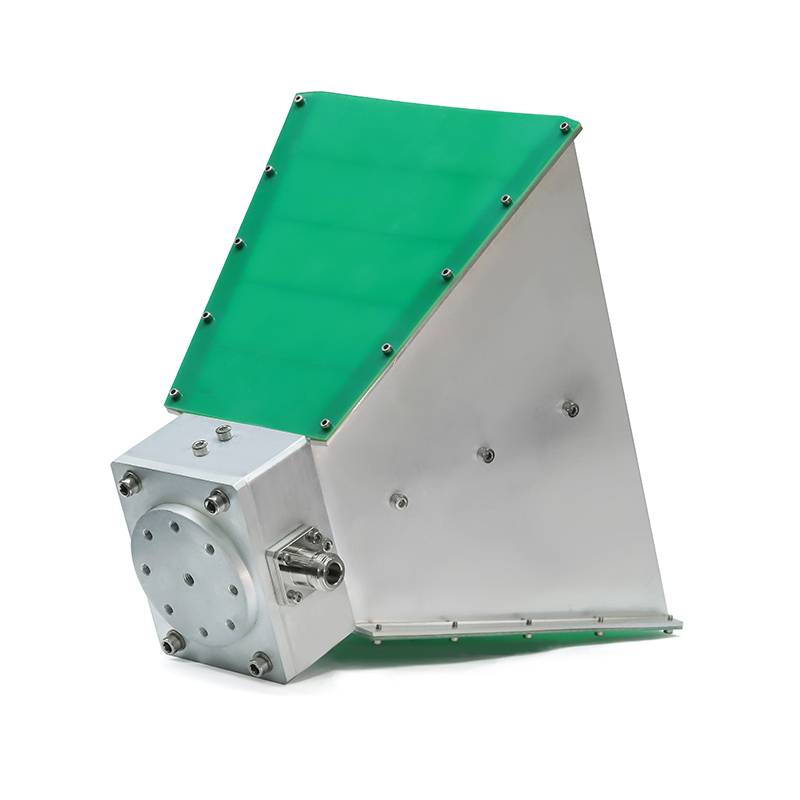
Log - periodic antennas are known for their wide bandwidth and relatively high efficiency. These antennas are designed to operate over a broad range of frequencies, making them suitable for applications such as radio and television broadcasting, radar systems, and wireless communication. To learn more about Log - periodic Antennas, you can visit our website.
Horn Antennas
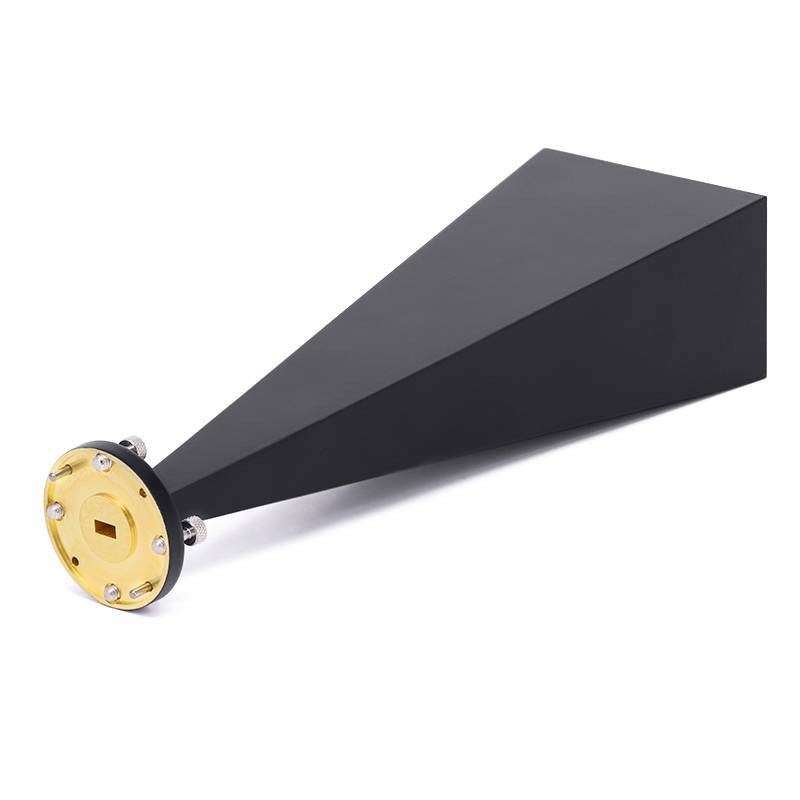
Horn antennas are commonly used in microwave and millimeter - wave applications. They offer high efficiency, low VSWR, and excellent directivity. Horn antennas are often used in radar systems, satellite communication, and radio astronomy. For more information on Horn Antennas, please visit our dedicated page.
Measuring Antenna Efficiency
Measuring antenna efficiency can be a complex task, as it requires specialized equipment and techniques. One common method is to use a network analyzer to measure the input power, reflected power, and radiated power of the antenna. Another approach is to use an anechoic chamber, which provides a controlled environment free from external reflections, allowing for accurate measurement of the antenna's radiation pattern and efficiency.
Selecting the Right Antenna Based on Efficiency
When selecting an antenna for a specific application, it's important to consider the required efficiency along with other factors such as frequency range, gain, directivity, and physical size. For applications where long - range communication is required, high - efficiency antennas with high gain and low losses are preferred. On the other hand, for applications with limited space and power constraints, a more compact and moderately efficient antenna may be a better choice.
As an antennas supplier, we understand the importance of antenna efficiency and offer a wide range of high - quality antennas to meet the diverse needs of our customers. Whether you're looking for a log - periodic antenna for broadband communication or a horn antenna for microwave applications, we have the expertise and products to provide you with the best solution.
Conclusion
Antenna efficiency is a critical parameter that significantly impacts the performance of wireless communication systems. By understanding the factors that affect efficiency, its importance in various applications, and how to measure and select the right antenna based on efficiency, you can make informed decisions when it comes to choosing the best antenna for your specific needs.
If you're interested in learning more about our antenna products or have any questions regarding antenna efficiency, we invite you to contact us for a detailed discussion. Our team of experts is ready to assist you in finding the most suitable antenna solution for your project.
References
- Balanis, Constantine A. "Antenna Theory: Analysis and Design." Wiley, 2016.
- Stutzman, Warren L., and Gary A. Thiele. "Antenna Theory and Design." Wiley, 2012.


