

How to maintain an N Adapter?
Leave a message

As a reputable N Adapter supplier, I understand the significance of proper maintenance for these essential RF components. N Adapters are widely used in various industries, including telecommunications, aerospace, and test and measurement. Ensuring their optimal performance and longevity is crucial for seamless operations and cost - effectiveness. In this blog, I will share some valuable insights on how to maintain an N Adapter.
1. Understanding the N Adapter
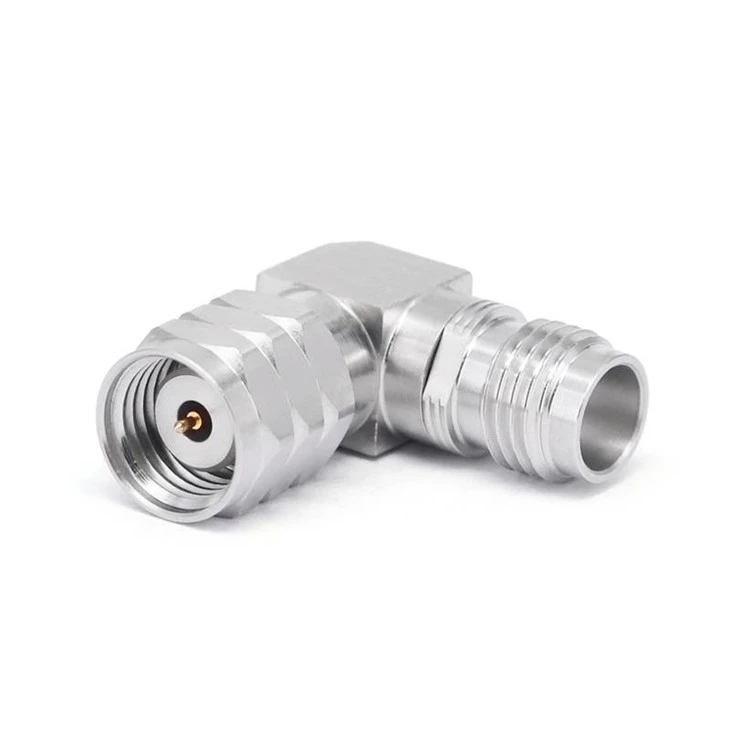
Before delving into maintenance, it's important to have a basic understanding of the N Adapter. The N Adapter is a coaxial connector known for its robust design and high - frequency performance. It can handle a wide range of frequencies, making it suitable for many applications. The connector consists of a male and female part, with a threaded coupling mechanism that provides a secure connection.
2. Storage Conditions
Proper storage is the first step in maintaining an N Adapter. When not in use, N Adapters should be stored in a clean, dry environment. Humidity can cause corrosion on the connector's metal parts, which can degrade the electrical performance. A storage cabinet or a sealed container can be used to protect the adapters from dust, moisture, and other contaminants.
It's also advisable to store the N Adapters in an organized manner. Labeling the storage containers or using a dedicated storage rack can help in quickly identifying the required adapter. This not only saves time but also reduces the risk of damage during the retrieval process.
3. Cleaning Procedures
Regular cleaning is essential to maintain the electrical and mechanical performance of N Adapters. Over time, dirt, dust, and oxidation can accumulate on the connector surfaces, leading to increased insertion loss and signal degradation.
3.1 Cleaning Tools
To clean an N Adapter, you will need a few basic tools. A soft - bristle brush, such as a toothbrush, can be used to gently remove loose dirt and debris from the connector. Isopropyl alcohol is a commonly used cleaning agent. It evaporates quickly and does not leave any residue. You will also need lint - free wipes or cotton swabs for applying the cleaning solution.
3.2 Cleaning Steps
- Disconnect the Adapter: Before cleaning, make sure the N Adapter is disconnected from any equipment to avoid electrical shock or damage to the device.
- Brush the Connector: Use the soft - bristle brush to gently brush the male and female parts of the N Adapter. Pay special attention to the threads and the center conductor. This will remove any loose dirt or debris.
- Apply Cleaning Solution: Moisten a lint - free wipe or a cotton swab with isopropyl alcohol. Gently wipe the connector surfaces, including the center conductor and the outer shell. For hard - to - reach areas, you can use a cotton swab.
- Dry the Connector: Allow the N Adapter to air - dry completely before reconnecting it. Make sure there is no residual alcohol on the connector, as it can affect the electrical performance.
4. Inspection
Regular inspection of N Adapters is crucial to detect any signs of damage or wear. This can help in preventing potential failures and ensuring the reliability of the RF system.
4.1 Visual Inspection
- Check for Physical Damage: Look for any signs of cracks, dents, or bent parts on the N Adapter. Physical damage can affect the mechanical and electrical performance of the connector.
- Inspect the Threads: The threads of the N Adapter should be clean and undamaged. If the threads are stripped or damaged, it can lead to a loose connection, which can cause signal loss.
- Examine the Center Conductor: The center conductor should be straight and free from any signs of corrosion or damage. A damaged center conductor can result in poor electrical contact and increased insertion loss.
4.2 Electrical Testing
In addition to visual inspection, electrical testing can be performed to ensure the proper functioning of the N Adapter. A network analyzer or a cable tester can be used to measure the insertion loss, return loss, and other electrical parameters. If the measured values are outside the specified range, it may indicate a problem with the adapter.

5. Handling Precautions
Proper handling of N Adapters can significantly extend their lifespan. Here are some handling precautions to keep in mind:
- Avoid Over - Tightening: When connecting an N Adapter, do not over - tighten the threaded coupling. Over - tightening can damage the threads and the connector body, leading to a poor connection and potential signal loss. Use a torque wrench if necessary to ensure the correct tightening torque.
- Use Proper Tools: When installing or removing an N Adapter, use the appropriate tools. Avoid using pliers or other sharp tools that can scratch or damage the connector.
- Protect from Impact: N Adapters are relatively fragile components. Avoid dropping or subjecting them to impact, as this can cause internal damage that may not be immediately visible.
6. Compatibility Considerations
When using N Adapters, it's important to ensure compatibility with other RF components. Using incompatible adapters can lead to poor performance and potential damage to the equipment.
- Frequency Compatibility: Make sure the N Adapter is suitable for the frequency range of your application. Different N Adapters are designed to operate at different frequency bands.
- Impedance Matching: The impedance of the N Adapter should match the impedance of the connected equipment. Mismatched impedance can cause signal reflections and loss.
7. Comparison with Other Adapters
While N Adapters are widely used, there are other types of RF adapters available in the market, such as the 2.92mm Adapter, 1.85mm Adapter, and SMA Adapter. Each type of adapter has its own advantages and disadvantages.
- 2.92mm Adapter: This adapter is suitable for high - frequency applications up to 40 GHz. It offers better performance than the N Adapter at higher frequencies but is more expensive.
- 1.85mm Adapter: The 1.85mm Adapter can operate at frequencies up to 65 GHz. It is commonly used in high - speed data communication and test and measurement applications. However, it is also more delicate and requires more careful handling compared to the N Adapter.
- SMA Adapter: SMA Adapters are smaller in size and are commonly used in portable devices and low - power applications. They are less expensive than N Adapters but have a lower frequency range.
8. Conclusion and Call to Action
Maintaining an N Adapter is a straightforward process that can significantly improve its performance and lifespan. By following the storage, cleaning, inspection, and handling procedures outlined in this blog, you can ensure that your N Adapters continue to provide reliable service.
As a supplier, we are committed to providing high - quality N Adapters and offering expert advice on their maintenance. If you are in the market for N Adapters or have any questions about their maintenance, we encourage you to contact us for a detailed discussion. Our team of experts is ready to assist you in finding the right solution for your RF needs.
References
- "Coaxial Connectors: Theory and Design" by Jerry Sevick
- "RF and Microwave Engineering Handbook" by David Pozar


