
How to test the performance of an RF switch?
Leave a message

Hey there! As a supplier of RF switches, I often get asked about how to test the performance of these nifty little devices. RF switches are crucial components in many RF and microwave systems, and their performance can significantly impact the overall functionality of the system. So, let's dive right into the nitty - gritty of RF switch performance testing.
Understanding the Basics
First things first, we need to understand what an RF switch is and what we're looking for when testing its performance. An RF switch, in simple terms, is a device that can route RF signals from one path to another. There are several types of RF switches, and you can check out more about them here: RF Switches Types.
When it comes to performance testing, we're mainly interested in a few key parameters. These include insertion loss, isolation, return loss, switching speed, and power handling capabilities. Each of these parameters tells us something different about how well the RF switch will perform in a real - world application.
Insertion Loss Testing
Insertion loss is one of the most important parameters to test. It measures the amount of signal power that is lost when the RF switch is in the “on” state. To test insertion loss, you'll need a signal generator and a power meter.
First, connect the signal generator to the input port of the RF switch and the power meter to the output port. Set the signal generator to a specific frequency and power level. Without the RF switch in the circuit, measure the power at the output using the power meter. This is your reference power.
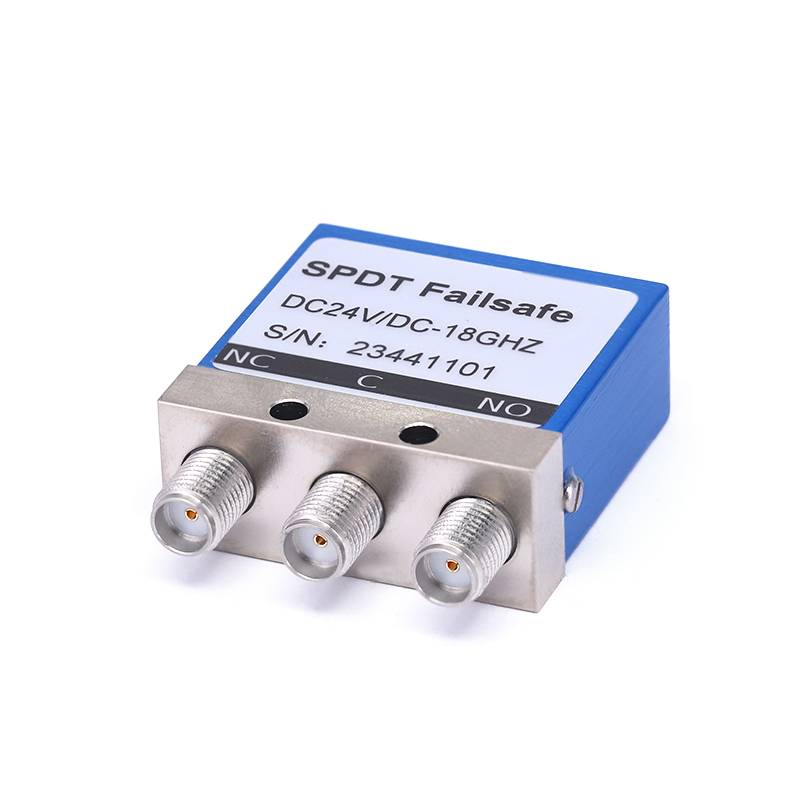

Next, turn on the RF switch and measure the power at the output again. The difference between the reference power and the power measured with the switch on is the insertion loss. Lower insertion loss values are better, as they mean less signal power is being wasted.
Isolation Testing
Isolation is another critical parameter. It measures how well the RF switch can isolate the input from the output when the switch is in the “off” state. To test isolation, we use a similar setup as for insertion loss.
Connect the signal generator to the input port of the RF switch and the power meter to the output port. With the switch in the “off” state, measure the power at the output. The higher the isolation value, the better the switch is at preventing the signal from leaking through when it's supposed to be off.
Return Loss Testing
Return loss is all about how well the RF switch impedance matches the impedance of the rest of the circuit. A poor impedance match can cause signal reflections, which can lead to performance issues.
To test return loss, you'll need a network analyzer. Connect the network analyzer to the input port of the RF switch. The network analyzer will send a signal into the switch and measure the amount of signal that is reflected back. A high return loss value indicates a good impedance match.
Switching Speed Testing
Switching speed is crucial, especially in applications where fast signal routing is required. To test the switching speed of an RF switch, you'll need a high - speed pulse generator and an oscilloscope.
Connect the pulse generator to the control port of the RF switch and the oscilloscope to the output port. Send a square - wave pulse to the control port of the switch. The oscilloscope will display the output signal. Measure the time it takes for the switch to transition from the “off” state to the “on” state and vice versa. This time is the switching speed.
Power Handling Testing
Power handling capabilities are important to ensure that the RF switch can handle the power levels it will encounter in a real - world application without getting damaged.
To test power handling, you'll need a high - power signal generator and a power meter. Start by applying a low - power signal to the RF switch. Gradually increase the power of the signal while monitoring the performance of the switch. Note the power level at which the switch starts to show signs of degradation, such as increased insertion loss or reduced isolation. This is the maximum power handling capacity of the switch.
Testing Considerations
There are a few things to keep in mind when testing RF switches. First, make sure that the test environment is free from interference. RF signals are easily affected by external electromagnetic fields, so it's best to conduct the tests in a shielded enclosure.
Second, always use high - quality test equipment. The accuracy of your test results depends on the quality of the equipment you're using.
Finally, repeat the tests multiple times to ensure the reliability of your results. RF switch performance can vary slightly from one test to another, so taking multiple measurements and averaging the results can give you a more accurate picture of the switch's performance.
Why Choose Our RF Switches
At our company, we take pride in providing high - quality RF switches. Our switches are rigorously tested using the methods I've just described. We ensure that each switch meets or exceeds the industry standards for insertion loss, isolation, return loss, switching speed, and power handling.
If you're looking for reliable RF switches for your next project, we're here to help. Whether you need a simple single - pole single - throw (SPST) switch or a more complex multi - pole multi - throw (MPMT) switch, we've got you covered.
Let's Connect
Interested in purchasing our RF switches? We'd love to have a chat with you. Whether you have questions about our products, need help with performance testing, or just want to discuss your project requirements, feel free to reach out. We're always ready to assist you in finding the perfect RF switch solution.
References
- Microwave Engineering textbooks
- Industry standards for RF switch performance testing
So, that's a wrap on how to test the performance of an RF switch. I hope this blog post has been helpful to you. If you have any more questions, don't hesitate to get in touch!


