

What are the connector types of VNA test cables?
Leave a message

In the realm of RF and microwave testing, Vector Network Analyzers (VNAs) play a pivotal role in accurately measuring the scattering parameters (S - parameters) of various devices under test (DUTs). VNA test cables are essential components in these measurement setups, acting as the vital link between the VNA and the DUT. The performance of these cables can significantly impact the accuracy of the measurements, and one of the key factors to consider is the connector type. As a VNA Test Cables supplier, I am well - versed in the different connector types available in the market, and in this blog, I will delve into the details of these connector types.
1. SMA Connectors
SMA (Sub - Miniature version A) connectors are among the most widely used connector types in RF and microwave applications. They were developed in the 1960s and have since become a standard due to their compact size, excellent electrical performance up to 18 GHz, and relatively low cost.
Physical Characteristics
SMA connectors are threaded, which provides a secure connection. They come in two genders: male and female. The male connector has a center pin, while the female connector has a center socket. The outer conductor of the connector is a threaded barrel.
Electrical Performance
SMA connectors offer good impedance matching, typically 50 ohms, which is crucial for minimizing signal reflections. They can handle moderate power levels and are suitable for a wide range of applications, including wireless communication systems, test and measurement equipment, and aerospace and defense.
Applications in VNA Testing
In VNA testing, SMA connectors are often used for testing components with frequencies up to 18 GHz. They are commonly found on small - sized DUTs such as RF modules, antennas, and some types of filters. For example, when testing a Wi - Fi module operating in the 2.4 GHz or 5 GHz band, SMA connectors can be used to connect the VNA to the module for accurate S - parameter measurements.
2. 3.5 mm Connectors
The 3.5 mm connector was developed as an improvement over the SMA connector, offering better performance at higher frequencies.
Physical Characteristics
Similar to the SMA connector, the 3.5 mm connector is also threaded. It has a smaller outer diameter compared to some other connectors, making it suitable for applications where space is limited. The center conductor design is optimized for better electrical performance.
Electrical Performance
One of the main advantages of the 3.5 mm connector is its ability to operate up to 34 GHz with low insertion loss and excellent return loss. This makes it ideal for high - frequency applications where signal integrity is of utmost importance.
Applications in VNA Testing
In VNA testing, 3.5 mm connectors are commonly used for testing high - frequency components such as millimeter - wave devices, high - speed data communication modules, and some advanced RF filters. For instance, when testing a 5G millimeter - wave antenna operating at 28 GHz or 39 GHz, 3.5 mm connectors can ensure accurate measurement of the antenna's radiation pattern and S - parameters.
3. 2.92 mm (K) Connectors
The 2.92 mm connector, also known as the K connector, was developed to meet the increasing demand for high - frequency testing.
Physical Characteristics
The 2.92 mm connector is threaded and has a more precise mechanical design compared to some other connectors. It has a smaller size than the 3.5 mm connector, which allows for more compact test setups.
Electrical Performance
This connector can operate up to 46 GHz with very low insertion loss and excellent return loss. It provides a high - level of signal integrity, making it suitable for high - performance RF and microwave applications.
Applications in VNA Testing
In VNA testing, 2.92 mm connectors are used for testing components in the millimeter - wave range, such as radar systems, satellite communication equipment, and high - speed data links. For example, when testing a radar transceiver operating at 77 GHz for automotive applications, 2.92 mm connectors can be used to connect the VNA to the transceiver for accurate S - parameter and phase measurements.
4. 2.4 mm Connectors
The 2.4 mm connector was developed to address the need for even higher - frequency testing capabilities.
Physical Characteristics
The 2.4 mm connector is threaded and has a very small form factor. Its precise mechanical design ensures a reliable connection, even at extremely high frequencies.
Electrical Performance
It can operate up to 50 GHz or even higher, depending on the specific design. The 2.4 mm connector offers excellent electrical performance with low insertion loss and return loss, making it suitable for the most demanding high - frequency applications.
Applications in VNA Testing
In VNA testing, 2.4 mm connectors are used for testing ultra - high - frequency components such as next - generation wireless communication devices operating in the millimeter - wave bands above 50 GHz, and some advanced research - level RF and microwave systems.
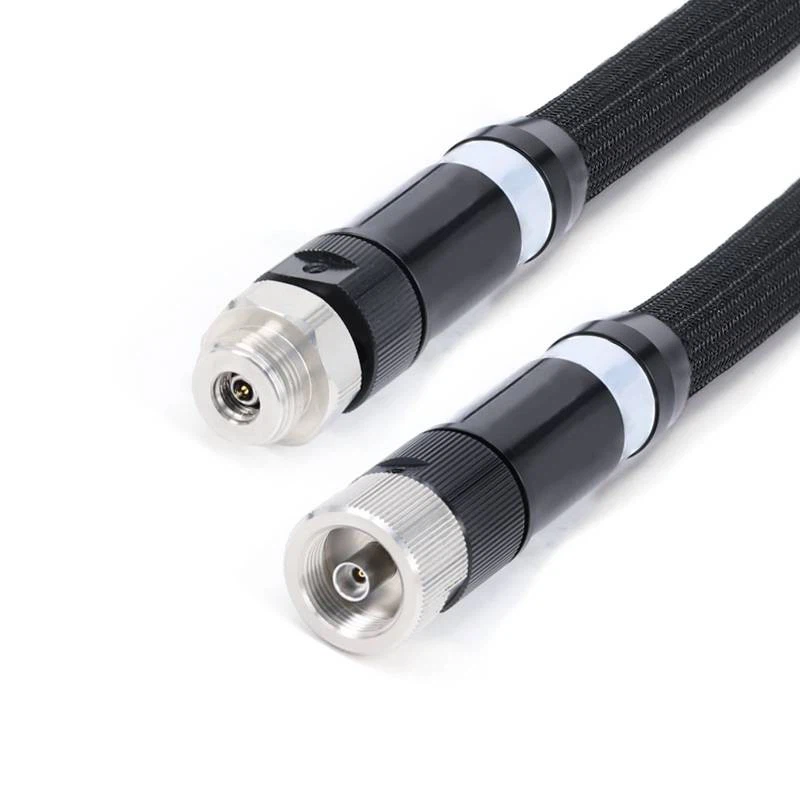
5. Type N Connectors
Type N connectors are larger in size compared to the connectors mentioned above, but they offer high - power handling capabilities and good performance up to 18 GHz.
Physical Characteristics
Type N connectors are threaded and come in both male and female versions. They have a relatively large outer conductor, which contributes to their ability to handle high power.
Electrical Performance
These connectors are available in 50 - ohm and 75 - ohm impedance versions. The 50 - ohm version is commonly used in RF and microwave applications, while the 75 - ohm version is often used in video and cable television applications. Type N connectors offer good impedance matching and low signal reflections.
Applications in VNA Testing
In VNA testing, Type N connectors are used for testing high - power RF components such as power amplifiers, transmitters, and some large - sized antennas. For example, when testing a high - power RF amplifier used in a base station, Type N connectors can be used to connect the VNA to the amplifier for accurate power and S - parameter measurements.
Choosing the Right Connector Type for VNA Testing
When selecting the connector type for VNA testing, several factors need to be considered:
Frequency Range
The operating frequency of the DUT is the most critical factor. As mentioned above, different connector types have different frequency limits. For low - frequency applications (up to 18 GHz), SMA or Type N connectors may be sufficient. For high - frequency applications (above 18 GHz), connectors such as 3.5 mm, 2.92 mm, or 2.4 mm should be considered.
Power Handling
If the DUT requires high - power handling, connectors like Type N are more suitable. On the other hand, for low - power applications, smaller connectors such as SMA, 3.5 mm, etc., can be used.
Size and Space Constraints
In some cases, the available space in the test setup may be limited. In such situations, smaller connectors like SMA, 3.5 mm, 2.92 mm, or 2.4 mm are preferred.
Compatibility
The connector type on the DUT and the VNA should be compatible. It is also important to ensure that the cables used are properly terminated with the correct connector type to avoid signal degradation.
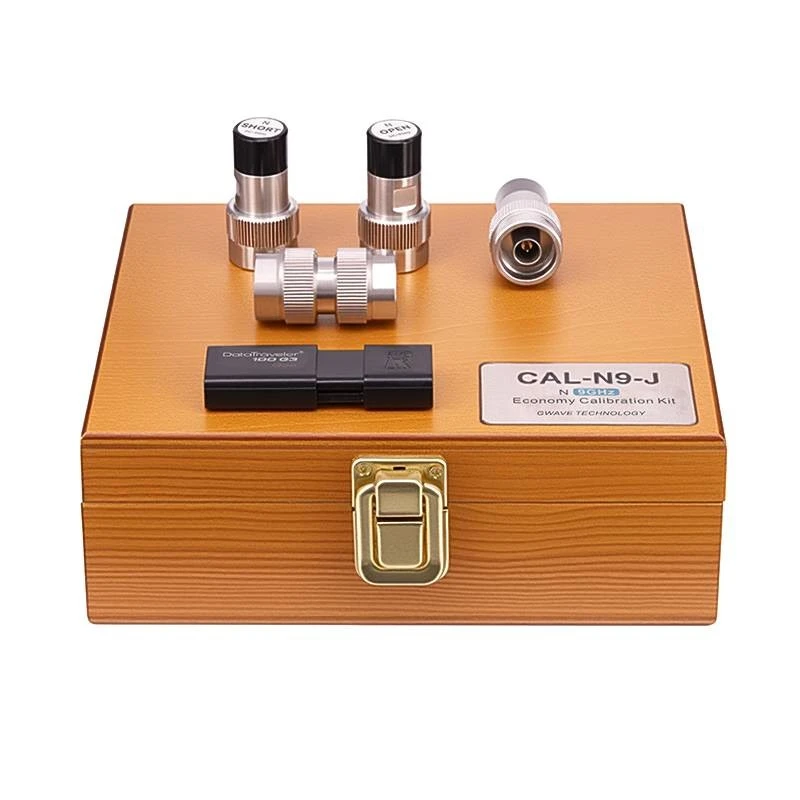
As a VNA Test Cables supplier, we offer a wide range of VNA test cables with different connector types to meet the diverse needs of our customers. Our cables are designed and manufactured to the highest quality standards, ensuring accurate and reliable measurements. We also provide Calibration Kits to help our customers achieve the best possible measurement accuracy. You can explore our full range of VNA Test Cables on our website.
If you are in need of high - quality VNA test cables or have any questions regarding connector types and cable selection, please do not hesitate to contact us for procurement and further discussions. We are committed to providing you with the best solutions for your RF and microwave testing needs.
References
- "RF and Microwave Engineering Handbook" by David M. Pozar
- "Connectors for High - Frequency Applications" - Technical literature from leading connector manufacturers
- "Vector Network Analysis" - Application notes from VNA manufacturers


