

What are the considerations for using an RF adapter in low - frequency circuits?
Leave a message

Hey there! As an RF adapter supplier, I've seen firsthand how crucial it is to make the right choices when using RF adapters in low - frequency circuits. In this blog, I'll share some key considerations that you should keep in mind.
1. Frequency Compatibility
The first thing you gotta think about is frequency compatibility. Low - frequency circuits typically operate in the range of a few kilohertz (kHz) up to a few megahertz (MHz). RF adapters are designed to work within specific frequency bands. You need to make sure that the adapter you choose can handle the frequencies of your low - frequency circuit.
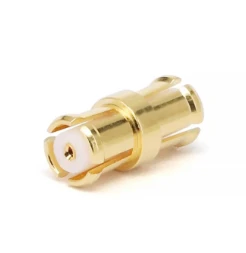
For example, if your circuit operates at 1 MHz, you don't want an adapter that's only rated for high - frequency applications above 10 GHz. Using an incompatible adapter can lead to signal loss, distortion, and overall poor performance. Some of our adapters, like the GPO SMP Adapter, are designed to cover a wide range of frequencies, which makes them a great choice for various low - frequency applications.
2. Impedance Matching
Impedance matching is another super important factor. In a low - frequency circuit, the impedance of the source, load, and the adapter should all be the same. Usually, the standard impedance for RF circuits is 50 ohms or 75 ohms. If there's a mismatch in impedance, a significant amount of the signal will be reflected back, causing a loss of power and potentially introducing noise into the circuit.
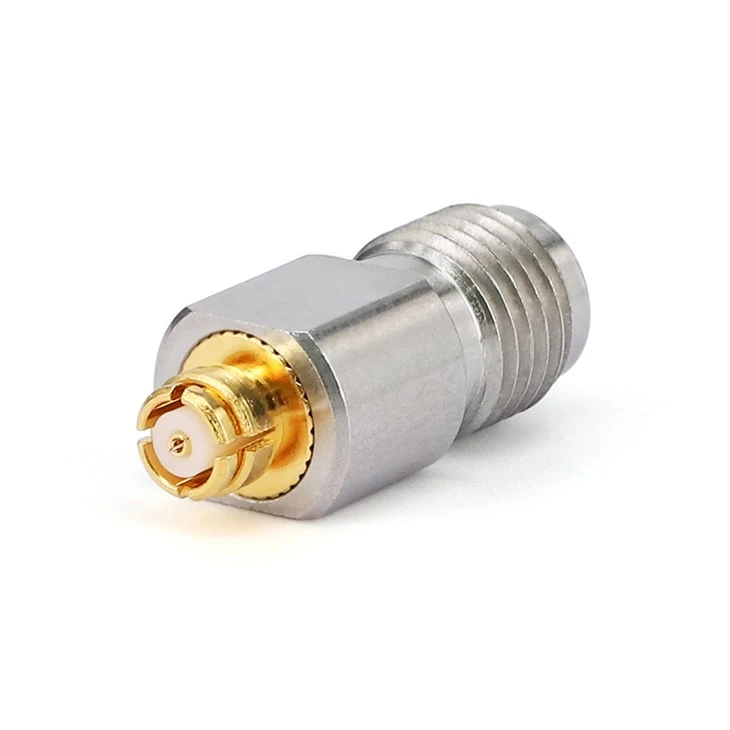
Let's say your low - frequency circuit has a 50 - ohm impedance. You need to select an RF adapter with a 50 - ohm impedance as well. Our 2.92mm Adapter comes in different impedance options, allowing you to match it precisely with your circuit's requirements.
3. Insertion Loss
Insertion loss is the amount of signal power that's lost when the adapter is inserted into the circuit. In low - frequency circuits, even a small amount of insertion loss can have a big impact on the performance of the overall system. You want an adapter with low insertion loss to ensure that as much of the signal as possible is transmitted through the adapter.
High - quality materials and precise manufacturing processes can help reduce insertion loss. Our company uses advanced techniques to minimize insertion loss in our RF adapters. When you're choosing an adapter for your low - frequency circuit, look at the insertion loss specifications provided in the datasheet. For example, our SMA Adapter is known for its low insertion loss, making it a reliable choice for low - frequency applications.
4. VSWR (Voltage Standing Wave Ratio)
VSWR is a measure of how well the adapter is matched to the circuit. A low VSWR indicates a good match, while a high VSWR means there's a significant mismatch. In low - frequency circuits, a high VSWR can cause signal reflections, which can lead to power loss and interference.
You should aim for an adapter with a low VSWR, preferably close to 1:1. Our RF adapters are carefully tested to ensure low VSWR values, providing a stable and efficient connection in your low - frequency circuits.
5. Durability and Environmental Factors
Low - frequency circuits can be used in a variety of environments, from indoor laboratories to harsh industrial settings. You need to consider the durability of the RF adapter and how it will perform under different environmental conditions.
Look for adapters that are made of high - quality materials that can withstand temperature variations, humidity, and mechanical stress. For example, some of our adapters have a ruggedized design that can handle vibrations and shocks, making them suitable for industrial applications.
6. Connector Type
The connector type of the RF adapter is also a key consideration. Different low - frequency circuits may require different connector types. Some common connector types include SMA, BNC, and TNC. You need to choose an adapter with the right connector type to ensure a proper fit and connection in your circuit.
For instance, if your low - frequency circuit uses SMA connectors, you'll want to select an SMA adapter. Our product range includes a wide variety of connector types, so you can easily find the one that meets your specific needs.
7. Cost - Effectiveness
Last but not least, you gotta think about cost - effectiveness. While you want a high - quality RF adapter for your low - frequency circuit, you also don't want to break the bank. Compare the prices of different adapters while considering their performance, features, and durability.
Our company offers a range of RF adapters at competitive prices. We believe that you shouldn't have to sacrifice quality for cost. You can get a reliable and high - performing adapter without spending a fortune.
In conclusion, using an RF adapter in a low - frequency circuit requires careful consideration of several factors, including frequency compatibility, impedance matching, insertion loss, VSWR, durability, connector type, and cost - effectiveness. By keeping these considerations in mind, you can choose the right RF adapter that will ensure the optimal performance of your low - frequency circuit.
If you're interested in purchasing RF adapters for your low - frequency circuits, don't hesitate to contact us for more information and to start a procurement discussion. We're here to help you find the perfect solution for your needs.
References:
- RF Circuit Design Principles, by some well - known RF engineering experts.
- RF Adapter Datasheets from our company's product catalog.


