
What are the disadvantages of low - quality VNA test cables?
Leave a message

Hey there! I'm a supplier of VNA Test Cables, and I've seen firsthand the impact that low - quality cables can have on testing and measurement setups. In this blog, I'll be diving into the disadvantages of using low - quality VNA test cables. So, let's get started!
1. Poor Signal Integrity
One of the most significant drawbacks of low - quality VNA test cables is poor signal integrity. Signal integrity refers to the ability of a cable to transmit a signal without significant distortion, attenuation, or interference. Low - quality cables often have inconsistent impedance, which can lead to reflections and signal loss.
When a signal travels through a cable with inconsistent impedance, some of the signal energy is reflected back towards the source. These reflections can cause interference with the original signal, resulting in a distorted waveform. This distortion can make it difficult to accurately measure the characteristics of the device under test (DUT). For example, if you're trying to measure the frequency response of a filter, the reflections in a low - quality cable can make the filter appear to have a different frequency response than it actually does.
Attenuation is another issue related to signal integrity. Low - quality cables typically have higher attenuation rates, which means that the signal strength decreases more rapidly as it travels through the cable. This can be a major problem, especially when testing high - frequency signals or signals with low power levels. If the signal is too weak by the time it reaches the VNA, the measurement results may be inaccurate or unreliable.
2. Limited Frequency Range
Low - quality VNA test cables often have a limited frequency range. The frequency range of a cable refers to the range of frequencies over which the cable can effectively transmit a signal. High - quality cables are designed to operate over a wide frequency range, from a few megahertz to several gigahertz or even higher.
On the other hand, low - quality cables may only be suitable for use at lower frequencies. As the frequency increases, the performance of these cables degrades rapidly. This can be a significant limitation, especially in modern testing applications where high - frequency signals are becoming more and more common. For instance, in the field of 5G wireless technology, signals operate at frequencies up to 6 GHz and even higher in some cases. If you're using a low - quality cable with a limited frequency range, you won't be able to accurately measure these high - frequency signals.
3. Lack of Durability
Durability is an important factor to consider when choosing VNA test cables. Low - quality cables are often made with inferior materials and construction techniques, which makes them less durable than high - quality cables.
These cables are more prone to damage from physical stress, such as bending, twisting, and pulling. Over time, repeated bending and flexing can cause the internal conductors and insulation to break down, leading to signal loss and other performance issues. In addition, low - quality cables may not be able to withstand harsh environmental conditions, such as extreme temperatures, humidity, and vibration.
For example, if you're using a low - quality cable in a manufacturing environment where it's constantly being moved around and exposed to various stresses, it's likely to fail sooner than a high - quality cable. This can result in downtime and increased costs for cable replacement.
4. Inconsistent Performance
Another disadvantage of low - quality VNA test cables is inconsistent performance. High - quality cables are manufactured to strict quality control standards, which ensures that each cable has consistent electrical and mechanical properties.
In contrast, low - quality cables may have variations in their performance from one cable to another. These variations can make it difficult to obtain repeatable measurement results. For example, if you're conducting multiple tests on the same DUT using different low - quality cables, you may get different measurement results each time due to the inconsistent performance of the cables.
This lack of consistency can be a major problem in research and development, where accurate and repeatable measurements are crucial for validating designs and making informed decisions. It can also be a headache in production testing, where consistent measurement results are necessary to ensure the quality of the products being manufactured.
5. Higher Cost in the Long Run
Although low - quality VNA test cables may have a lower upfront cost, they can end up costing you more in the long run. As mentioned earlier, these cables are less durable and more prone to failure, which means you'll have to replace them more frequently.
In addition, the inaccurate and inconsistent measurement results obtained with low - quality cables can lead to wasted time and resources. For example, if you're relying on inaccurate measurement data to make design decisions, you may end up making costly mistakes. You may also have to repeat tests multiple times to obtain reliable results, which can increase your testing time and costs.
On the other hand, high - quality cables may have a higher initial cost, but they offer better performance, durability, and consistency. They can save you money in the long run by reducing the need for cable replacement and minimizing the risk of measurement errors.
6. Compatibility Issues
Low - quality VNA test cables may also have compatibility issues with your VNA and other test equipment. High - quality cables are designed to be compatible with a wide range of VNAs and other measurement instruments, ensuring seamless integration and accurate measurements.
However, low - quality cables may not have the correct connectors or impedance matching, which can lead to signal reflections and other performance issues. For example, if the connector on a low - quality cable doesn't fit properly into the VNA port, it can cause a poor electrical connection, resulting in signal loss and inaccurate measurements.
Moreover, some low - quality cables may not be compatible with the software and firmware of your VNA, which can limit the functionality and performance of your testing setup.
Conclusion
In conclusion, the disadvantages of low - quality VNA test cables are numerous. From poor signal integrity and limited frequency range to lack of durability, inconsistent performance, higher long - term costs, and compatibility issues, these cables can have a significant negative impact on your testing and measurement results.

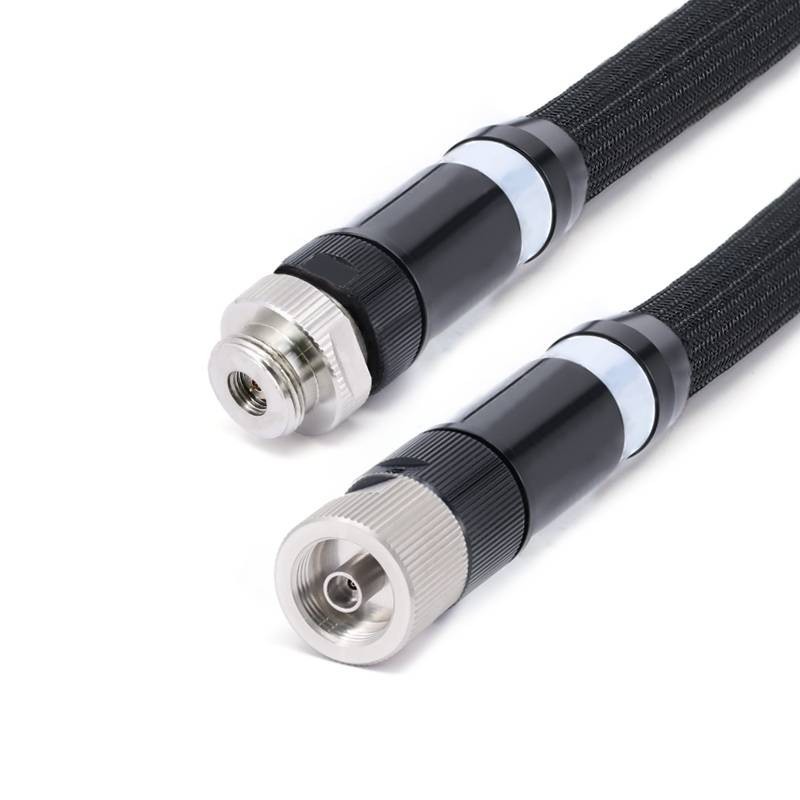
As a supplier of VNA Test Cables, I strongly recommend investing in high - quality cables to ensure accurate, reliable, and repeatable measurements. If you're in the market for VNA test cables and want to avoid the pitfalls of low - quality options, feel free to reach out for a chat about your specific needs. We can help you find the right cables for your testing setup and ensure that you get the best performance and value for your money.
References
- "RF and Microwave Testing Handbook"
- Industry whitepapers on VNA test cable performance


