
What are the electrical properties of PCB connectors?
Leave a message

As a supplier of PCB connectors, I've had my fair share of customers asking about the electrical properties of these nifty little components. It's not just about making a physical connection; the electrical performance of PCB connectors can make or break your project. So, let's dive right in and explore what makes these connectors tick from an electrical standpoint.
Impedance
One of the most crucial electrical properties of PCB connectors is impedance. Impedance is like the electrical resistance in an AC circuit, but it also takes into account reactance (capacitive and inductive effects). In simple terms, it's the opposition that a circuit presents to the flow of alternating current. For PCB connectors, maintaining a consistent impedance is super important.
Why? Well, when you're dealing with high - speed signals, any impedance mismatch can cause signal reflections. These reflections can lead to signal degradation, which means your data might not be transmitted accurately. Imagine trying to send a text message, but half of the words get jumbled up along the way. That's what impedance mismatch can do to your signals.
Most PCB connectors are designed to have a specific impedance, commonly 50 or 75 ohms. The choice depends on the application. For example, Coax Connectors often use 50 - ohm impedance for RF applications because it provides a good balance between power handling and signal loss. When you're selecting a PCB connector, make sure it matches the impedance of the rest of your circuit to avoid those pesky signal reflections.
Insertion Loss
Insertion loss is another key electrical property. It's a measure of how much signal power is lost when a signal passes through the connector. You can think of it as a kind of "tax" that the connector takes from your signal. Insertion loss is usually expressed in decibels (dB), and a lower value is better.
There are several factors that can contribute to insertion loss in PCB connectors. One of them is the resistance of the connector's contacts. If the contacts have high resistance, more power will be dissipated as heat, resulting in higher insertion loss. The design of the connector, including the shape and material, also plays a role. For instance, connectors with better - optimized geometries can reduce the loss of signal power.
In high - frequency applications, insertion loss becomes even more critical. As the frequency of the signal increases, the loss tends to go up. So, if you're working on a project that involves high - speed data transfer or RF signals, you'll want to choose a PCB connector with low insertion loss. You can find this information in the connector's datasheet, which will give you a clear idea of how well the connector performs in terms of signal power preservation.
Capacitance and Inductance
Capacitance and inductance are two electrical properties that are closely related to the behavior of PCB connectors, especially in high - frequency circuits. Capacitance is the ability of a component to store electrical energy in an electric field, while inductance is the ability to store energy in a magnetic field.
In PCB connectors, capacitance can cause problems like signal distortion and crosstalk. Crosstalk is when a signal from one circuit interferes with a signal in an adjacent circuit. High capacitance between the connector's pins can lead to unwanted coupling of signals, which can degrade the performance of your system.
Inductance, on the other hand, can affect the rise and fall times of signals. A high inductance in the connector can slow down the signal transition, which is not ideal for high - speed applications. Designers try to minimize both capacitance and inductance in PCB connectors by using appropriate materials and geometries. For example, using Glass Beads as insulators can help reduce capacitance because glass has a relatively low dielectric constant.
Voltage Rating
The voltage rating of a PCB connector is the maximum voltage that the connector can safely handle without breaking down. It's an important consideration, especially in applications where high voltages are involved. If you exceed the voltage rating, you risk damaging the connector and potentially causing a short circuit or other safety hazards.
The voltage rating is determined by several factors, including the material of the connector's insulation and the spacing between the contacts. Connectors with better insulation materials and larger contact spacings can typically handle higher voltages. When selecting a PCB connector, make sure to choose one with a voltage rating that is higher than the maximum voltage in your circuit to ensure safe and reliable operation.
Current Rating
Similar to the voltage rating, the current rating of a PCB connector is the maximum current that the connector can carry continuously without overheating. When current flows through a connector, it generates heat due to the resistance of the contacts. If the current exceeds the connector's rating, the temperature of the connector can rise to a level where it can damage the connector or affect its performance.
The current rating depends on factors such as the size and material of the contacts. Larger contacts can generally carry more current because they have lower resistance. In addition, the design of the connector, including how well it dissipates heat, also affects the current rating. If you're working on a high - power application, you'll need to choose a PCB connector with a high current rating.
Shielding
In many applications, especially those involving RF signals or high - speed data transfer, shielding is an important electrical property of PCB connectors. Shielding helps to protect the signals inside the connector from external electromagnetic interference (EMI) and also prevents the signals from radiating out and causing interference to other components.
Shielded PCB connectors typically have a metal enclosure or a shield layer that surrounds the contacts. This shield is connected to the ground, creating a barrier that blocks EMI. When selecting a connector for an application where EMI is a concern, look for a connector with good shielding effectiveness. The shielding effectiveness is usually expressed in decibels and indicates how well the shield reduces the EMI.
Conclusion
So, there you have it - the main electrical properties of PCB connectors. From impedance and insertion loss to capacitance, inductance, voltage and current ratings, and shielding, each property plays a crucial role in the performance of your circuit. As a supplier of PCB Connectors, I understand how important it is to choose the right connector for your specific application.

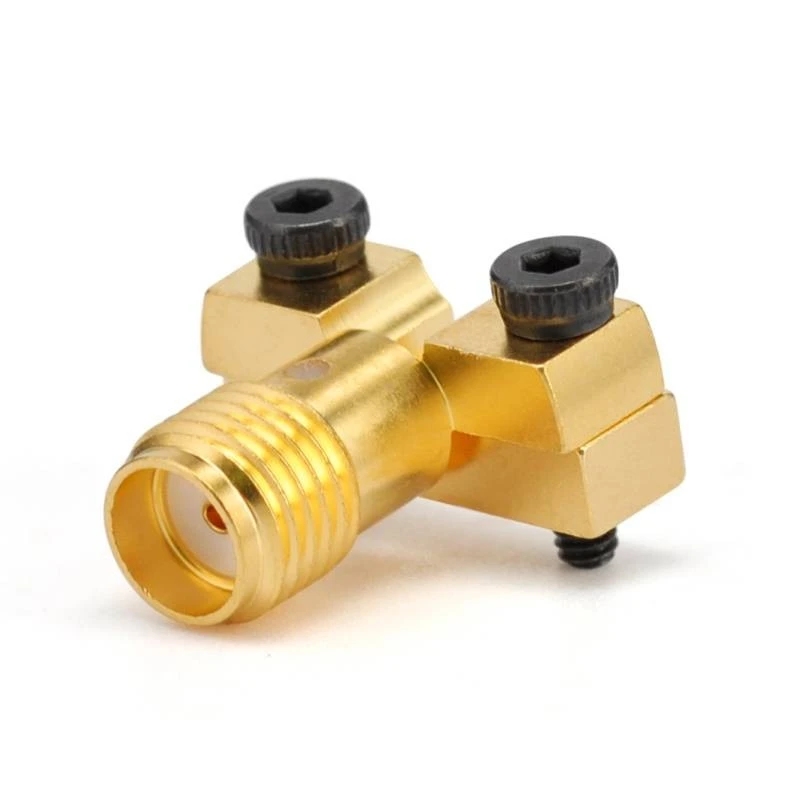
If you're in the market for PCB connectors and need help selecting the best ones for your project, don't hesitate to reach out. Our team of experts is here to assist you in finding the connectors that meet your electrical requirements and ensure the success of your project. Whether you're working on a high - speed data transfer system, an RF application, or any other project that requires reliable electrical connections, we've got you covered.
References
- Electronic Components: A Practical Approach, by Peter Wilson
- RF and Microwave Circuit Design for Wireless Applications, by Thomas Lee


