

What are the environmental requirements for using an N Adapter?
Leave a message

As a supplier of N Adapters, I understand the importance of ensuring that our products are used in the right environmental conditions. This not only guarantees the optimal performance of the N Adapters but also extends their service life. In this blog, I will delve into the environmental requirements for using an N Adapter.
Temperature
Temperature is one of the most critical environmental factors that can significantly impact the performance of an N Adapter. Most N Adapters are designed to operate within a specific temperature range. Generally, the standard operating temperature range for N Adapters is from -40°C to +85°C.
In extremely cold temperatures, the materials used in the N Adapter may become brittle. For example, the dielectric materials inside the adapter can contract, which might lead to cracks or gaps. These physical changes can cause signal leakage and impedance mismatches, resulting in degraded electrical performance. On the other hand, in high - temperature environments, the components of the N Adapter can expand. The expansion of the metal parts can affect the tightness of the connections, and the dielectric materials may experience changes in their electrical properties, such as increased loss.
It's crucial for users to ensure that the ambient temperature where the N Adapter is used falls within the specified range. If the application requires the N Adapter to operate outside this standard range, special - purpose N Adapters can be considered. These adapters are engineered with materials that can withstand more extreme temperatures. For instance, some high - temperature N Adapters use advanced polymers and heat - resistant metals to maintain their performance even in harsh thermal environments.
Humidity
Humidity is another environmental factor that needs careful consideration. High humidity can introduce moisture into the N Adapter. Moisture can cause corrosion of the metal parts, especially the connectors. Corrosion can increase the contact resistance between the connector pins and the mating components, leading to signal attenuation and poor electrical conductivity.
In addition, moisture can also affect the dielectric properties of the materials inside the N Adapter. The presence of water molecules can change the permittivity of the dielectric, which in turn can disrupt the signal propagation and cause reflections.
To prevent the negative impacts of humidity, it is recommended to use N Adapters in environments with a relative humidity of less than 95%. In high - humidity areas, proper enclosures or protective coatings can be used to shield the N Adapter from moisture. For example, waterproof enclosures can be installed to keep the adapter dry, and anti - corrosion coatings can be applied to the metal surfaces to slow down the corrosion process.
Dust and Particles
Dust and other small particles in the environment can pose a threat to the proper functioning of N Adapters. Dust can accumulate on the connectors and inside the adapter, creating a layer of insulation that can interfere with the electrical contact. This can result in intermittent signal loss or unstable performance.
In industrial environments where there is a high concentration of dust, such as manufacturing plants or mines, it is essential to take measures to protect the N Adapters. Dust - proof covers can be used to prevent dust from entering the adapter. Regular cleaning of the connectors is also necessary to remove any accumulated dust. For example, using compressed air to blow away the dust from the connector surfaces can be an effective cleaning method.
Vibration and Shock
Vibration and shock can cause mechanical stress on the N Adapter. Excessive vibration can loosen the internal components of the adapter, such as the soldered joints or the dielectric supports. This can lead to intermittent electrical connections and signal disruptions.
Shock, on the other hand, can cause more severe damage. A sudden impact can break the physical structure of the N Adapter, such as cracking the housing or bending the connector pins.
In applications where vibration and shock are common, such as in automotive or aerospace systems, N Adapters with enhanced mechanical stability should be selected. These adapters are designed with robust construction and shock - absorbing features. For example, some N Adapters use flexible mounting brackets or vibration - dampening materials to reduce the impact of vibration and shock.
Electromagnetic Interference (EMI)
Electromagnetic interference is a significant concern in modern electronic systems. EMI can be generated by various sources, such as power lines, radio transmitters, and other electronic devices. When an N Adapter is exposed to strong EMI, it can pick up unwanted electromagnetic signals, which can interfere with the normal operation of the adapter.
To minimize the impact of EMI, N Adapters can be shielded. Shielding is a technique that uses conductive materials to surround the adapter and block the external electromagnetic fields. Most N Adapters come with a metal shield that provides a certain level of protection against EMI. However, in high - interference environments, additional shielding measures may be required. For example, using shielded cables in conjunction with the N Adapter can further reduce the EMI.
Compatibility with Other Adapters
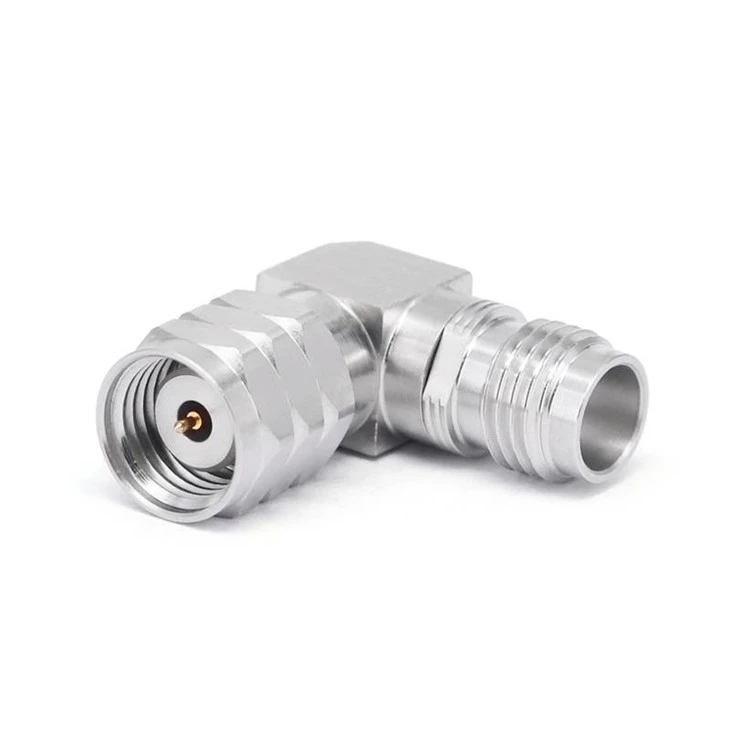
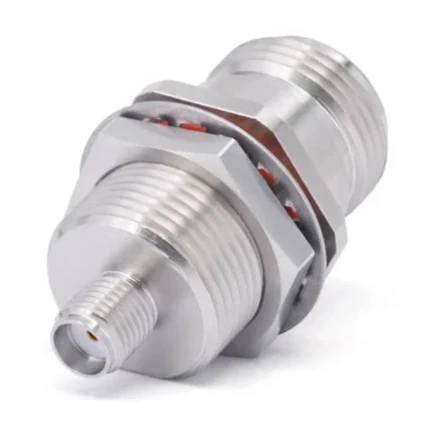
In many cases, N Adapters are used in combination with other types of adapters, such as 1.85mm Adapter and 2.92mm Adapter. When using multiple adapters together, it is important to ensure that they are compatible in terms of their electrical and mechanical properties.
The impedance of the different adapters should match to avoid signal reflections. The connector types should also be compatible to ensure a proper physical connection. For example, if an N Adapter is used to connect to a 1.85mm adapter, a proper transition adapter may be needed to ensure a smooth and reliable connection.
Conclusion
In conclusion, using an N Adapter requires careful consideration of various environmental factors. Temperature, humidity, dust, vibration, shock, and electromagnetic interference can all have a significant impact on the performance and lifespan of the N Adapter. By understanding these environmental requirements and taking appropriate measures, users can ensure that the N Adapter operates at its best.
If you are in need of high - quality N Adapters or have any questions about their environmental requirements, please feel free to contact us for more information and to discuss your procurement needs. Our team of experts is ready to assist you in finding the most suitable N Adapter solutions for your specific applications. You can visit our website N Adapter to learn more about our product range.
References
- "RF Connector Handbook" by Pasternack Enterprises
- "Environmental Effects on Electronic Components" by John Wiley & Sons


