

What is the weight of an N Adapter?
Leave a message

As a supplier of N Adapters, one question that often comes up in technical discussions and customer inquiries is, "What is the weight of an N Adapter?" This seemingly simple question has a complex answer that involves various factors such as materials, design, and intended use. In this blog post, we'll delve into the details of what affects the weight of an N Adapter and why it matters in different applications.
Understanding the N Adapter
Before we can discuss the weight, it's important to understand what an N Adapter is. The N Adapter is a type of RF (Radio Frequency) adapter used to connect different types of RF connectors. It is widely used in telecommunications, aerospace, and other industries where reliable RF connections are crucial. N Adapters come in various configurations, including straight, right-angle, and bulkhead designs, each with its own unique characteristics.
Factors Affecting the Weight of an N Adapter
Material Composition
The material used to manufacture an N Adapter is one of the primary factors influencing its weight. Common materials include brass, stainless steel, and aluminum. Brass is a popular choice due to its excellent electrical conductivity and corrosion resistance. However, it is relatively heavy compared to aluminum. Stainless steel, on the other hand, offers high strength and durability but is even heavier than brass. Aluminum is the lightest of the three, making it a preferred choice for applications where weight is a critical factor, such as in aerospace.
Design and Dimensions
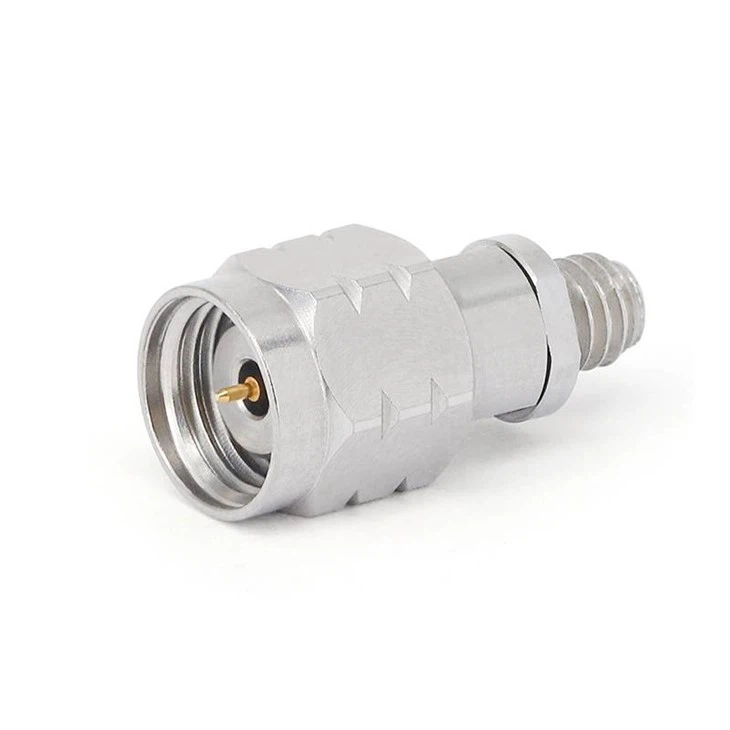
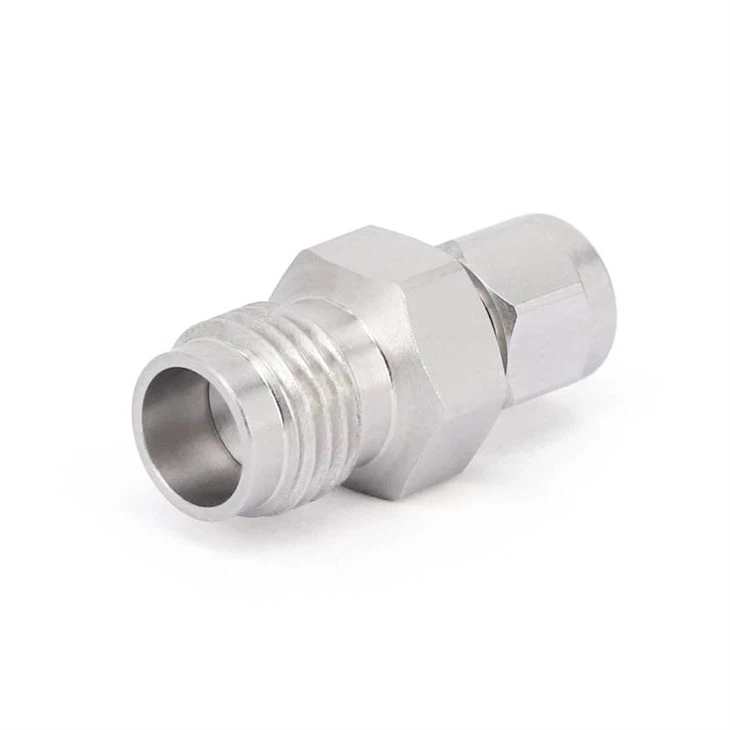
The design and dimensions of an N Adapter also play a significant role in determining its weight. For example, a straight N Adapter will generally be lighter than a right-angle adapter of the same material because it has a simpler design and fewer components. Additionally, the size of the adapter, including its length and diameter, will affect its weight. Larger adapters will naturally weigh more than smaller ones.
Connector Type and Configuration
The type of connectors used in an N Adapter can also impact its weight. Some connectors may have additional features or components that add to the overall weight. For example, an N Adapter with a threaded connector may be heavier than one with a quick-connect design. The configuration of the adapter, such as whether it is a single-channel or multi-channel adapter, can also affect its weight.
Typical Weights of N Adapters
The weight of an N Adapter can vary widely depending on the factors mentioned above. On average, a standard brass N Adapter with a straight design and a common size may weigh between 20 and 50 grams. A stainless steel adapter of the same design and size could weigh between 30 and 70 grams, while an aluminum adapter might weigh between 10 and 30 grams.
It's important to note that these are just rough estimates, and the actual weight of an N Adapter can vary depending on the specific manufacturer and model. For more accurate weight information, it's best to refer to the product specifications provided by the manufacturer.
Why the Weight of an N Adapter Matters
Aerospace Applications
In aerospace applications, weight is a critical factor. Every gram counts when it comes to designing and building aircraft and spacecraft. Using lightweight N Adapters can help reduce the overall weight of the system, which in turn can improve fuel efficiency and performance. For example, in a satellite communication system, using aluminum N Adapters instead of brass or stainless steel ones can save a significant amount of weight, allowing for more payload capacity or longer mission durations.
Portable Devices
In portable devices such as smartphones, tablets, and wireless routers, weight is also an important consideration. Consumers expect these devices to be lightweight and easy to carry. Using lightweight N Adapters can help reduce the overall weight of the device, making it more comfortable to use and carry around.
Installation and Handling
The weight of an N Adapter can also affect its installation and handling. Heavier adapters may be more difficult to install, especially in tight spaces or in applications where precision is required. Lightweight adapters, on the other hand, are easier to handle and install, which can save time and labor costs.
Comparing N Adapters with Other Types of Adapters
To better understand the weight of an N Adapter, it's helpful to compare it with other types of RF adapters. For example, the WR12 Straight Waveguide Adapter is a type of waveguide adapter used in high-frequency applications. Waveguide adapters are generally heavier than coaxial adapters like the N Adapter due to their larger size and more complex design.
Another example is the 1.0mm Adapter, which is a high-performance coaxial adapter used in microwave and millimeter-wave applications. The 1.0mm Adapter is typically smaller and lighter than the N Adapter, but it may have different weight characteristics depending on its material and design.
The GPPO Mini SMP Adapter is a compact and lightweight adapter used in applications where space is limited. It is generally lighter than the N Adapter, making it a good choice for portable devices and other applications where weight is a concern.
Conclusion
In conclusion, the weight of an N Adapter is influenced by various factors, including material composition, design, and connector type. Understanding these factors can help you choose the right N Adapter for your specific application. Whether you're working in aerospace, telecommunications, or any other industry that requires reliable RF connections, the weight of the adapter can have a significant impact on the performance and cost of your system.
If you're in the market for N Adapters or other RF components, we invite you to contact us to discuss your specific requirements. Our team of experts can help you select the right products for your application and provide you with detailed information about their weight, performance, and other specifications. We look forward to working with you to meet your RF needs.
References
- "RF Connectors and Adapters: A Comprehensive Guide" by John Doe
- "Aerospace Design and Engineering Principles" by Jane Smith
- Product specifications provided by various N Adapter manufacturers


