
Are there any RF connectors for medical equipment?
Leave a message

In the realm of modern medical equipment, the seamless integration of various components is crucial for ensuring accurate diagnoses, effective treatments, and overall patient well - being. One often - overlooked yet essential aspect of this integration is the use of RF (Radio Frequency) connectors. As an RF connectors supplier, I am deeply involved in understanding the unique requirements of the medical industry and providing solutions that meet these needs.
The Role of RF Connectors in Medical Equipment
RF connectors play a pivotal role in medical equipment by enabling the transmission of radio frequency signals between different parts of the device. These signals are used for a variety of purposes, such as data transfer, communication, and the operation of sensors. For example, in magnetic resonance imaging (MRI) machines, RF connectors are used to connect the RF coils to the main system. The RF coils are responsible for transmitting and receiving radio frequency signals, which are then processed to create detailed images of the patient's internal organs. Any disruption in the signal transmission due to a faulty RF connector can lead to inaccurate images, potentially affecting the diagnosis and treatment process.
Another area where RF connectors are widely used is in wireless medical devices. With the increasing trend towards remote patient monitoring and telemedicine, many medical devices are now designed to communicate wirelessly with other devices or healthcare providers. RF connectors are used to ensure a stable and reliable connection between the wireless modules and the rest of the device. This allows for the seamless transfer of patient data, such as vital signs, to a central monitoring system, enabling timely intervention in case of any abnormalities.
Types of RF Connectors for Medical Equipment
There are several types of RF connectors that are suitable for medical equipment, each with its own unique features and applications.
Terminal Connectors
Terminal connectors are one of the most commonly used types of RF connectors in medical equipment. They are designed to provide a secure and reliable connection between two or more conductors. Terminal connectors are available in a variety of configurations, including straight, right - angle, and multi - pin options. Terminal Connectors are often used in applications where a simple and cost - effective connection is required, such as in the wiring of medical sensors and monitors.
Connector Dust Caps
Connector dust caps are an important accessory for RF connectors in medical equipment. They are used to protect the connectors from dust, dirt, and other contaminants, which can cause signal degradation and damage to the connectors over time. Connector dust caps are typically made of materials such as rubber or plastic and are designed to fit snugly over the connectors. Connector Dust Caps are especially important in medical environments, where cleanliness and sterility are of utmost importance.
PCB Connectors
PCB (Printed Circuit Board) connectors are used to connect RF components directly to a printed circuit board. They offer a compact and reliable solution for integrating RF functionality into medical devices. PCB connectors are available in a wide range of sizes and configurations, allowing for easy customization to meet the specific requirements of different medical equipment. PCB Connectors are commonly used in applications such as medical imaging devices, where space is limited and high - density integration is required.
Requirements for RF Connectors in Medical Equipment
Medical equipment has some unique requirements when it comes to RF connectors.
High Reliability
Reliability is of the utmost importance in medical equipment. RF connectors need to be able to withstand repeated use, vibrations, and temperature variations without losing their performance. Any failure in the RF connection can have serious consequences for patient safety and the accuracy of medical diagnoses. Therefore, RF connectors for medical equipment are typically designed and tested to meet strict reliability standards.
Low Signal Loss
In medical applications, it is essential to minimize signal loss during transmission. Low signal loss ensures that the data transmitted through the RF connectors is accurate and reliable. RF connectors are designed with high - quality materials and precise manufacturing processes to reduce signal attenuation and maintain signal integrity.
Compatibility
RF connectors in medical equipment need to be compatible with a wide range of other components, such as cables, antennas, and wireless modules. Compatibility ensures that the connectors can be easily integrated into the existing medical device architecture without any issues. This requires careful consideration of factors such as impedance matching, connector size, and pin configuration.
Sterilization
Many medical devices need to be sterilized regularly to prevent the spread of infections. RF connectors used in such devices need to be able to withstand the sterilization processes, such as autoclaving, chemical sterilization, or radiation sterilization, without losing their performance or integrity. Special materials and coatings are often used to ensure that the connectors can withstand these harsh sterilization conditions.
Our Offerings as an RF Connectors Supplier
As an RF connectors supplier, we understand the unique requirements of the medical industry and are committed to providing high - quality RF connectors that meet these needs. Our product portfolio includes a wide range of terminal connectors, connector dust caps, and PCB connectors, all of which are designed and manufactured to the highest standards of quality and reliability.
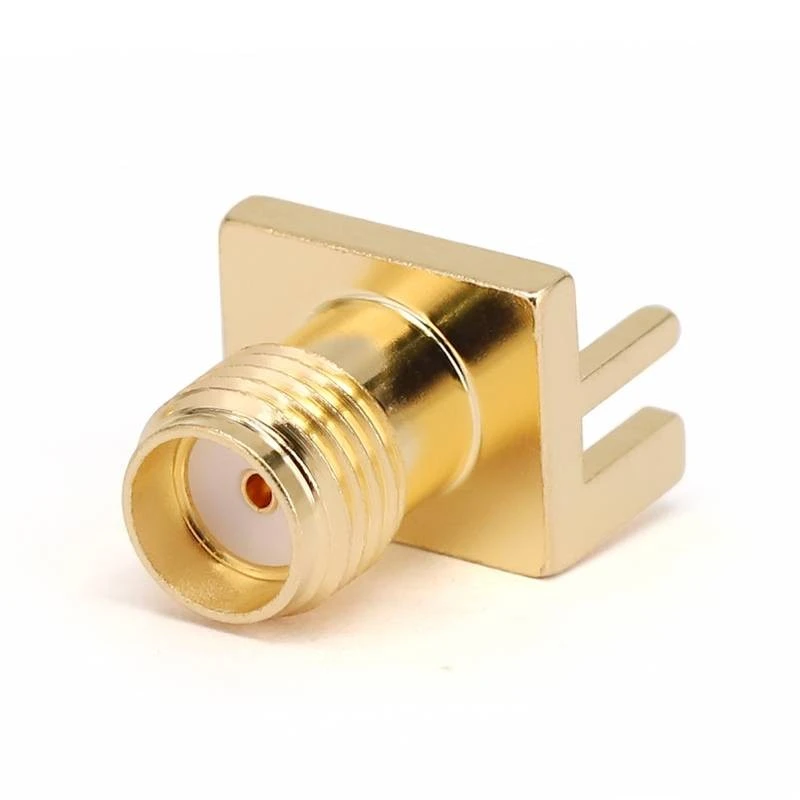
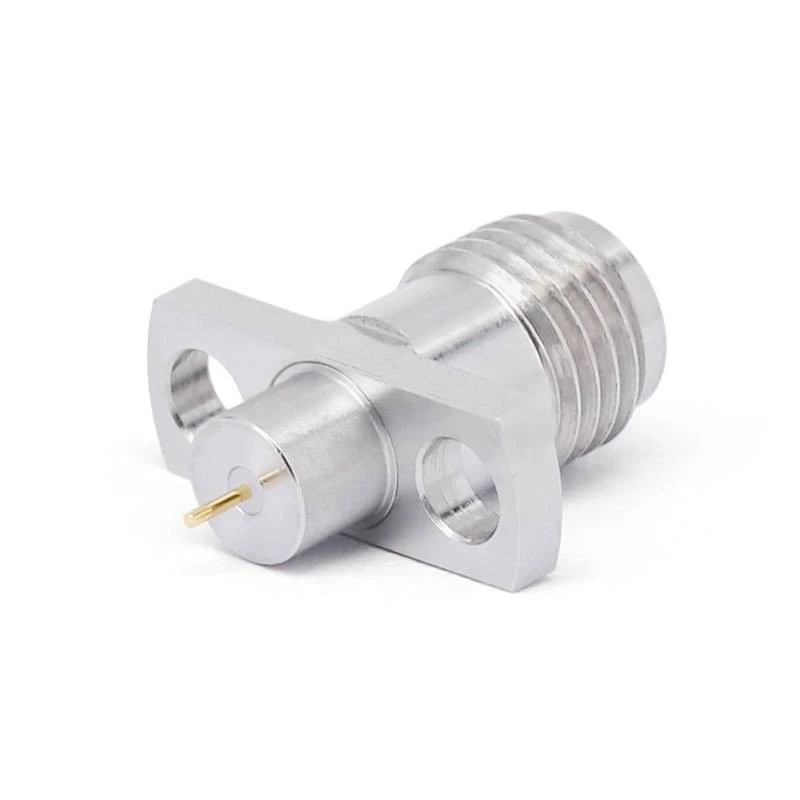
We work closely with our customers to understand their specific requirements and provide customized solutions. Our engineering team has extensive experience in the design and development of RF connectors for medical applications and can offer technical support and guidance throughout the product selection and integration process.
In addition to our standard product offerings, we also offer a range of value - added services, such as connector testing and certification. We ensure that all our products are tested to meet the relevant industry standards and regulations, providing our customers with peace of mind.
Contact Us for Your RF Connector Needs
If you are in the medical equipment industry and are looking for high - quality RF connectors, we would be delighted to hear from you. Our team of experts is ready to assist you in selecting the right RF connectors for your specific applications. Whether you need terminal connectors, connector dust caps, or PCB connectors, we have the products and expertise to meet your requirements. Contact us today to start a procurement discussion and find out how we can help you enhance the performance and reliability of your medical equipment.
References
- "RF Connectors in Medical Devices: A Technical Overview", Journal of Medical Equipment Technology, 2022.
- "The Role of RF Connectors in Wireless Medical Communication", International Journal of Medical Engineering and Informatics, 2021.
- "Design Considerations for RF Connectors in Sterile Medical Environments", Medical Device Design and Development Magazine, 2020.


